

Winter weather can produce more than snowstorms, icy roads, and freezing temperatures. In some of the coldest regions of the world, sudden drops in temperature can trigger unusual seismic events known as frost quakes.
These events are sometimes loud enough to wake people in the middle of the night, producing booming sounds that resemble explosions, gunshots, or even earthquakes.
So, what is this phenomenon?
What Is a Frost Quake?

A frost quake, also called a cryoseism, is a small seismic event caused by the rapid freezing of water-saturated ground. Unlike traditional earthquakes, frost quakes are not related to tectonic plate movement beneath Earth’s crust. Instead, they occur because of sudden and extreme weather changes.
When water trapped inside soil freezes quickly, it expands into ice. Since frozen ground and surrounding rock cannot easily stretch, pressure builds underground. Eventually, the stress becomes too great, causing the soil or rock to crack suddenly. This fracture releases energy in the form of vibrations and loud booming noises.
Although frost quakes can resemble earthquakes, they are usually much smaller and highly localized. Some are so weak that they fail to register on seismic instruments. However, nearby residents may still hear loud bangs or feel vibrations strong enough to shake walls, roads, and building foundations.
Frost quakes only occur under a very specific combination of weather conditions. Scientists explain that three main factors are usually necessary.
Saturated Ground
The soil must first contain a large amount of water. This often happens after heavy rain, melting snow, or a winter storm. Wet soil creates the conditions needed for underground ice expansion.
Rapid Temperature Drop
After the ground becomes saturated, temperatures must suddenly fall below freezing. Polar vortex outbreaks, Arctic air masses, or Alberta clippers can lower temperatures dramatically within only a few hours. This rapid cooling forces water in the soil to freeze quickly.
Little Snow Cover
Surprisingly, thick snow cover can prevent frost quakes. Snow acts as insulation, slowing the rate at which the ground freezes. Frost quakes are more likely when there is little or no snow protecting the soil from sudden cold air.
How Frost Quakes Form

The process begins when water fills small spaces within the soil after precipitation. Once temperatures plunge, the water freezes and expands.
As more water turns to ice, underground pressure increases rapidly. Frozen soil and rock layers resist this expansion because they are rigid and unable to flex. Eventually, the pressure exceeds the strength of the ground, causing it to crack.
These cracking releases seismic energy similar to a tiny earthquake. As the frozen ground suddenly breaks apart, people may hear loud booming or cracking sounds that resemble explosions.
In some cases, the vibrations can even be felt inside homes, causing windows, floors, or walls to shake briefly. Severe frost quakes may also create small cracks in roads, sidewalks, building foundations, or walls. Most frost quakes happen late at night or just before sunrise because these hours are usually the coldest part of the day, when temperatures drop most rapidly.
Although frost quakes and earthquakes may sound similar, they are actually caused by very different natural processes. Earthquakes occur deep beneath Earth’s surface when tectonic plates suddenly shift and release massive amounts of energy.
These events can affect very large regions and cause widespread destruction. Frost quakes, however, happen much closer to the surface and are completely driven by weather conditions, especially sudden freezing temperatures.
Their impact is usually limited to small local areas, sometimes only a few hundred yards wide. Scientists also explain that frost quakes are typically very short events, while earthquakes can produce longer periods of shaking.
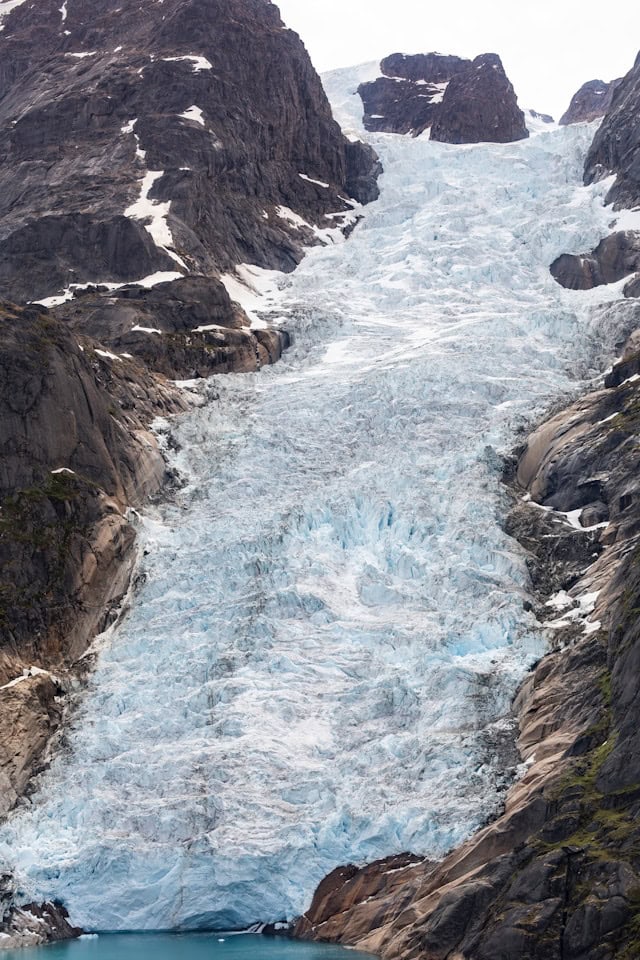
A related phenomenon known as an ice quake can also occur in frozen lakes, rivers, or glaciers. Ice quakes happen when ice rapidly expands or cracks because of sudden temperature changes. Similar to frost quakes, they can create loud cracking noises and noticeable vibrations.
People living near frozen lakes often report hearing these mysterious sounds during extremely cold weather. Researchers continue studying how factors such as soil type, frozen ground depth, and climate conditions influence both frost quakes and ice quakes.
The Common Quakes

Frost quakes are most common in regions with long, harsh winters and sudden temperature changes. They frequently occur in places such as Alaska, Canada, the northeastern United States, the American Midwest, Scandinavia, Finland, and parts of Eastern Europe, where freezing conditions are common during winter months.
During the 2019 North American cold wave, several cities in the United States reported frost quakes as temperatures dropped to nearly minus 20 degrees Fahrenheit overnight.
One notable event occurred in Tavlikangas, Finland, in 2016. The frost quake was strong enough to crack roads and damage part of a home’s basement wall. Researchers even detected the event nearly nine miles away using monitoring equipment.
Some scientists believe climate change may influence the frequency of frost quakes in certain regions. Warming temperatures can increase periods of melting followed by sudden freezing, creating the ideal conditions for these events.
For example, warmer winters may produce more rain or slushy conditions before Arctic cold air suddenly arrives. This combination can saturate the soil and then freeze it rapidly.
However, frost quakes still require extremely cold temperatures, so their future patterns may vary depending on regional climate changes.
Why We Talk About Frost Quakes

Frost quakes are important because they demonstrate how weather can directly affect the stability of the ground itself. While most cause little damage, stronger events may crack roads, sidewalks, pipelines, and building foundations.
They also highlight the growing influence of extreme weather events in cold regions. As climate conditions continue changing, scientists are paying closer attention to unusual winter phenomena like frost quakes and their broader environmental impacts.
Although many people may mistake them for earthquakes or explosions, frost quakes are actually a reminder that even frozen landscapes remain active and dynamic beneath the surface.
And although frost quakes are relatively rare and usually harmless, they reveal how extreme weather conditions can physically reshape the ground beneath us. Scientists continue studying these events to better understand their causes, impacts, and possible links to changing climate patterns.
Sources:
Leave a Reply