

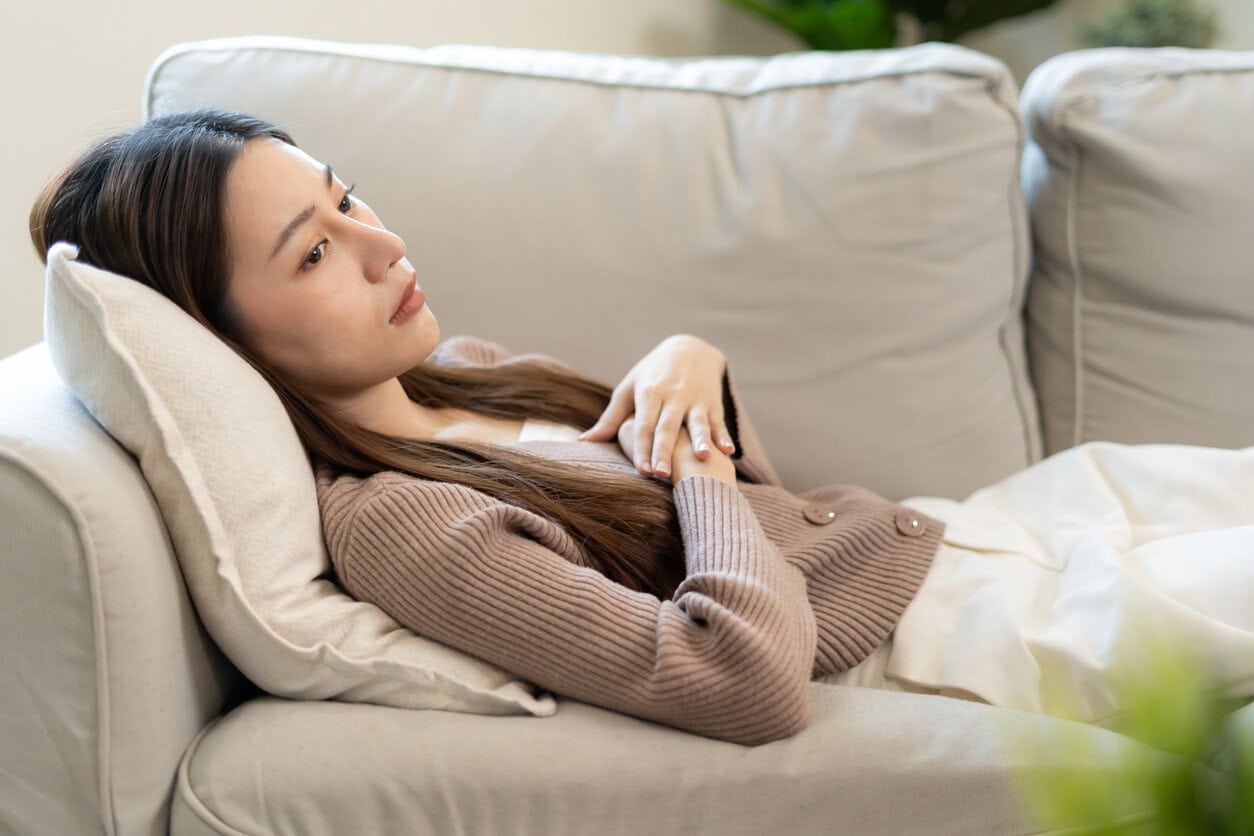
You’d think if something as common as summer heat could hurt an unborn baby, doctors would mention it during checkups, right? For many pregnant women in Hong Kong, that conversation simply never happens.
Siti is six months pregnant, living alone in a small sixth-floor apartment in Sham Shui Po. Despite months of prenatal visits at Kwong Wah Hospital, no one ever told her that heat could harm her or her baby. She wasn’t given any warning, any guidelines, anything at all.
When we think that there are already enough hardship we face today because of heat, this is another proof that a little more increase in our thermometer means something big. Let’s talk about it.
Never Reaches Who Need It

Siti isn’t alone in this silence. Out of 29 pregnant and recently pregnant women surveyed in Hong Kong, only three said a healthcare provider had ever mentioned heat as a risk, and even then, the advice was limited to drinking water and staying indoors. None were told about miscarriage, preterm birth, or stillbirth.
What makes this especially concerning is that nearly half the women surveyed didn’t even know heat could be dangerous, yet 26 of them said heat had already affected their pregnancy in some way, sometimes seriously.
The science on this is not new or uncertain. A 2020 review of 70 studies found that the risk of preterm birth can rise by as much as 16 percent during heatwaves.
Other research links heat exposure during pregnancy to miscarriage, low birth weight, stillbirth, and pregnancy complications like pre-eclampsia. In Hong Kong specifically, hot nights have increased roughly 35-fold over the past century, and extremely hot days have risen about sixfold.
According to Professor David Bishai of the University of Hong Kong’s School of Public Health, preterm birth risk climbs once temperatures pass around 25C, and keeps rising as heat intensifies.
As he put it, pregnant women are essentially a missing population that nobody is actively reaching out to inform.
Even Doctors Admit

This isn’t a case of doctors withholding information on purpose. Many specialists say the issue simply hasn’t made its way into standard medical training or public health guidance yet.
Wing-Hung Tam, an obstetrics and gynecology professor at the Chinese University of Hong Kong, explained that medical training covers fever, hot springs, and saunas, but rarely addresses heat stress from everyday ambient temperature.
He stressed that the risk starts from very early in pregnancy, and the effects can show up much later.
Obstetrician Zara Chan from OT&P clinic said a rise in a pregnant woman’s core body temperature can cause harm to the baby, sometimes leading to birth defects early on or preterm labor later.
She tells her patients to stay hydrated, stay in well-ventilated spaces, and watch for warning signs like dizziness or fainting. But she admitted this conversation mostly happens in private healthcare settings, meaning many women simply never hear it at all.
The women surveyed described real, frightening experiences. One passed out twice just walking to catch a bus during her first trimester. Another said she thought she was close to heat stroke more than once.
Several described swelling, fatigue, rapid heartbeat, and repeated fainting spells, all without ever being warned this could happen.
The Gap

When asked why heat isn’t included in prenatal health materials, Hong Kong’s Department of Health said it already warns vulnerable groups through general public campaigns, but it did not address whether pregnancy-specific information on miscarriage or preterm birth risk would be added.
This gap matters because it leaves many women believing the worst case scenario is simply heatstroke, when the real risks include much more serious outcomes like pregnancy loss.
The Hospital Authority, which handles most births in the city, said it had no local data to share and did not respond to questions about whether it tracks preterm births during extreme heat warnings.
The situation is even harder for migrant domestic workers, asylum seekers, and women living in poverty, who often face the greatest heat exposure with the least ability to cope.
Marcella King, a senior healthcare manager at the NGO Pathfinders, said heat isn’t even a standard question in her clinical assessments, though patients frequently mention it unprompted on the hottest days.
Many of these women live in crowded apartments with limited access to cooling, and those still employed as domestic workers often aren’t allowed to control the air conditioning in their own homes.
Hong Kong’s labor laws don’t currently classify domestic workers under standard occupational safety protections, which means pregnant workers have no formal right to refuse heat-exposed duties.
Actually Fix This

Elsewhere in the world, this issue is being taken more seriously. More than 140 countries now have heat-health action plans, and some, including the US, issue specific guidance for pregnant women.
This month, the American College of Obstetricians and Gynaecologists formally linked climate-driven heat to preterm birth, pre-eclampsia, and pregnancy loss.
But across most of Asia, heat-specific guidance for pregnant women remains rare. Tam believes what’s really needed isn’t just a pamphlet, but actual legal protection, especially for women working outdoors before they’ve disclosed their pregnancy.
Right now, heat-stress guidelines for workers in Hong Kong are only voluntary. Bishai believes the message needs to reach women wherever they already are, during prenatal visits, in community health classes, even through everyday conversations with family.
As he put it, the usual superstitions handed to pregnant women need to be replaced with real, evidence-based advice about avoiding prolonged heat exposure.
Back in Sham Shui Po, Siti’s electricity bill climbs to nearly US$89 during the hottest months, money she covers using savings and support from her family’s fish farm thousands of kilometers away in Indonesia.
When asked how she’d want to learn about heat risks, her answer was simple. She just wanted to hear it directly from a doctor or nurse, during an actual appointment.
Sources,
Leave a Reply