

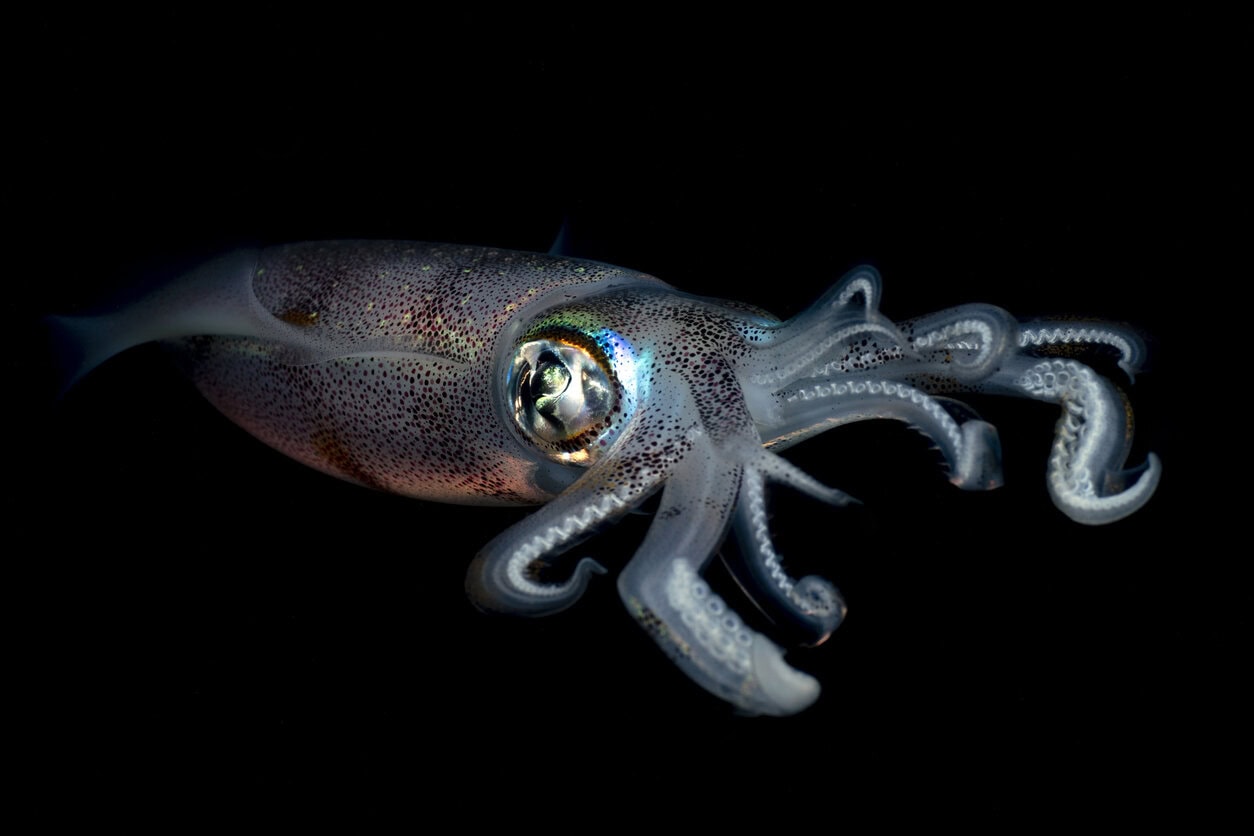
Something strange is happening beneath the waves, and scientists only noticed it after decades of watching the numbers closely. Squid populations around the world have been quietly booming, even while other sea creatures keep struggling to survive in the same waters.
At first that might sound like good news for the ocean. But the real explanation behind this squid surge turns out to be way more complicated than simply “climate change made more squid appear.”
So, what should we expect from this finding? Does it tell us that the world is changing into an unexpected turn or does it mean that we are facing another consequence from climate change? Let’s find out more about this in this article.
A Boom That Doesn’t Add Up
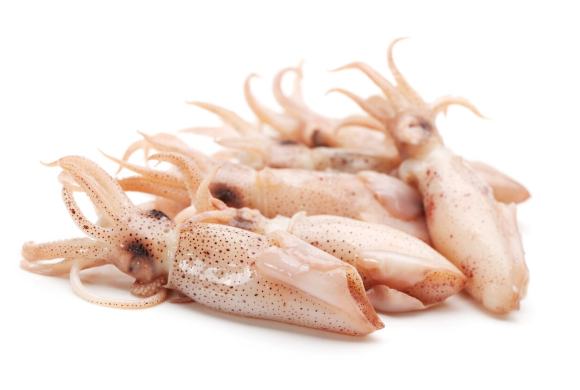
Back in 2016, a team from the University of Adelaide looked at six decades worth of data. They found cephalopod populations, squid included, had been steadily rising across the globe over that entire period.
What made this really interesting is that the increase happened everywhere, not just in places with active fishing industries. That detail basically ruled out the simple explanation that fishing alone caused the boom.
So researchers proposed two possible theories instead. One idea was that overfishing wiped out squid’s natural predators, giving squid more room to thrive without anything actively hunting them down anymore.
The other theory pointed toward rising ocean temperatures caused by climate change, since warmer water might somehow favor squid growth and reproduction rates overall.
According to marine biologist Rémy Denéchère and his team, though, these explanations were mostly speculation. Nobody had actually tested whether either theory held up under real scrutiny.
That’s exactly what Denéchère’s team decided to test. Using computer models, they simulated how squid and other fish would respond to fewer predators and warmer waters.
What The Numbers Revealed
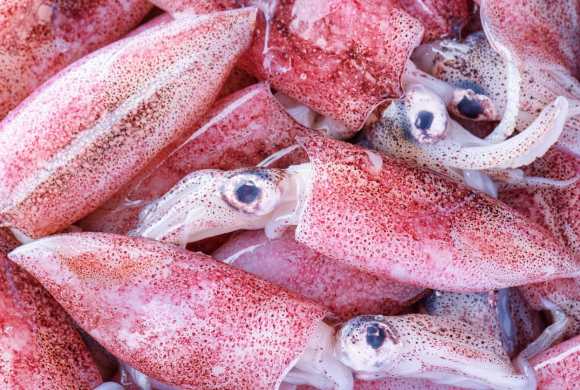
When predators were removed from the model, squid numbers did rise, just like the earlier theory predicted they would. But that increase wasn’t nearly enough to make up for it.
Here’s the twist. The rise in squid didn’t compensate for the massive drop in predator biomass overall. Squid weren’t stepping in to fill that empty space left behind at all.
Interestingly, fewer predators still helped squid indirectly in one way. With less competition around, more small fish were left over for hungry squid to eat and grow on. Squid can eat up to 30 percent of their body weight every single day just to keep up with their rapid growth. Basically, squid are eating machines built for pure opportunity.
Now here’s the bigger surprise. Warmer water, the thing everyone assumed was helping squid multiply, actually reduced squid biomass inside the model instead of boosting it.
Researchers think this happens because squid in warmer conditions burn more energy searching for food that isn’t necessarily any more available than before the warming started. It’s kind of like running on a treadmill that keeps speeding up while the snack bar stays just as empty as it always was.
Built For Chaos

If temperature and predators alone can’t explain the boom, then what actually can? Researchers say the real advantage squid have is their flexibility and their fast, short life cycle. Squid grow up to five times faster than regular fish and usually only live for one or two years total before dying off completely.
That might sound like a short, sad life, but it actually makes squid incredibly good at bouncing back quickly whenever an ecosystem suddenly gets disrupted somehow. Think of squid as the opportunists of the ocean world, kind of like how certain plants are the first to regrow after a wildfire clears everything out.
Whenever an ecosystem gets shaken up, whether from overfishing, climate change, or both together, squid are ready to swoop in fast and use whatever resources remain.
Over the past century, disturbances like this haven’t exactly been rare occurrences. Heat waves keep hitting oceans more frequently than before, and that keeps disrupting things further.
Bottom trawling has also completely rearranged seafloor habitats, while overfishing has thrown entire food webs badly out of balance across many regions worldwide. All of that chaos has basically given squid the perfect opening to expand. As Denéchère’s team put it, squid simply respond faster to disturbance than most species.
Can’t Save The Ocean

Here’s the part that really matters for the rest of us. Even though squid are impressively adaptable, their success clearly has limits attached to it.
If squid growth ultimately depends on available resources, then oceans that keep warming and getting overfished probably aren’t sustainable habitat for squid in the long run either.
Researchers pointed to a real example involving a strong El Niño and La Niña cycle off southern California’s coast a few years back. During that period, reduced food availability actually cancelled out any growth boost squid were getting from the warmer temperatures around them.
In other words, heat alone can’t keep squid thriving if there’s nothing left in the water for them to eat. That raises a bigger, more uncertain question for the future. Nobody fully knows yet whether squid can meet rising energy demands as ocean temperatures keep climbing.
If warming eventually outpaces the available food supply, squid populations could stop growing too, even despite all their natural advantages built in.
So squid might look like the ocean’s ultimate survivor right now, quick to adapt and quick to grow wherever chaos opens a door. But their success story comes with a warning attached to it. They’re thriving in disruption, not despite it, and that’s not something worth celebrating.
If the resources squid depend on eventually runs out too, even the ocean’s best opportunists might finally run out of luck completely.
Sources,
Leave a Reply