

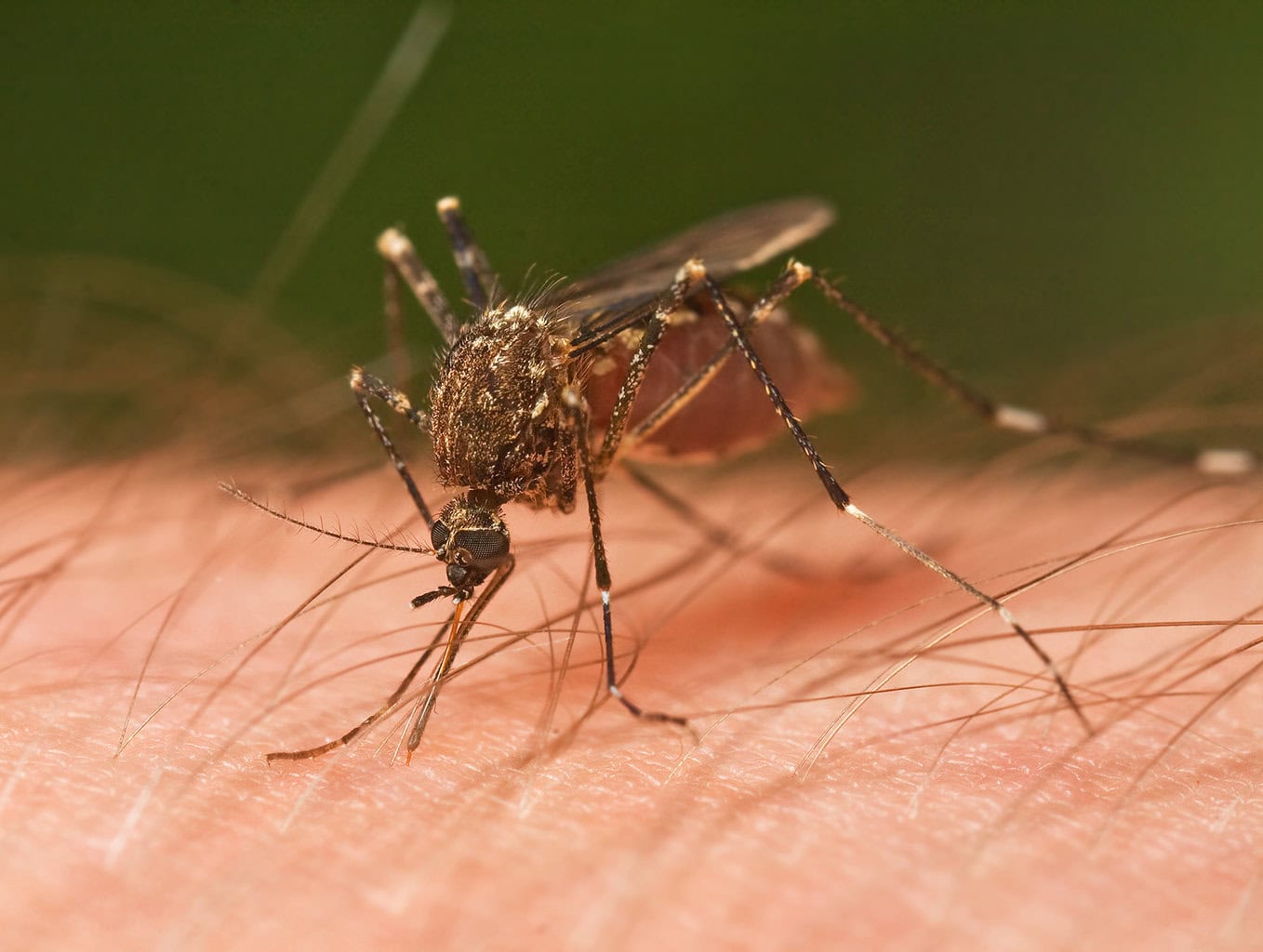
“Turn your lights down low, and pull the window curtains.” What a beautiful start for a beautiful song by Bob Marley. In the song, he talked about love and God, but that phrase may feel different for some people in Africa who are fighting mosquito.
Mosquitoes are huge problem in many parts of the continent, and recently a study found that light pollution makes things even worse. How can light pollution contribute to worse mosquito problem in Africa?
Here in this article we are going to talk about it.
Pollution, but Lights
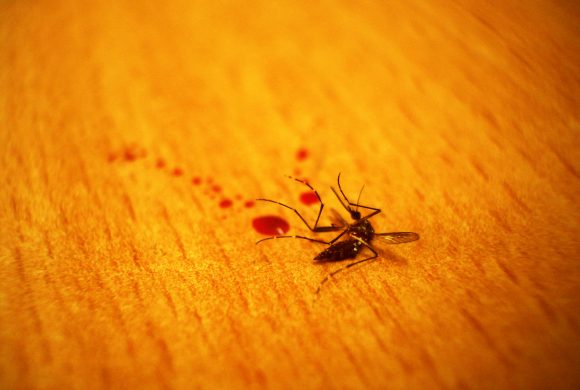
Light pollution is when there is too much artificial light in the environment. It happens when there are too many lights shining at night, like street lights or bright signs. This excessive light can affect the behavior of mosquitoes, which are those annoying insects that bite people and spread diseases.
Normally, mosquitoes have their own natural patterns of behavior. They know when to come out and bite people, and when to rest or lay eggs. However, when there is a lot of artificial light around, it confuses them. They get mixed up and don’t know when they should be active or inactive.
This confusion can make the mosquitoes bite people for a longer time. Instead of just biting during a specific season, they might start biting earlier and continue biting for a longer period. This is not good because it gives them more opportunities to spread diseases, like the West Nile virus.
The West Nile virus is a serious illness that can make people very sick. It can cause symptoms such as fever and problems with the nervous system. Sometimes, in the worst case scenario, it can even lead to death.
So, in summary, too much artificial light at night can disturb the natural behavior of mosquitoes. It can make them bite people for a longer time, which increases the risk of diseases like the West Nile virus. It’s important to find ways to reduce light pollution to protect ourselves from these health risks.
Longer Mosquito Biting Time
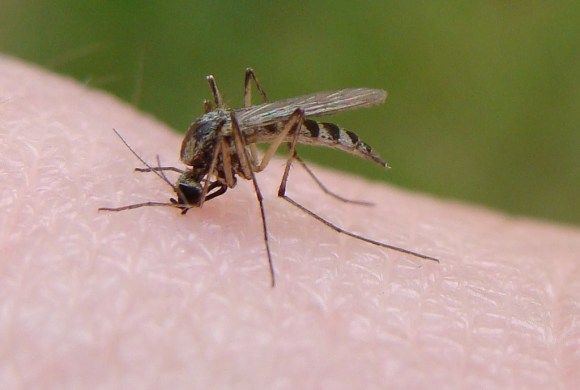
When mosquitoes have a longer time to bite people, it means that they have more chances to spread diseases like the West Nile virus. This virus is not a good thing at all. It can make people very sick and cause problems with their bodies.
Imagine if mosquitoes were only active and biting for a short period, like a few weeks. During that time, they could infect a few people with the West Nile virus. But if the biting season becomes longer because of light pollution, it means that mosquitoes have more time to bite and infect people. This increases the risk of more people getting sick.
The West Nile virus can cause symptoms like fever, body aches, and sometimes even problems with the brain and nervous system. It’s not something you want to get. Some people might even die from it, although that’s rare.
So, the longer the biting season for mosquitoes, the more chances they have to spread the West Nile virus to people. That’s why it’s important to be aware of the connection between light pollution and mosquito behavior. By reducing light pollution, we can help decrease the risk of getting sick from diseases like the West Nile virus.
Mosquito-Borne Diseases Affecting Our Health

Another thing that you need to understand is that light pollution may also affect our health directly. Studies found that light pollution may lead to higher stress level, disruption in our natural body clock, and even depression.
Light pollution doesn’t just affect our health but also has consequences for the environment. Mosquitoes are part of a complex ecosystem, which means they interact with other plants and animals. When their behavior is disrupted by light pollution, it can cause a ripple effect throughout the ecosystem.
You see, mosquitoes serve as a source of food for many other creatures like birds, bats, and fish. These animals rely on mosquitoes to survive. If the mosquitoes’ population and behavior change due to prolonged biting seasons caused by light pollution, it can disrupt the food chain. This means that the animals that depend on mosquitoes may not have enough to eat, and their populations could decline.
Additionally, mosquitoes also play a role in pollination, which is the process of transferring pollen between plants. Certain species of mosquitoes help pollinate flowers, enabling the growth of plants and the production of fruits and seeds. When their behavior is disrupted, it can impact the pollination process and have negative effects on plant populations.
Reducing light pollution can help preserve the delicate balance of nature and safeguard the interconnected web of life. We should also understand that reducing light pollution means we also reduce our energy consumption, right?
Addressing the Issue

To address the issue of light pollution and its impact on mosquito behavior, several strategies can be implemented to mitigate the risks. Firstly, raising public awareness about the harmful effects of light pollution and its connection to mosquito behavior is crucial. By informing individuals, communities, and businesses about the issue, we can encourage them to adopt practices that reduce light pollution.
Additionally, implementing policies that regulate outdoor lighting can play a significant role. These policies can establish guidelines for the proper use of lighting, such as directing and focusing lights downward to minimize unnecessary light exposure. By containing the illumination to where it is needed, we can reduce light pollution and its disruptive effects on mosquito behavior.
Furthermore, using LED lights with specific wavelengths that are less attractive to mosquitoes can be a viable solution. LED lights can be selected to emit light in a way that minimizes mosquito attraction while still providing adequate visibility for human needs. This helps create environments that are less appealing to mosquitoes and reduces the risks associated with extended mosquito biting seasons.
By combining these approaches, including awareness campaigns, policy implementation, and the use of mosquito-resistant LED lighting, we can make significant progress in mitigating the risks of extended mosquito biting seasons caused by light pollution.
These efforts are essential to protect ourselves from mosquito-borne diseases like the West Nile virus and to preserve the delicate balance of ecosystems affected by mosquito behavior.
Sources:
Leave a Reply