


The critical state of global forests, with almost half of the 6 trillion trees lost, demands swift action. Beyond biodiversity loss, the economic threat looms at over $44 trillion, roughly half of the global GDP.
Urgent global collaboration is crucial, from businesses investing in trees to local and global initiatives safeguarding ecosystems. Individual actions, from setting emissions targets to participating in innovation challenges, amplify the collective effort towards conserving, restoring, and growing 1 trillion trees.
Is that even possible? Well, pretty much it is. Let’s talk more about it.
Critical State of Global Forests

The world’s forests, guardians of ecological balance, face a perilous state demanding immediate attention. With the loss of nearly half of the 6 trillion trees that once graced our planet before the dawn of agriculture, the consequences reverberate across ecosystems.
The ongoing degradation not only endangers biodiversity but also places a significant economic burden, with over $44 trillion, equivalent to roughly half of the global GDP, standing on the precipice of potential jeopardy due to nature loss.
Forests play a multifaceted role in sustaining life on Earth. Beyond their aesthetic beauty, they act as critical carbon sinks, regulating global temperatures and supporting freshwater flows. The degradation of these invaluable ecosystems disrupts the delicate balance of our planet, diminishing the productivity of soils and natural carbon sinks.
The consequences extend to reduced access to clean water and heightened vulnerability to extreme weather events. In the face of this crisis, urgent and concerted action is imperative. The alarming rate of tree loss, approximately 15 billion annually, necessitates a global response.
Businesses, governments, and communities must collaborate to implement effective conservation and restoration strategies. The interconnectedness of the global economy underscores the shared responsibility to address this challenge.
This environmental crisis demands a holistic approach that goes beyond borders and affiliations, focusing on the universal importance of preserving our forests for the well-being of the planet and future generations.
Corporate Efforts in Forest Conservation
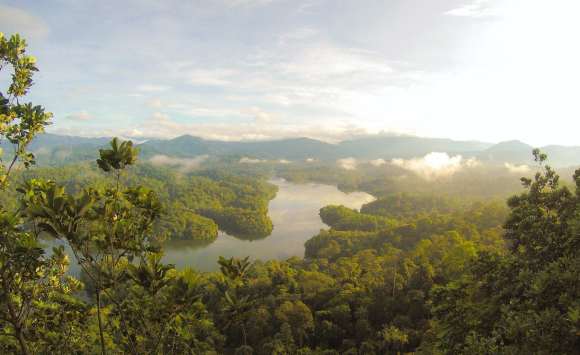
In the face of the critical state of global forests, a notable response is emerging from the corporate sector. Over 100 companies worldwide have taken proactive steps to invest in trees, committing to conserve, restore, and grow over 12 billion trees across 100 countries.
This collaborative effort extends beyond specific sectors, with companies from diverse industries such as mining and automotive manufacturing actively participating in actions that contribute to forest conservation and restoration.
These corporate initiatives are not mere gestures; they represent a tangible commitment to addressing the environmental challenges posed by deforestation and degradation. By pledging to conserve, restore, and grow trees, companies recognize the integral role that forests play in maintaining ecological balance and supporting biodiversity.
Moreover, these commitments signal a growing awareness within the corporate world of the need to adopt sustainable practices that align with broader environmental goals. Crucially, these efforts are not confined to any single platform or initiative.
The corporate sector’s engagement in forest conservation is independent of promotion from specific forums or organizations, reflecting a broader trend of environmental consciousness permeating the business landscape. Companies understand the interconnectedness of environmental health and business sustainability, acknowledging that thriving ecosystems are essential for long-term economic viability.
As the corporate world steps up to contribute to forest conservation, it exemplifies a global endeavor that transcends sectoral boundaries. This collective commitment demonstrates the potential for businesses to be drivers of positive environmental change, aligning profit motives with responsible and sustainable practices.
Local and Global Initiatives for Impact

Amidst the critical state of global forests, initiatives are taking root, both locally and globally, to safeguard these vital ecosystems. Priority regions such as the United States, Mexico, African Union, Canada, China, and the Amazon Basin have become focal points for collaborative efforts between subnational governments, nonprofits, and businesses.
The shared goal is to protect and restore forests, emphasizing the significance of these ecosystems in the broader context of the UN Decade on Ecosystem Restoration. In the United States, the 1t.org US Chapter, launched in August 2020, stands as a testament to the power of collaboration.
Subnational governments and US-based non-profit entities have pledged over 50 billion trees by 2030, showcasing the impact achievable when various stakeholders unite for a common cause. Working groups focusing on forest carbon, US policy, and urban forestry highlight the diverse approaches needed to address the multifaceted challenges posed by deforestation.
Beyond the Americas, the 1t.org India Platform, launched in March 2022, supports India’s commitment under the Paris Agreement to restore 26 million hectares of deforested and degraded land by 2030.
Meanwhile, China, in collaboration with the World Economic Forum and China Green Foundation, announced a plan to plant and conserve 70 billion trees by 2030, showcasing the global nature of these conservation initiatives.
These initiatives are not centered around the promotion of specific organizations but rather emphasize the urgency of local and global collaboration in addressing the forest crisis. The interconnected efforts underscore a shared commitment to nurturing ecosystems, supporting biodiversity, and fostering a sustainable future.
A Call to Preserve Our Planet

As the critical state of global forests demands urgent attention, the responsibility to address this environmental crisis extends beyond corporate and governmental efforts to the individual level. The call to action is clear: individuals play a crucial role in preserving our planet’s invaluable ecosystems.
The urgency of the forest crisis requires collaborative efforts and partnerships at all levels. While corporate initiatives and governmental policies are essential, individual actions amplify the collective impact. Setting emissions reduction targets becomes not just a corporate endeavor but a shared responsibility of each person, reflecting a commitment to sustainable practices.
Participation in innovation challenges through platforms like UpLink offers individuals the opportunity to contribute to solutions addressing the natural world’s challenges. By proposing and supporting innovative ideas, individuals become active contributors to the broader cause of environmental preservation. These challenges cover a spectrum of issues, from Trillion Trees to Carbon Market Challenges, encouraging a diverse range of solutions.
The emphasis here is on fostering a sense of individual and collective responsibility without promoting specific forums or organizations. The global goal to conserve, restore, and grow 1 trillion trees is ambitious, but the achievable aspect lies in the collective efforts of individuals worldwide.
Leave a Reply