


The Atlantic Ocean’s Gulf Stream, called the Atlantic Meridional Overturning Circulation (AMOC), moves warm water from the tropics to the North Atlantic, helps balance Earth’s climate. A 2021 study says it’s at its weakest in 1,600 years due to warming from human activities like burning coal.
This slowdown could worsen climate change, which causes extreme weather or rising seas. Scientists worried about its future but sees ways to help.
Let’s talk further about what the AMOC is, why it’s slows, its climate effects, and how to protect it.
What Is the AMOC and How Does It Work?
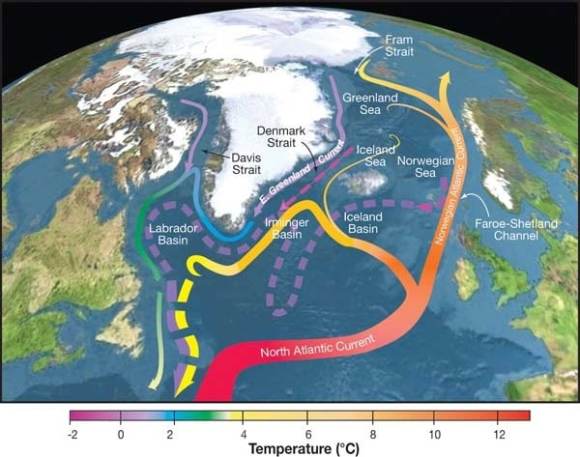
The AMOC is a giant ocean current system, like a river in the sea, moves warm water north and cold water south. It’s part of the great ocean conveyor belt driven by differences in water temperature and saltiness.
Warm water from the tropics flows to the North Atlantic, cools as it goes. It is like when a warm stream keeps beaches cozy in winter. This cooled water sinks and flows back south, mixes the ocean and spreads heat around the world.
This mixes Earth’s climate balanced. Without the AMOC, places near the equator would be much hotter, and polar areas would freeze more. Imagine summer in Florida feels like a desert, or Greenland stays icy year-round.
The AMOC also helps oceans absorb carbon dioxide, reduces greenhouse gases. In 2023, satellites showed the AMOC carries heat equal to a million power plants, warms Europe’s winters and makes countries like Norway livable despite their northern location.
The AMOC affects weather far beyond the Atlantic. For example, it brings rain to Africa’s Sahel region, helps farmers grow crops like millet. It is like when a village depends on this rain for food. In 2022, scientists found the AMOC influences monsoon rains in India, supports rice fields.
By moves heat and water, the AMOC keeps climates stable, but its slowdown threatens this balance, makes it vital to understand and protect this ocean system.
Why Is IT Slowing Down?

The AMOC is slows because global warming melts ice, adds fresh water to the ocean. Fresh water from Greenland’s ice sheet, which lost 5,100 billion tons in 20 years, makes the North Atlantic less salty.
Imagine pouring fresh water into a salty soup, changes its taste. Salty water sinks to drive the AMOC, but fresher water floats, slows the current. A 2021 study says the AMOC is 15% weaker than 50 years ago.
Human activities, like burns fossil fuels, causes warming that melts ice faster. In 2023, global temperatures hit record highs, speeds up Arctic melts. Imagine icebergs breaks off Greenland, dilutes the ocean.
Carbon dioxide from cars and factories traps heat, warms the planet. The AMOC could weaken by 34-45% by 2100 if emissions continue, risks a “breaking point” where it becomes unstable. This slowdown reduces the ocean’s ability to absorb carbon, worsens climate change.
Other factors add to the problem. In 2024, heavy rains from warmer air added more fresh water to the Atlantic. Imagine rivers pours into the sea, makes it less salty. Pollution, like plastic waste, harms ocean ecosystems that supports currents.
In the Caribbean, plastic clogged coastal waters in 2023, affects marine life. These changes show how human actions weakens the AMOC, threatens the climate balance it helps maintain across the globe.
What Are the Effects of an AMOC Slowdown?
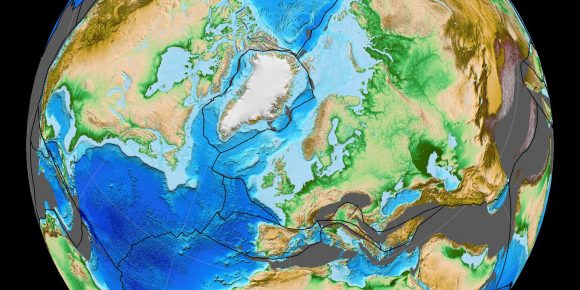
A slower AMOC could cause extreme weather. In Europe, it may cool temperatures by 5-10 degrees Celsius, makes winters harsher. Imagine London covered in snow all year, like a frozen city. In 2022, Europe saw more winter storms, linked to AMOC changes.
North America’s East Coast could face higher sea levels, floods cities like New York. Imagine waves covers streets, closes shops. These changes disrupt lives and costs billions to fix.
Africa and Asia could see less rain. The Sahel region might face droughts, dries up farms. Imagine a farmer in Chad watches crops fail, unable to feed his family. In 2023, weaker monsoons in India, tied to AMOC changes, reduced rice harvests, raises food prices.
The AMOC slowdown also traps more carbon dioxide in the air, warms the planet faster. In 2024, global heatwaves worsened, shows how a weaker AMOC amplifies climate problems worldwide.
A complete AMOC stop is unlikely, but a slowdown harms ecosystems. Fish that rely on warm currents, like cod in the North Atlantic, could vanish, hurts fishers. Imagine boats returns empty in Iceland.
Coral reefs, needs stable temperatures, may die, as seen in Florida in 2023. These effects ripples across food chains, threatens animals and people. The AMOC’s role in climate stability makes its slowdown a serious warning for Earth’s future.
How Can We Protect the AMOC?
To protect the AMOC, people must cut greenhouse gas emissions. Using clean energy, like solar and wind, reduces warming that melts ice. In 2023, Germany’s wind farms powered 50% of homes, cuts coal use.
It is like when turbines spins on hills, keeps oceans salty. The Paris Agreement pushes countries to lower emissions. By 2030, the U.S. aims for 35% renewable energy, up from 21%, helps slow ice melt and strengthens the AMOC.
A natural help comes from the Indian Ocean. Its warming increases rain, pulls water from the Atlantic, makes it saltier. It is like when rainclouds over India helps ocean currents far away. In 2022, this process boosted AMOC strength slightly.
However, Pacific warming could cancel this effect. Scientists use models to track currents, but more ocean sensors, like those off Norway in 2024, are needed to measure AMOC changes and predict its future accurately.
People can also help by reduces pollution and waste. In 2023, Canada banned single-use plastics, keeps oceans cleaner. Imagine beaches free of plastic bottles, supports marine life.
Sustainable farming, like uses less fertilizer in Brazil, cuts runoff that harms ocean salinity. In 2024, electric cars in China reduced emissions by 10%. By works together, governments and communities can protect the AMOC, which ensures it keeps Earth’s climate balanced for everyone.
Sources:
Leave a Reply