


The worldwide climate is experiencing extraordinary warming trends, with March 2024 marking the tenth consecutive month of unusual temperatures.
According to data from the European Union climate agency Copernicus, the global air temperature for March was 0.73°C above the 1991-2020 average, surpassing the previous high set in March 2016 by 0.10°C.
This prolonged sequence of unusual temperatures is a cause for concern as it indicates a sustained trend of increasing global temperatures.
So, what’s the concern? Here, in this article we are going to talk about it.
Global Warming Trends
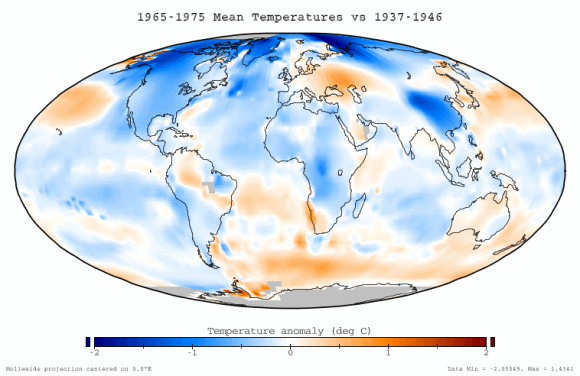
Samantha Burgess, deputy director of Copernicus Climate Service (C3S), emphasized the significance of this trend, stating that it continues the sequence of climate records toppling for both air temperature and ocean surface temperatures.
“March 2024 continues the sequence of climate records toppling for both air temperature and ocean surface temperatures,” she said.
The implications of these rising temperatures are far-reaching and underscore the urgent need for action to combat climate change. The continuous warming of the planet is attributed to the accumulation of greenhouse gases in the atmosphere, primarily from human activities such as burning fossil fuels and deforestation.
These gases trap heat in the Earth’s atmosphere, leading to a rise in global temperatures and contributing to climate disruptions such as extreme weather events, rising sea levels, and habitat loss. To address this pressing issue, climate scientists and experts are calling for rapid reductions in greenhouse gas emissions.
The current trajectory of warming poses significant risks to ecosystems, biodiversity, and human societies worldwide. It is imperative for governments, industries, and individuals to prioritize climate action and implement measures to mitigate further temperature increases.
This includes transitioning to renewable energy sources, promoting energy efficiency, conserving natural habitats, and adopting sustainable practices across sectors. By taking decisive action now, we can work towards stabilizing the climate and safeguarding the planet for future generations.
Record Oceanic Warmth in March

The rising global temperatures are not limited to the air but also extend to the world’s oceans, with March 2024 recording the highest monthly average sea surface temperature on record. Copernicus Climate Change Service (C3S) data indicates that global sea surface temperatures averaged 21.07°C in March, slightly surpassing the previous month’s record of 21.06°C.
This increase in ocean temperatures is concerning as it has profound implications for marine ecosystems and coastal communities. The warming of the oceans can disrupt marine ecosystems, affecting the distribution and abundance of marine species, including fish, corals, and marine mammals.
It can also lead to the bleaching of coral reefs, a phenomenon where corals expel the algae living in their tissues, turning them white and making them more susceptible to disease and death. Additionally, warmer oceans can intensify extreme weather events such as hurricanes and typhoons, leading to increased storm surges, flooding, and coastal erosion.
While fluctuations in natural phenomena like El Niño can influence ocean temperatures, the overarching driver of ocean warming is the accumulation of greenhouse gases in the atmosphere. These gases not only trap heat in the air but also absorb heat energy, leading to the warming of the oceans over time.
The unusual ocean temperatures underscore the urgency of addressing climate change and reducing greenhouse gas emissions. Without immediate and concerted efforts to curb emissions and transition to renewable energy sources, the warming of the oceans will continue, with potentially catastrophic consequences for marine life and coastal communities around the world.
“While El Niño adds and subtracts – depending on the phase you’re in – from the global mean temperature, you have something that keeps adding. And that’s the greenhouse gases,” said C3S Director Carlo Buentempo.
Europe’s Climatic Anomalies in March

Comparing March temperatures in Europe to global trends reveals significant insights into regional climate patterns. March 2024 was the second warmest March on record for Europe, with the average temperature on the continent reaching 2.12°C above the 1991-2020 average.
This temperature anomaly was only marginally cooler than the record set in March 2014. The impact of these warmer temperatures was not uniform across Europe. Central and eastern regions experienced the greatest temperature increases, while western Europe saw above-average rainfall, particularly in southern France and the Iberian Peninsula.
Conversely, northwestern Norway experienced below-average rainfall, contributing to drier conditions in that region. These regional variations in temperature and precipitation highlight the complex nature of climate change and its effects on different parts of the world.
While some regions may experience higher temperatures and increased rainfall, others may face droughts and water scarcity, leading to challenges for agriculture, water resources, and ecosystems. The unusual warmth in Europe underscores the need for adaptation measures to mitigate the impacts of climate change.
This includes investments in infrastructure to manage extreme weather events, the development of drought-resistant crops, and policies to promote water conservation and sustainable land management practices.
As global temperatures continue to rise, it is essential for policymakers, businesses, and communities to work together to address the challenges posed by climate change and build resilience to its impacts. By taking proactive measures to adapt to changing climate conditions, Europe can better prepare for the challenges ahead and safeguard the well-being of its citizens and ecosystems.
Mitigating Escalating Temperatures

The continuous rise in global temperatures, as evidenced by the unusual trends observed in March 2024, requires urgent action to mitigate further climate change impacts. Copernicus Climate Change Service (C3S) data indicates that the 12-month average global temperature exceeded 1.5°C above pre-industrial levels, reaching 1.58°C.
This surpasses the critical threshold set by the Paris Agreement and underscores the need for rapid reductions in greenhouse gas emissions. “The global average temperature is the highest on record, with the past 12 months being 1.58°C above pre-industrial levels.
Stopping further warming requires rapid reductions in greenhouse gas emissions,” Samantha said. The breach of the 1.5°C threshold carries significant implications for the environment, ecosystems, and human societies.
It worsens the frequency and intensity of extreme weather events, including heatwaves, droughts, and storms, leading to adverse impacts on agriculture, water resources, and public health. Moreover, it accelerates the loss of biodiversity, threatens food security, and worsens social inequalities, disproportionately affecting vulnerable communities and future generations.
To prevent further warming and limit the adverse impacts of climate change, concerted efforts are required at the global, national, and local levels. This includes transitioning to renewable energy sources, increasing energy efficiency, enhancing carbon sequestration through reforestation and afforestation, and implementing sustainable land use and transportation policies.
Furthermore, adaptation measures must be prioritized to build resilience to climate change impacts, particularly in vulnerable regions and communities. This includes investments in infrastructure, early warning systems, and ecosystem-based approaches to reduce risks and enhance adaptive capacity.
Sources:
Leave a Reply