

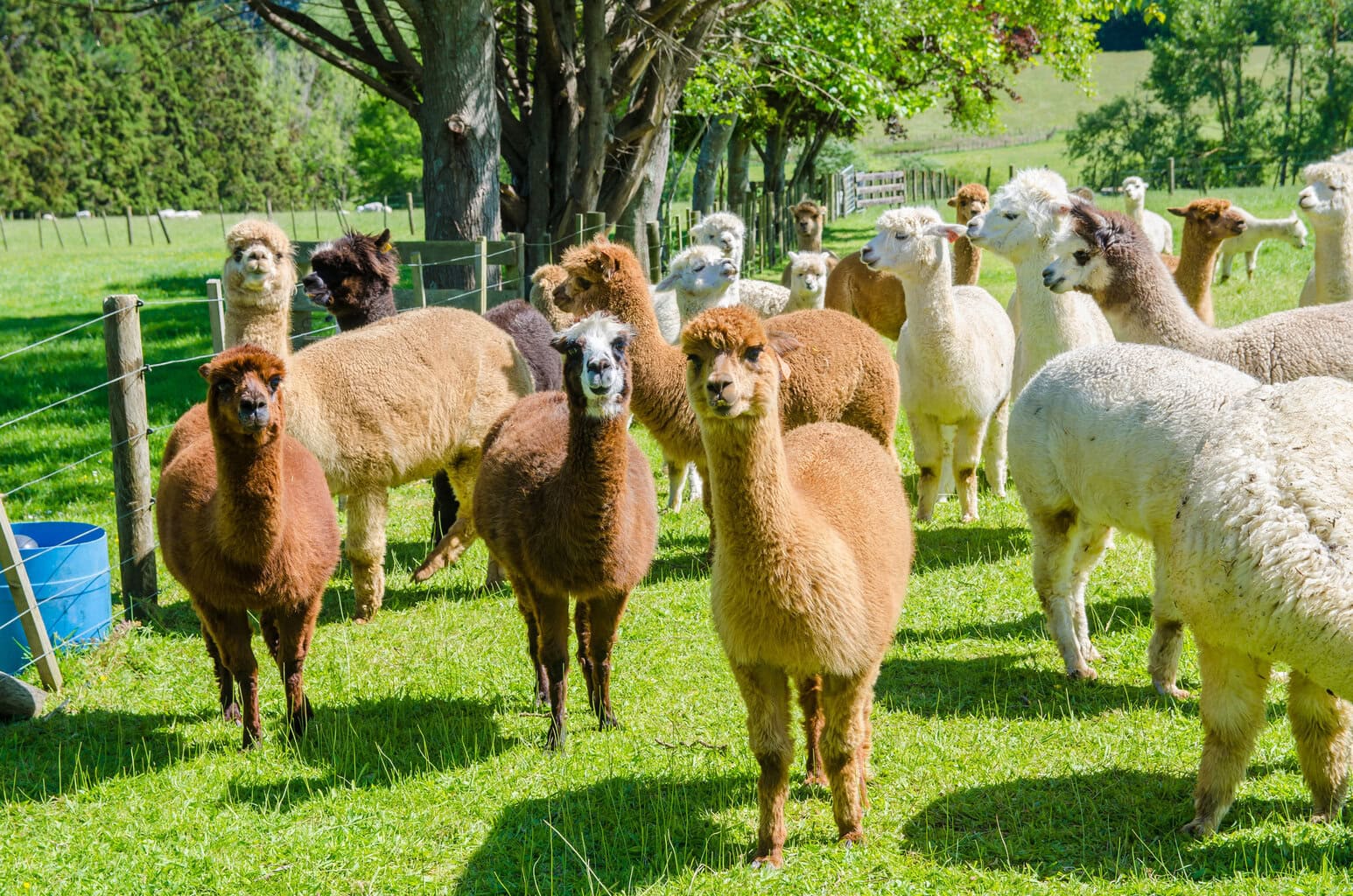
As consumers demand more sustainable and ethical products, farmers are rethinking their approach to livestock. One option that’s gaining attention is alpaca farming. Why? Because it’s better for the land, better for the animals, and better for your business.
In other words, Alpacas are low-maintenance, eco-friendly, and offer multiple sources of income. Their fleece is prized in the fashion industry, and their light grazing habits keep pastures healthy. Unlike traditional livestock, they don’t need as much water or food, making them a more sustainable choice for modern farmers.
If you’re searching for a way to make farming more profitable and sustainable, alpacas could be the key. This article will show why this farming is smart, ethical, and future-focused.
Low Environmental Impact
Alpacas are known for their minimal environmental impact compared to other livestock. Unlike cattle with hard hooves that compact the soil, alpacas have soft, padded feet that cause less damage to pastures. This reduces soil erosion and promotes healthier land.
Their grazing habits are also eco-friendly. Instead of pulling plants out by the roots, they gently nibble on the tops of grass, allowing it to regrow. This natural grazing method maintains lush pastures and supports long-term land health.
Water usage is another key factor. Alpacas require significantly less water than cattle or sheep. In regions with water scarcity, this makes a big difference. Less water usage means lower operational costs and a smaller environmental footprint, allowing farmers to maintain sustainable practices.

Multiple Revenue Streams
One of the most appealing aspects of alpaca farming is its multiple revenue streams. Alpacas offer more than one way to make money, reducing financial risk and increasing farmers’ profitability.
The most valuable product is alpaca fleece, a luxury fiber prized by the fashion industry. According to professionals at s&b Bell Farms, alpaca fleece is used to create premium clothing, scarves, gloves, and much more, as it is softer, warmer, and more durable than wool. Since it’s hypoallergenic, it appeals to consumers with sensitive skin, driving even more demand.
Farmers can also breed and sell alpacas to other farms, offering a lucrative secondary revenue stream. Breeding programs focus on producing high-quality, genetically superior alpacas, which are in demand among new farmers looking to start their herds.

In addition, some farms generate income from agritourism. Visitors pay for farm tours, alpaca encounters, and “experience days” to meet, feed, and learn about these fascinating animals. Hosting workshops or educational tours can create a new income stream for farmers.
With three diverse sources of revenue alpaca farming provides financial stability and growth potential for modern farmers.
Ethical Treatment and Animal Welfare
Alpacas are naturally gentle and low-maintenance animals, making ethical farming practices much easier to maintain. Unlike larger livestock that require confinement or heavy handling, alpacas thrive in open pastures with plenty of space to roam.
These animals are known for their calm temperament, and their size makes them easier to manage. Unlike cows or pigs, alpacas don’t require forceful handling, reducing stress for animals and farmers. This makes it possible to maintain ethical treatment without compromising safety or efficiency.
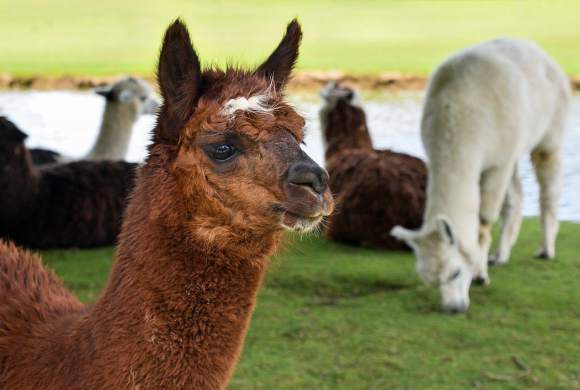
Another ethical benefit is the way alpaca fleece is harvested. Unlike wool from sheep, which involves shearing, alpaca fleece is removed using humane techniques that cause no harm to the animal. Shearing is done once a year, ensuring the alpacas remain comfortable during warmer months.
With growing consumer demand for ethically sourced products, farmers who raise alpacas can meet this demand while treating their animals with dignity and care. Ethical treatment is good for the animals, boosts the farm’s reputation, and attracts socially conscious buyers.
Minimal Feed and Care Requirements
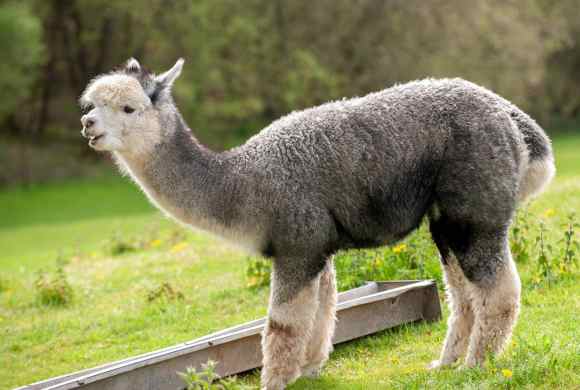
Unlike cows, pigs, or goats, alpacas have simple dietary needs. Their efficient digestive systems allow them to get maximum nutrition from small amounts of food, meaning they consume less hay, grass, and feed. Farmers benefit from lower feed costs, especially during droughts or seasons with limited forage.
In many cases, alpacas can graze on existing pastures, reducing the need for additional feed. During colder months, they may require supplemental hay, but overall, their food intake is much lower than that of cattle or sheep.
Additionally, alpacas have relatively low healthcare and maintenance needs. They’re hardy animals that rarely get sick. Routine health checks and vaccinations are simple to manage. Regular hoof trimming and annual shearing are the only significant maintenance tasks required.
With fewer feed costs, reduced healthcare expenses, and minimal maintenance needs, alpacas are a cost-effective option for farmers. These savings directly impact a farm’s bottom line, allowing for higher profits while maintaining sustainable practices.
To Sum It All Up
Alpaca farming offers modern farmers a sustainable, ethical, and profitable business model. From eco-friendly grazing to valuable fleece production, they provide multiple revenue streams with minimal environmental impact. As consumer demand for ethical products grows, alpaca farming positions farmers for long-term success while supporting a healthier planet for future generations.
Leave a Reply