

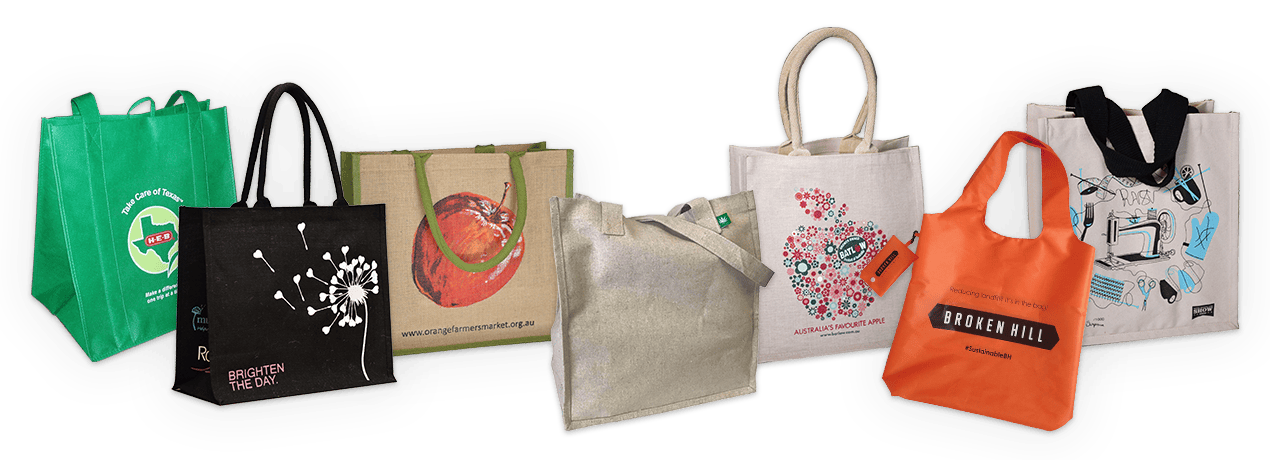
Living a zero-waste lifestyle is a practical way to contribute to environmental sustainability. In a world grappling with excessive waste, adopting habits that minimize our ecological footprint becomes paramount. One simple yet impactful step in this direction is the use of eco-friendly bags.
These bags, made from sustainable materials like organic cotton or recycled fabric, serve as a tangible tool for waste reduction.
By opting for reusable bags instead of single-use plastic, individuals can significantly decrease their contribution to landfills and ocean pollution. In this blog, we’ll explore practical tips and tricks for embracing a zero-waste lifestyle, with a focus on the role of eco bags in making this sustainable shift.
The Basics of Zero-Waste Living

Zero-waste living is about minimizing waste generation to reduce environmental impact. The core principles involve refusing, reducing, reusing, and recycling.
Refusing unnecessary items is the first step, followed by minimizing consumption and opting for reusable alternatives. Benefits of embracing a zero-waste lifestyle include environmental conservation, cost savings, and a simplified, clutter-free existence.
Contrary to common misconceptions, it’s not about perfection but making conscious choices. Challenges may arise due to limited accessibility to sustainable options, but creative solutions, like using eco bags, can make a significant difference.
Embracing a zero-waste lifestyle with eco bags entails practical tips and tricks that empower individuals to navigate daily routines without contributing to unnecessary waste, making a positive impact on both personal well-being and the environment.
The Impact of Plastic Bags on the Environment
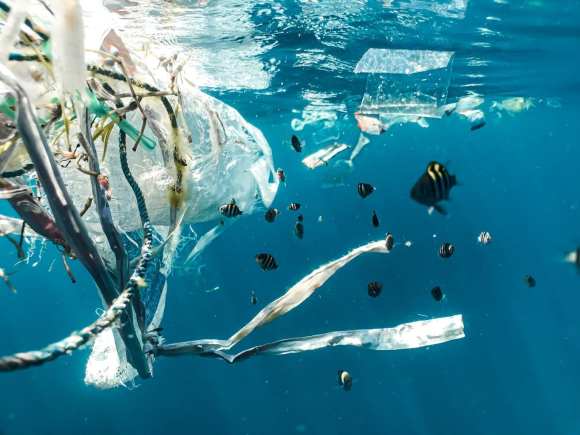
Single-use plastic bags wreak havoc on the environment, causing severe consequences. These lightweight culprits take centuries to decompose, contributing to pollution in landfills, oceans, and ecosystems.
Globally, over 8 million tons of plastic end up in the ocean annually, harming marine life and disrupting ecosystems. The statistics paint a grim picture, revealing the urgency of addressing this issue.
Opting for eco-friendly bags becomes imperative in the quest for a zero-waste lifestyle. Sustainable alternatives like reusable cloth or paper bags significantly reduce the environmental impact of single-use plastics.
Embracing eco bags is not just a trend; it’s a practical step towards a cleaner, healthier planet. In the pursuit of a zero-waste lifestyle, making the switch to eco bags is a simple yet impactful choice, aligning with the ethos of reducing our ecological footprint.
Eco Bags: An Essential Tool for Zero-Waste Living

Eco-friendly bags are indispensable for embracing a zero-waste lifestyle. These environmentally friendly bags come in various types and materials, offering a sustainable alternative to traditional plastic bags. Canvas, jute, and recycled materials are common choices, providing durability and reusability.
Unlike single-use plastic bags, eco bags reduce waste and minimize environmental impact. They are not only sturdy but also easily foldable, making them convenient for everyday use.
By opting for eco bags, individuals contribute to the reduction of plastic pollution, promoting a cleaner and greener environment. The transition to using eco bags is a simple yet impactful step towards achieving a waste-free lifestyle.
Practical Tips for Incorporating Eco Bags into Daily Life
Grocery shopping becomes a breeze when you ditch the plastic and bring your own eco bags. Keep them in your car or backpack for an easy, planet-friendly choice. When packing lunches or snacks, opt for reusable containers and bags instead of disposable ones.
This small change cuts down on waste and is wallet-friendly too. Choose the right shopping bags for different needs – sturdy ones for groceries, compact ones for travel. It’s a simple way to reduce your environmental footprint and live a zero-waste lifestyle. Embrace the habit, make it stick, and enjoy the benefits of a waste-free routine.
DIY Eco Bags: Creative and Personalized Solutions
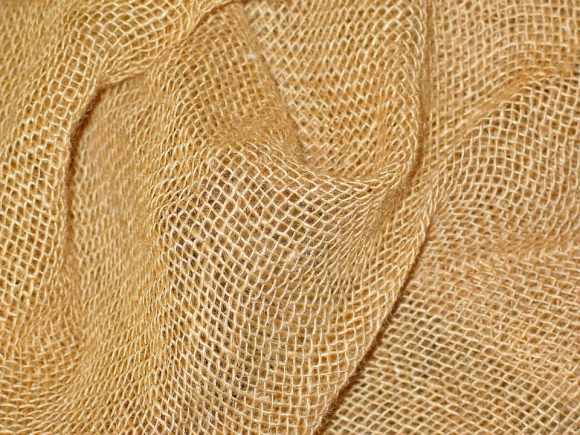
Discover the art of DIY Eco Bags – an economical and sustainable alternative to single-use plastic. Crafting your reusable bags at home is a simple yet impactful step toward a zero-waste lifestyle.
Upcycling old materials like denim, t-shirts, or even bed sheets can be a creative and eco-friendly solution, giving new life to items that might otherwise end up in landfills. Personalizing your eco bags adds a unique touch, making them not just practical but also a reflection of your style.
Embrace a waste-free journey with these tips and tricks, and let your homemade eco bags become a symbol of your commitment to a greener, more sustainable way of living.
Eco Bags on the Go: Navigating a Zero-Waste Lifestyle Outside the Home
Embarking on a zero-waste lifestyle beyond your doorstep requires some savvy moves. When you’re on the move, cutting down waste becomes a challenge, but fear not – here are some practical tips. Firstly, while traveling, opt for reusable containers and water bottles. Refill, not landfill.
In restaurants and takeout situations, bring your eco bags. Politely decline disposable cutlery and containers; your eco bag’s got your back. Moreover, nudge businesses towards zero-waste practices. Let them know customers dig sustainability. Going zero-waste with eco bags isn’t just for home; it’s a smart move wherever you roam.
Zero-Waste Living on a Budget
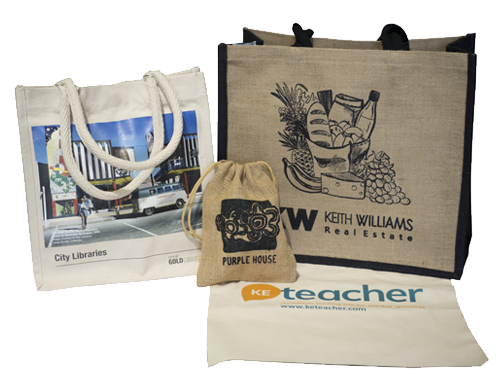
Embracing a zero-waste lifestyle on a budget is totally doable with a bit of savvy thinking. Start by opting for affordable eco bags – there are plenty of budget-friendly options out there that are sturdy and reusable.
Beyond bags, minimize waste without breaking the bank by buying in bulk, choosing products with minimal packaging, and repurposing items. Small changes in your daily routine, like carrying a reusable water bottle or using a cloth instead of paper towels, add up over time.
The upfront investment in eco-friendly choices pays off in the long run, saving you money on disposable items and reducing your environmental footprint. Going zero-waste doesn’t have to mean spending big; it’s about making smart, cost-effective choices that benefit both your wallet and the planet.
Community and Collective Impact
In the pursuit of a zero-waste lifestyle, community support plays a key role. Collaborative efforts within local initiatives amplify the impact of waste reduction. Organizing and actively participating in these initiatives create a ripple effect, inspiring others to embrace a waste-free lifestyle.
The use of eco bags becomes a practical tip in this journey, reinforcing the collective commitment to minimizing environmental impact. Spreading awareness within communities about the tangible benefits of waste reduction encourages a broader adoption of sustainable practices.
By fostering a sense of shared responsibility, individuals can contribute significantly to the collective goal of achieving a waste-free environment.
Conclusion

In conclusion, adopting a zero-waste lifestyle with eco bags is a tangible and effective way to contribute to environmental sustainability. From practical tips for daily life to DIY solutions and navigating a zero-waste lifestyle on a budget, the journey towards waste reduction is both achievable and rewarding.
Embracing eco bags is not just a personal choice but a contribution to the wider community effort, fostering a sense of shared responsibility for a waste-free environment. Let’s take these simple yet impactful steps today, paving the way for a greener and more sustainable tomorrow.
Leave a Reply