


Foods production is responsible for about one-quarter of global greenhouse gas emissions, contributing to climate change. These emissions come from various sources, such as fertilizers, fuel-burning farm machinery, and methane from livestock.
However, some foods do more than just reduce emissions—they actually remove carbon from the atmosphere, making them “carbon-negative” foods.
These foods can store carbon in soil, water, or vegetation, helping to combat climate change while providing nutritious food. Some of them also contribute to restoring ecosystems and reducing pollution.
Scientists believe that increasing the consumption of carbon-negative foods could help lower the carbon footprint of human diets and support a healthier planet.
Some Foods Remove Carbon

When plants grow, they absorb carbon dioxide (CO2) from the air. However, when humans or animals eat these plants, the CO2 is usually released back into the atmosphere. To have a true carbon-negative impact, food production must permanently store carbon in places like the ocean, soil, or forests.
One example is kelp, a type of seaweed that absorbs CO2 while growing. Some of the carbon in kelp gets stored on the ocean floor, preventing it from returning to the air. However, for kelp-based foods to be fully carbon-negative, they must be produced and transported with minimal emissions.
Locally sourced kelp is considered the best option for reducing carbon footprints. Additionally, farming kelp helps restore marine ecosystems, providing habitat for sea life and improving water quality.
Another potential carbon-negative food source comes from methane-oxidizing bacteria. These bacteria consume methane—a greenhouse gas that is 30 times more potent than CO2. When humans eat products made from these bacteria, the methane is converted into CO2, which is much less harmful.
These bacteria can also be grown using waste products like food scraps or manure, further reducing emissions. While bacterial protein products are not yet widely available, companies are developing protein powders and meat substitutes that could become important carbon-negative food sources in the future.
Carbon-Negative Foods

Some land-based crops also have carbon-negative potential, especially when grown using regenerative farming methods. In wetted peatlands, for example, organic material builds up faster than it decomposes, leading to carbon storage in the soil.
Foods like blueberries, cranberries, and celery can be grown in these environments, making them possible carbon-negative crops. However, most fresh blueberries today are transported long distances and packaged in plastic, which increases their carbon footprint.
If these supply chains were improved, peatland-grown foods could play a bigger role in reducing carbon emissions.
Tree-based crops are another promising option. Nuts, olives, and citrus fruits help remove carbon by storing it in their tree trunks, roots, and branches. The global area of tree nut farms has doubled in the past 20 years, with much of this expansion occurring on former croplands. On average, tree nuts remove around 1.3 kg of CO2 for every kilogram produced.
The carbon storage continues until the trees reach maturity, usually after about 20 years. If the trees are later used for long-lasting wood products, the stored carbon remains trapped instead of being released back into the air. This means that expanding tree crop farming on degraded land could help store carbon while producing food.
Regenerative Farming and Land-Sparing Foods
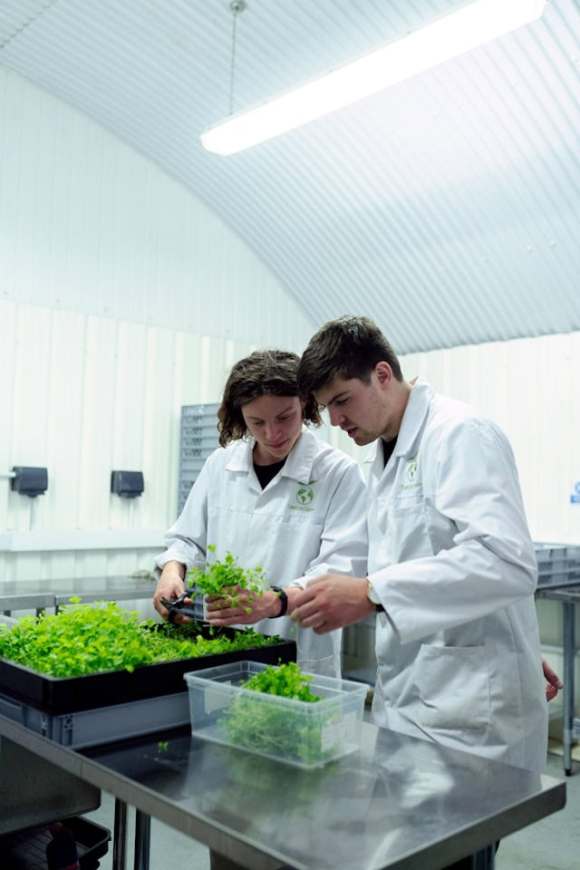
In addition to carbon-negative foods, regenerative farming practices can help increase soil carbon storage. These methods include no-till farming, planting cover crops, and maintaining hedgerows, which help store carbon in the ground while improving soil health.
Some companies already claim to produce carbon-negative foods using regenerative practices. For example, the British company Wildfarmed says its wheat farming methods remove 1.5 kg of CO2 for every kilogram of wheat produced.
Similarly, Gipsy Hill Brewery in London produces what it claims to be carbon-negative beer, based on a full life-cycle analysis of its supply chain. However, not all regenerative farming is carbon-negative. High-emission foods like beef are unlikely to become carbon-negative, even with regenerative practices.
A study in Argentina found that some farms raising cattle on shrubland removed about 0.3 kg of CO2 per kilogram of beef. However, these farms required large amounts of land—500 square meters per kilogram of beef.
If all beef farming used this much land, an area the size of Africa would need to be converted into farmland to meet current beef consumption levels.
One of the most effective ways to reduce the carbon footprint of food production is land sparing—using less land to produce the same amount of food. Some products require much more land than others.
For example, beef production requires about 100 square meters of land per 100 grams of protein, while plant-based proteins like beans or tofu use only about 5 square meters for the same amount of protein.
By shifting toward low-land-use foods, more land can be returned to forests, grasslands, and wetlands, which absorb carbon from the atmosphere.
A major study using climate models found that if everyone stopped eating animal products and switched to plant-based foods, the land spared could absorb 8 billion tons of CO2 per year for about 100 years. This would be enough to offset all food-related emissions, making global diets carbon-negative.
The Role of Carbon Labels

Currently, identifying carbon-negative foods in stores is difficult. However, carbon labeling is being introduced in some countries to help consumers make informed choices. New Zealand now requires farms to track their greenhouse gas emissions, while France is planning a national carbon labeling system.
These initiatives aim to provide clear, science-based information on the environmental impact of different foods.
Once carbon labels are widely available, consumers will be able to choose carbon-negative foods more easily. This could drive demand for sustainable products, encouraging farmers and food producers to adopt carbon-friendly practices.
While carbon-negative foods may never make up the majority of diets, they represent an important tool in fighting climate change. Combined with regenerative farming, land-sparing strategies, and better food production methods, they can help reduce emissions and restore ecosystems.
By making conscious choices about what we eat, we can help support a food system that not only reduces emissions but actively removes carbon from the atmosphere, creating a more sustainable future.
Sources:
Leave a Reply