

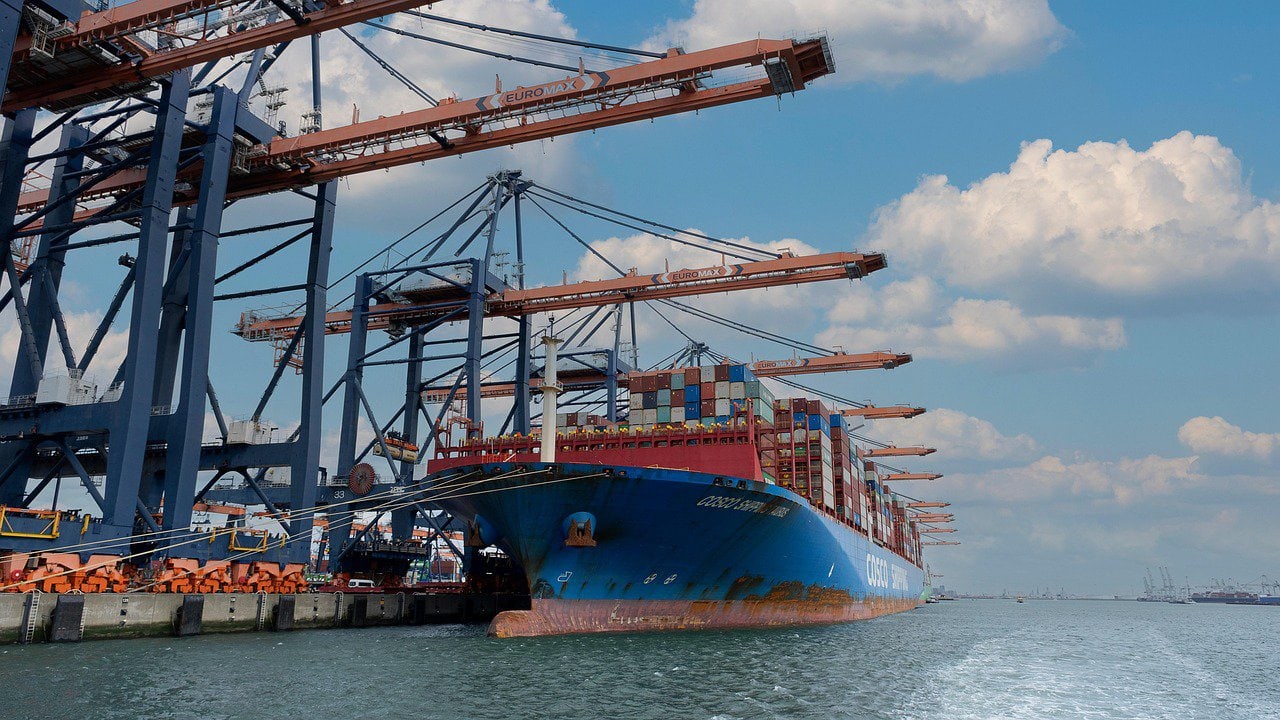
You rely on ships more than you realize. They bring fresh produce to your grocery store, fuel to your city, and medicine to hospitals. However, the convenience of global trade comes with a price, and the oceans pay this price.
Large vessels release tons of carbon dioxide, spill oil, and discharge waste that disrupts marine ecosystems. The impact is massive, but so is the potential for improvement. Even minor changes like optimizing fuel systems, using better valves to prevent leaks, or incorporating renewable energy can make a big difference.
These aren’t just hypothetical solutions; they are being implemented as we speak. The future of shipping isn’t about slowing down. In fact, it’s about moving forward in a way that respects and protects the planet. In this article, you will learn how some small changes can actually do wonders for the planet. So, let’s find out!

1. Reducing Fuel Consumption with Efficient Systems
Fuel efficiency is one of the most effective ways to cut down on greenhouse gas emissions from ships. Modern vessel designs focus on optimized hull shapes, hybrid propulsion systems, and energy-efficient engines to minimize fuel consumption. Additionally, the use of digital monitoring systems helps ship operators track fuel usage and make real-time adjustments to improve efficiency.
The International Maritime Organization (IMO) has set new regulations to reduce sulfur emissions, pushing the industry toward low-emission fuels and cleaner technology. These changes, though small, collectively make a significant difference in reducing pollution levels.
2. The Role of High-Quality Components in Sustainable Shipping
Upgrading ship components with durable and efficient alternatives can also contribute to sustainability. For example, using high-quality, corrosion-resistant materials in marine applications reduces the need for frequent replacements, cutting down on waste and resource consumption.
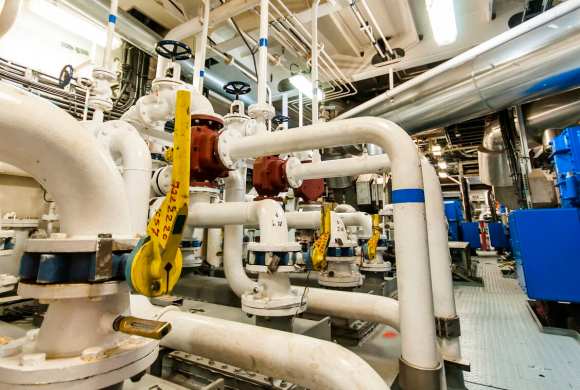
One crucial upgrade involves fluid control systems, which help regulate fuel transfer, bilge water management, and other essential ship operations. Many modern vessels now rely on specialized valves for marine applications to ensure efficient, leak-proof, and eco-friendly fluid handling. These valves contribute to reducing unnecessary waste, preventing spills, and optimizing ship performance. When sourcing such critical components, always prioritize trusted and high-quality suppliers.
3. Preventing Ocean Pollution with Smart Waste Management
Ships create a lot of waste, like leftover oil, dirty water, and plastic trash. If this waste is not handled properly, it can pollute the ocean and harm sea animals. Luckily, there are new ways to manage this problem.
- Oil-water separators clean oil out of the water before it is released into the ocean.
- Ballast water treatment systems stop harmful organisms from spreading to different parts of the sea.
- Recycling and waste reduction systems help ships produce less plastic and trash.
By using these technologies, shipping companies can pollute less and follow important ocean protection rules.
4. The Shift to Renewable Energy in Marine Transport
As people worry more about climate change, the shipping industry is looking for new ways to use less fossil fuel. Some good ideas include:
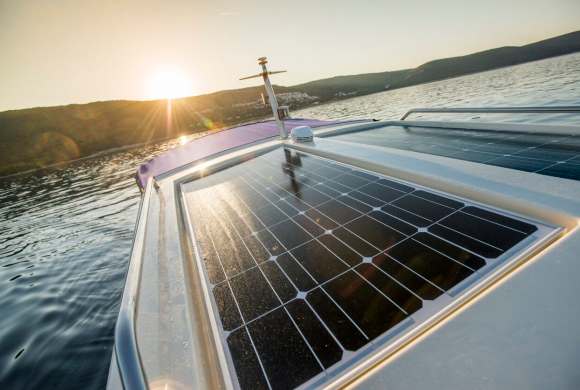
- Solar-powered ships that use sunlight to make electricity.
- Wind-powered ships that have large sails or spinning rotors to help them move with less fuel.
- Hydrogen fuel cells create clean energy and do not pollute.
Some companies are already testing ships that use both renewable energy and regular fuel. Others are experimenting with biofuels, which come from natural sources like plants and algae. Battery-powered ships are also being developed for short trips, reducing the need for gas or diesel. These inno vations show that the future of shipping can be cleaner and more sustainable.
5. Sustainable Materials and Green Retrofitting
Another way to improve sustainability in the shipping industry is by using eco-friendly materials and retrofitting older vessels instead of replacing them.
- Corrosion-resistant materials, such as naval bronze and monel, help extend the lifespan of ship components, reducing waste.
- Green coatings and antifouling paints minimize chemical pollution in the ocean.
- Retrofitting old ships with modern, fuel-efficient engines and renewable energy systems helps reduce emissions without requiring complete vessel replacements.
The maritime sector can reduce waste, lower costs, and protect marine ecosystems by making these small but essential changes.

Wrapping It All Up
The shipping industry has a significant role to play in protecting the environment. While large-scale changes take time, even small improvements in fuel efficiency, waste management, and component quality can lead to a greener and more sustainable future.
By adopting advanced ship technology and renewable energy solutions, the maritime sector can minimize its environmental impact while maintaining efficiency and reliability. Investing in eco-friendly innovations today will ensure that future generations can continue to benefit from healthy oceans and a cleaner planet.
Frequently Asked Question
1. How do ships impact the environment? Ships are responsible for releasing large amounts of carbon dioxide, spilling oil, and discharging waste into oceans. These activities disrupt marine ecosystems and contribute to pollution, making it crucial to adopt cleaner and more efficient technologies.
2. What can the shipping industry do to reduce fuel consumption? The shipping industry can adopt fuel-efficient systems by optimizing hull designs, using hybrid propulsion systems, and incorporating energy-efficient engines. Digital monitoring systems also help ship operators track and improve fuel usage in real time.
3. How can high-quality components make ships more sustainable? Upgrading to durable, corrosion-resistant materials for ship components helps reduce waste and resource consumption by minimizing the need for frequent replacements. Fluid control systems, including specialized valves, also help optimize ship performance and prevent spills, making operations more eco-friendly.
4. What is being done to prevent ocean pollution from ships? Modern ships are using advanced technologies such as oil-water separators, ballast water treatment systems, and recycling systems to manage waste more effectively. These technologies prevent oil spills, stop harmful organisms from spreading, and reduce plastic pollution, helping ships meet important ocean protection regulations.
5. How can renewable energy be used in the shipping industry? Renewable energy solutions like solar power, wind energy, hydrogen fuel cells, and biofuels are being tested and adopted by shipping companies. Solar-powered ships, wind-assisted propulsion, and battery-powered vessels for short trips are innovations that reduce reliance on fossil fuels, making shipping more sustainable.
6. How does ship technology contribute to a sustainable future? Ship technology innovations, such as energy-efficient systems, renewable energy sources, and waste management solutions, significantly reduce the environmental impact of shipping. These improvements ensure that shipping can continue to operate efficiently while minimizing its contribution to climate change and ocean pollution.
Leave a Reply