


In the wake of climate change concerns, industries worldwide are under increasing pressure to reduce their carbon emissions. For the unversed, a Nature Journal study showed that global CO2 emissions for 2022 increased by 1.5% compared to 2021. They have now reached almost 36.1 GtCO2.
Businesses seek innovative ways to mitigate their environmental impact from manufacturing plants to transportation fleets while remaining competitive in the global market. This article explores the most promising sustainable solutions and innovations implemented across various industries to tackle carbon emissions.
Energy Efficiency and Renewable Energy

One of the most effective ways for industries to reduce carbon emissions is by improving energy efficiency and transitioning to renewable energy sources. In the manufacturing sector, energy-intensive processes often account for a significant portion of carbon emissions.
Cement manufacturing has been one of the biggest contributors to CO2 emissions. According to Visual Capitalist, the industry shows extremely high Scope 1 emissions. It produces almost 5,415 tonnes of CO2 per $1 million in revenue. Many CO2 emissions come from running the equipment to produce the cement.
Companies can significantly reduce their energy consumption and carbon footprint by investing in energy-efficient equipment and optimizing manufacturing processes. Moreover, adopting renewable energy sources such as solar and wind is becoming increasingly popular among industries looking to decarbonize their operations.
Many companies are installing solar panels on their rooftops or investing in wind farms to power their facilities sustainably. By generating clean energy onsite, businesses can reduce their reliance on fossil fuels and lower their operating costs in the long run.
Carbon Capture and Storage (CCS)
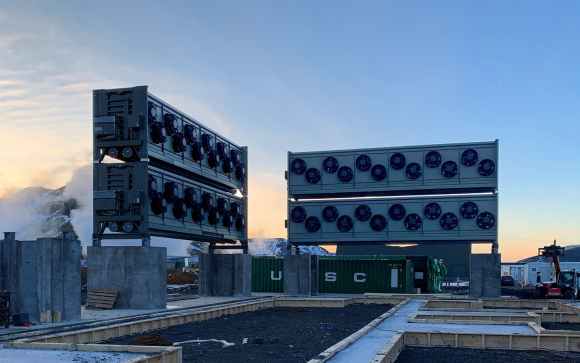
Another promising technology for carbon reduction is carbon capture and storage (CCS). According to Atoco, CCS involves capturing and storing carbon emissions from industrial processes or power plants. This helps prevent them from entering the atmosphere.
CSS has the potential to significantly reduce emissions from industries such as steel manufacturing, cement production, and power generation. As stated by the Congressional Budget Office, 15 such facilities are currently operating in the US. These companies can capture around 0.4% of the US’s total annual carbon emissions.
Solid-state carbon capture presents an innovative method for carbon capture, with the potential to reduce carbon capture costs, improve performance, safety, and scalability compared to conventional sorbent technologies.
It allows heavy-emitting industries to leverage a scalable and efficient solution to decarbonize them. The captured carbon can then be utilized across various applications, such as carbonation, dry ice, chemical synthesis, etc.
Sustainable Materials and Circular Economy

The adoption of sustainable materials is a fundamental step towards reducing carbon emissions. This involves using renewable resources, such as bamboo or recycled plastics, instead of relying solely on finite resources like fossil fuels. By incorporating sustainable materials into their products, industries can decrease carbon footprint while promoting eco-friendly alternatives.
Moreover, the circular economy concept emphasizes the importance of designing products for longevity and easy disassembly. Industries are increasingly designing products with the end of their lifecycle in mind, enabling easier recycling or repurposing of materials. This approach helps minimize waste and encourages a more sustainable use of resources.
Many industries are also investing in research and development to innovate new materials and manufacturing processes that are more environmentally friendly. This includes exploring bio-based materials, such as plant-based plastics, and developing advanced recycling technologies to efficiently recover and reuse materials.
Furthermore, advancements in bio-based materials and alternative manufacturing processes are enabling industries to produce goods with lower carbon footprints. For example, biofuels derived from renewable sources offer a greener alternative to traditional fossil fuels. Similarly, 3D printing technologies allow for more efficient use of materials and reduced waste.
Sustainable Transportation

The transportation sector is a significant contributor to carbon emissions, mainly through the combustion of fossil fuels. Industries are exploring various sustainable transportation solutions to address this challenge and reduce emissions along the supply chain.
Electric vehicles (EVs) are rapidly gaining traction as an alternative to traditional gasoline and diesel vehicles. According to Global Market Insights, the US EV market was worth around $49.1 billion in 2022.
Many industries are electrifying their vehicle fleets and investing in charging infrastructure to support the transition to electric transportation. Additionally, hydrogen fuel cell technology development offers another promising pathway to decarbonize transportation, especially for heavy-duty vehicles and long-haul shipping.
Another approach is optimizing logistics and supply chain operations to minimize transportation-related emissions. This includes adopting route optimization algorithms, consolidating shipments, and utilizing intermodal transportation modes like rail and sea freight whenever feasible.
Collaboration and partnerships are crucial in advancing sustainable transportation initiatives within industries. Companies increasingly work with suppliers, customers, and government agencies to develop and implement sustainable transportation strategies.
Government Policies and Carbon Pricing

While technological innovations are crucial in reducing carbon, government policies and pricing mechanisms are also essential drivers of change. Many governments worldwide are implementing regulations and incentives to encourage industries to reduce carbon emissions and transition to cleaner technologies.
Carbon pricing, such as carbon taxes or cap-and-trade systems, internalizes the cost of carbon emissions and provides financial incentives for industries to invest in carbon reduction measures.
Additionally, government subsidies and grants for renewable energy projects and energy efficiency upgrades help accelerate the adoption of sustainable solutions across industries.
Frequently Asked Questions

How Do Sustainable Practices Reduce CO2 Emissions?
Sustainable practices reduce CO2 emissions by minimizing reliance on fossil fuels, the primary contributors. They promote using renewable energy sources such as solar, wind, and hydroelectric power, which produce little to no CO2 emissions during operation.
What Are the Major Sources of CO2 in Industrial Plants?
Industrial plants contribute to CO2 emissions through various processes and activities. The combustion of fossil fuels for energy generation, heating, and transportation within industrial facilities is a significant source of CO2 emissions. Additionally, industrial processes such as cement production, chemical manufacturing, and metal smelting release CO2 as a byproduct of chemical reactions.
How Do Sustainable Solutions Benefit Businesses Financially?
Sustainable solutions offer several long-term financial benefits to businesses. Firstly, they can lead to significant cost savings by reducing energy consumption and waste generation. Implementing energy-efficient technologies and practices lowers utility bills and enhances operational efficiency, improving overall productivity.
In conclusion, reducing carbon emissions across industries requires a multifaceted approach. This approach combines technological innovation, sustainable practices, and supportive government policies. Businesses have various options to mitigate their environmental impact, from improving energy efficiency and embracing renewable energy to implementing carbon capture and storage technologies.
Leave a Reply