


Are you planning to buy or develop a piece of land for your next project? If so, it’s important to conduct an environmental land survey. This process helps identify any potential environmental hazards on the property and ensures that you comply with local regulations.
But how do you effectively conduct an environmental land survey? In this blog post, we’ll discuss the purpose of an environmental land survey, the steps involved in conducting one, and some tips for ensuring its effectiveness.
Let’s dive in!
What Is an Environmental Land Survey?

An environmental land survey is a process of assessing the potential environmental risks and hazards that may exist on a piece of property. This type of survey helps determine whether there are any factors that could negatively impact the environment or human health.
The assessment includes analyzing soil, water quality, vegetation, and wildlife habitats to identify any possible issues such as toxic substances, hazardous waste sites, endangered species or wetlands. These findings help developers understand the site’s limitations and requirements for development.
An important aspect of an environmental land survey is compliance with local regulations. Many areas require this type of survey before allowing new construction projects in certain locations. This helps ensure that environmentally sensitive areas are protected from contamination, destruction or degradation.
An environmental land survey provides valuable information to buyers and developers about potential risks associated with their parcel of land while also promoting sustainable development practices.
The Purpose of An Environmental Land Survey

The purpose of an environmental land survey is to assess the potential environmental risks and hazards that may exist on a piece of land. This includes identifying any contamination or pollution that could cause harm to humans, wildlife, or vegetation.
Moreover, an environmental land survey aims to determine whether the site has been used for industrial purposes in the past and if there are any underground storage tanks present that could potentially leak hazardous materials. By conducting this type of survey, developers can ensure they are not putting their workers or future occupants of a property at risk.
An additional purpose of an environmental land survey is to ensure compliance with local regulations regarding contaminated sites. By evaluating a site’s history and current state, experts can provide recommendations for remediation and cleanup efforts if necessary.
Furthermore, financial institutions often require an environmental land survey before approving loans for commercial properties as it serves as a risk assessment tool in determining investment viability. In some cases, insurance companies also request these surveys before providing coverage on high-risk properties.
The main purpose behind conducting an environmental land survey is to protect public health while minimizing negative impacts on the environment through informed decision-making based on accurate data collection and analysis.
The Process of Conducting An Environmental Land Survey

The process of conducting an environmental land survey requires a systematic approach to ensure that all aspects of the environment, including soil, air quality, water resources and ecological habitats are thoroughly evaluated. The first step in conducting an environmental land survey is to identify the boundaries and characteristics of the site being studied.
Once this is done, various tools such as GPS systems and mapping software can be used to create a detailed map or aerial photograph of the area. A thorough analysis of existing data on topography, geology, hydrology and climate conditions must also be carried out before any fieldwork begins.
Fieldwork involves collecting samples from soil, water bodies and air for testing purposes. This may involve drilling boreholes or setting up monitoring wells for groundwater sampling; taking surface water samples from rivers or streams; or using specialized equipment like gas analyzers for measuring emissions.
The collected data is then analyzed by experts who determine if there are any potential hazards present at the site. If necessary, corrective measures will be recommended to mitigate these risks.
A comprehensive report detailing all findings should be presented to stakeholders after completing an environmental land survey. The report should include recommendations on how best to manage any identified risks associated with property use going forward while maintaining compliance with local regulations governing activities within sensitive areas like wetlands or protected wildlife habitats.
Tips For Conducting an Effective Survey
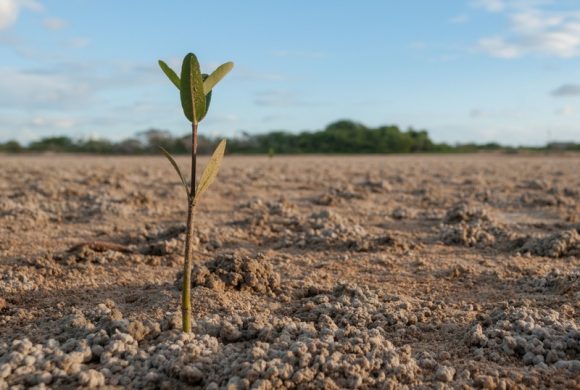
To ensure that an environmental land survey is conducted effectively, there are certain tips to keep in mind. First and foremost, it is important to have a clear understanding of the purpose of the survey before starting. This will help guide the process and ensure that all necessary aspects are covered.
Another tip is to gather as much information as possible about the site prior to conducting the survey. This can include reviewing any existing reports or data related to the area, as well as speaking with local experts or community members who may have valuable insights.
During the actual surveying process, it is crucial to pay close attention to detail and document everything thoroughly. This includes taking accurate measurements, noting any observations or findings, and keeping thorough records of all data collected.
It’s also important to prioritize safety throughout the entire process by wearing appropriate protective gear and being aware of potential hazards on-site.
Communication plays a key role in conducting an effective environmental land survey. It’s important to work closely with all stakeholders involved in order to ensure that everyone is on board with project goals and timelines – this can include clients, contractors, regulators, or other relevant parties.
By following these tips for conducting an effective environmental land survey, professionals can help ensure accuracy while minimizing risk factors along every step of the way.
Conclusion
To sum up, conducting an environmental land survey is a crucial step in ensuring the safety of people and the environment. By following the necessary steps, you can effectively identify potential hazards and take appropriate measures to mitigate them.
Remember to always start with research and planning, including identifying your goals for the survey. Then gather as much information about the site as possible before conducting any fieldwork. During fieldwork, use various techniques such as soil sampling and groundwater testing to collect data on potential contaminants.
Once all data has been collected, analyze it thoroughly to determine any risks or hazards present on-site. Create a report summarizing all findings and outlining recommendations for any necessary remediation efforts.
By following these tips for conducting an effective environmental land survey, you can ensure that your project is completed safely and efficiently while protecting both human health and the environment.
Leave a Reply