

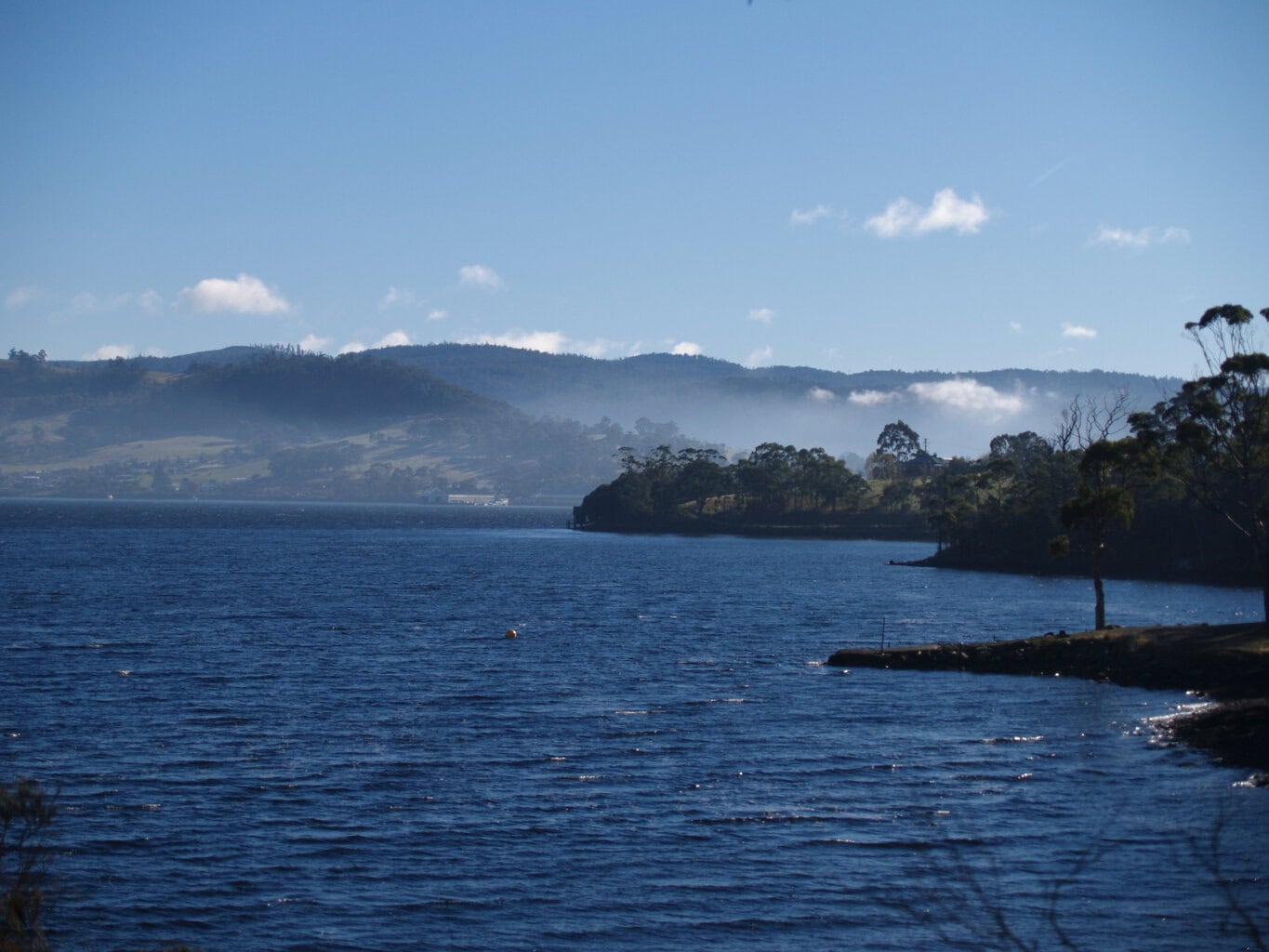
Mining often brings images of economic growth, industrial progress, and technological advancement. Copper, lithium, and rare metals are now essential for electric vehicles, renewable energy systems, and data centers powering artificial intelligence.
Yet beneath this push for a greener and more connected future lies an environmental cost that can remain hidden for generations. In many places around the world, rivers continue carrying the toxic legacy of mines that closed decades ago.
Tasmania, an island state south of mainland Australia, has become one of the clearest examples of how industrial pollution can outlive the industries that created it. Well, what can we learn from this?
A River That Looks Alive
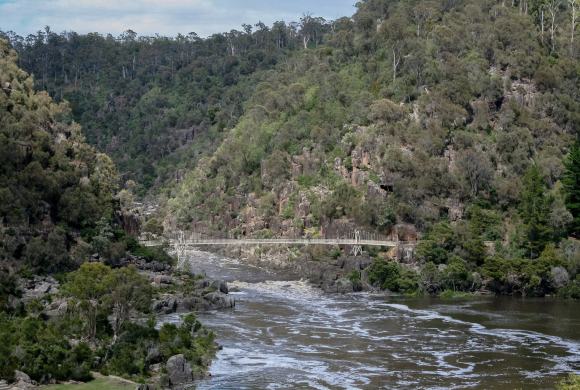
The King River in western Tasmania flows through rainforests, mountains, and open plains before reaching Macquarie Harbour near the town of Strahan. On the surface, the river appears natural and untouched.
However, scientists describe parts of the river ecosystem as “biologically dead.” For more than a century, copper mining at Mount Lyell near Queenstown released enormous amounts of waste into nearby waterways.
Toxic tailings from the mine entered the Queen River, which feeds directly into the King River. Even after large-scale dumping stopped and the mine eventually closed in 2014, the pollution remained trapped in river sediments and floodplains.
Today, many species that normally live in healthy Tasmanian streams have disappeared from the lower King River.
Aquatic insects such as mayflies, stoneflies, and caddisflies species that form the base of freshwater food chains are now largely absent. Their disappearance signals a damaged ecosystem struggling to recover.
How Acid Mine Drainage Pollutes Rivers
One of the biggest environmental threats from old mines is acid-mine drainage. This occurs when sulfide-rich mining waste is exposed to air and water. Chemical reactions produce sulfuric acid, which dissolves metals such as copper, zinc, and iron.
These toxic metals then spread through rivers and accumulate in sediments. During storms or floods, contaminated sediments can move downstream again, continuing the cycle of pollution decades after mining ends.
According to geochemist Owen Missen from the University of Tasmania, mining damage can affect natural systems for thousands of years. Even when landscapes appear healthy, contamination may still exist beneath the surface.
Tasmania’s heavy rainfall worsens the problem. Intense storms regularly wash pollutants through the watershed, spreading contamination farther into rivers and estuaries.
Beyond Tasmania

Tasmania is not an isolated case. A 2023 global study published in Science found that mining waste has polluted hundreds of thousands of kilometers of rivers worldwide. Researchers estimate that around 23 million people live on floodplains contaminated by toxic mining sediments.
Unlike dramatic mining disasters that make international headlines, most pollution spreads slowly and quietly over decades. Abandoned mines continue leaking waste long after companies disappear or operations shut down.
Scientists now believe inactive and abandoned mines are among the world’s most persistent sources of river contamination. Because many historical mines operated with little or no environmental regulation, cleanup efforts today are extremely difficult and expensive.
Professor Mark Macklin from the University of Lincoln explains this clearly: rivers “remember mining.” Toxic metals remain stored in sediments long after the original source has vanished.
Damage to Biodiversity and Food Webs
Mining pollution affects more than water quality. Entire aquatic ecosystems can collapse when sensitive species disappear.
Freshwater organisms are especially vulnerable because they cannot easily escape polluted environments. Species tolerant of contamination often survive, while more sensitive organisms die out. This reduces biodiversity and weakens food webs.
In Tasmania, scientists monitor river health by studying macroinvertebrates small organisms such as insects, worms, and crustaceans living on riverbeds. Healthy rivers usually contain diverse populations of these species. Polluted rivers, however, are dominated by only a few tolerant organisms.
The impact extends to fish populations as well. Native galaxiids, small freshwater fish important to Tasmania’s ecosystems, are largely absent from contaminated sections of the Queen-King river system. Since these fish feed near river sediments, they are highly exposed to toxic metals.
Further downstream, pollution also threatens the critically endangered Maugean skate in Macquarie Harbour. This rare species exists in only two estuaries on Earth and is highly sensitive to environmental changes.
Human Health

Although environmental damage receives most attention, mining pollution can also affect human communities. Toxic metals may contaminate drinking water, crops grown near floodplains, livestock grazing close to rivers, and fish caught for food.
Scientists say immediate poisoning risks in Tasmania are relatively low, but long-term exposure remains a concern. Pollutants moving through aquatic food chains may eventually affect people who rely on these waterways for recreation, fishing, or agriculture.
Warning signs near rivers such as the Montezuma River already advise visitors not to drink the water. These reminders show how industrial pollution can shape local communities long after mining activity ends.
Attempts at Restoration
Tasmania has spent decades studying and attempting to manage mining pollution. Researchers regularly monitor water quality, sediments, and aquatic life throughout the region.
The government introduced laws such as the 2003 Mt Lyell Acid Drainage Reduction Act to control contamination and support remediation efforts. Waste rock stabilization and river monitoring programs have also expanded.
However, restoration remains difficult. Pollution is widespread, cleanup costs are enormous, and some environmental damage may never be fully reversed.
Climate change further complicates recovery. More frequent extreme rainfall events increase the likelihood that contaminated sediments will spread again during floods.
Lessons for the Future

Tasmania’s rivers offer an important warning to the rest of the world. Demand for critical minerals is rapidly increasing because modern technologies depend heavily on metals such as copper, lithium, and rare earth elements. Electric vehicles, renewable energy infrastructure, and AI systems all require large-scale mineral extraction.
Without stronger environmental protections, today’s mines could create tomorrow’s long-term ecological disasters.
The story of the King River shows that mining impacts do not end when operations close. Rivers can carry industrial memories for centuries through polluted sediments, damaged ecosystems, and disrupted food webs. Even landscapes that appear wild and beautiful may still bear invisible scars beneath the surface.
As societies continue pursuing technological progress and cleaner energy systems, Tasmania reminds us that sustainability cannot focus only on what industries produce. It must also consider what they leave behind.
Sources:
Leave a Reply