

What does it take to reach 10,000 different living creatures in one place? At Wicken Fen in Cambridgeshire, it took 125 years of care, a lot of patience, and one very special moth.
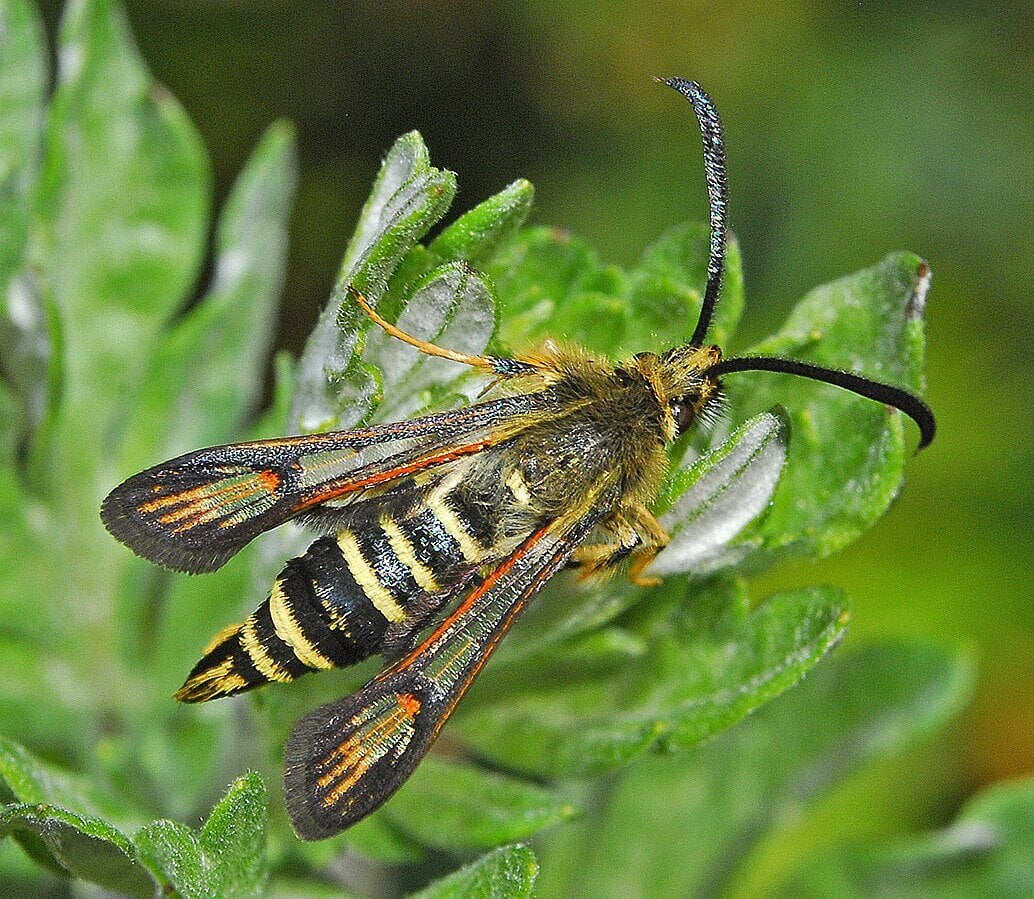
A rare six-belted clearwing, a beautiful insect that pretends to be a wasp, has just become the 10,000th species recorded at Britain’s oldest nature reserve. This little moth with bright yellow bands and glass-like wings shows how powerful nature can be when we give it space.
Let’s together discover the story of a tiny piece of land that grew into the richest nature reserve in the UK .
a Wildlife Kingdom
Everything started in 1899 when the National Trust spent just £10 to buy two small acres of wet fenland. Back then almost all of East England’s wild fens had been drained for farming, so only tiny patches remained.
The Trust wanted to save one of them. Year after year people kept buying more neighboring fields, they raised water levels, and they let nature return. Today Wicken Fen covers over 2,000 acres, which is a thousand times bigger than at the beginning.
Reeds, ponds, wet meadows, and ditches now stretch as far as the eye can see. Old wooden windpumps still stand tall, which reminds visitors how people once managed water by hand.
This long, patient work created a perfect home for wildlife. Warmer summers have helped southern insects move north. Better cameras and phone apps help experts record more creatures than ever before.
The result is a living treasure chest. When the six-belted clearwing moth was spotted this year, everyone celebrated. Males have six bright yellow bands, while females have only five. It flies in sunshine and feeds on flowers just like a bee.
Finding this rare visitor pushed the reserve past the magic number of 10,000 different species. Countryside manager Alan Kell says it perfectly: give nature the opportunity and the space, and it will do remarkable things.
Six-Belted Clearwing

Most moths hide in the dark. The six-belted clearwing loves bright daylight, and it looks nothing like a typical moth. Its black and yellow stripes copy a wasp perfectly, which fools hungry birds into staying away because they think it can sting.
In reality this moth is completely harmless, and it only drinks sweet nectar. Its wings are almost see-through, which makes them shine like glass in the sun. This clever disguise is called mimicry, and it keeps the moth safe.
The six-belted clearwing is rare in Britain. It needs warm weather and old meadows full of bird’s-foot trefoil flowers. The caterpillar lives hidden inside plant stems for two whole years before it becomes the colorful adult we see for just a few summer weeks.
Because it stays out of sight most of the time, people hardly ever notice it. Experts use special scent lures to attract males and prove it lives there. When the lure worked at Wicken Fen, the team knew they had something special.
This moth proved the reserve is healthy enough for even the fussiest creatures. It also shows how climate warming is changing wildlife maps. Species that once stayed in southern England now feel at home farther north.
Each new arrival adds another name to the long list that started 200 years ago when the first naturalists wrote down everything they saw.
Hidden Wonders
Ten thousand species means ten thousand different stories live together. Tiny beetles smaller than a pinhead share the ground with rare orchids that bloom for only a few days. Birds that fly all the way from Africa nest beside water voles that swim quietly between reeds.
During the last century scientists discovered thirteen species completely new to science right here. Dragonflies with wings like jewels patrol the water. Otters returned after they almost disappeared. At night bats dance above the meadows while glow-worlight up the grass like tiny stars.
The reserve keeps growing. A big expansion project that began in 1999 still continues today. Every new field that is bought and flooded brings more life. Warmer temperatures invite southern insects.
Better recording tools help experts spot creatures that were always present but never counted before. From fungi deep in the soil to marsh harriers high in the sky, every record adds to the celebration.
Reaching 10,000 feels like a giant birthday party for nature. It shows what can happen when people choose protection instead of destruction. Wicken Fen started smaller than a football pitch.
Now it is a living museum of Britain’s wild past and a hopeful promise for the future. Every visitor becomes part of this success story.
Why This Tiny Moth Matters
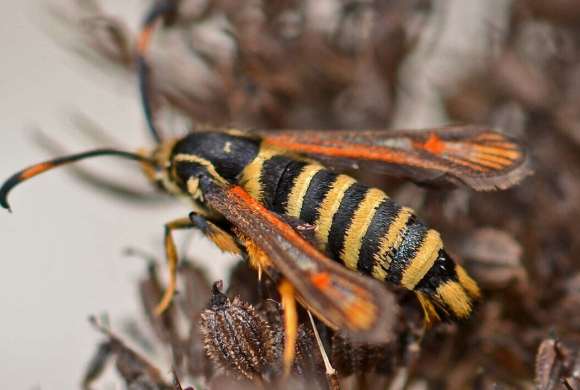
One little wasp-moth carries a big message. When we give nature room to breathe, it comes back stronger than anyone expects. Wicken Fen was almost lost forever. Today it proves that even small patches of wild land can matter hugely.
One decision in 1899 to save two acres has grown into a safe home for 10,000 species and counting. We can all help create more places like this. Plant wildflowers in a garden corner. Leave some grass long for insects.
Support groups that protect land. Every extra meadow or pond makes space for more creatures. The six-belted clearwing reminds us that rare beauty is still out there. We only need to make room for it.
Wicken Fen started with £10 and a dream. Now millions of insects, birds, plants, and animals say thank you every single day. The next 10,000 species might start growing in your own backyard if you let nature in.
Sometimes nature is just so amazing. One tiny moth just showed the world how powerful hope, space, and time can be together.
Sources:
Leave a Reply