

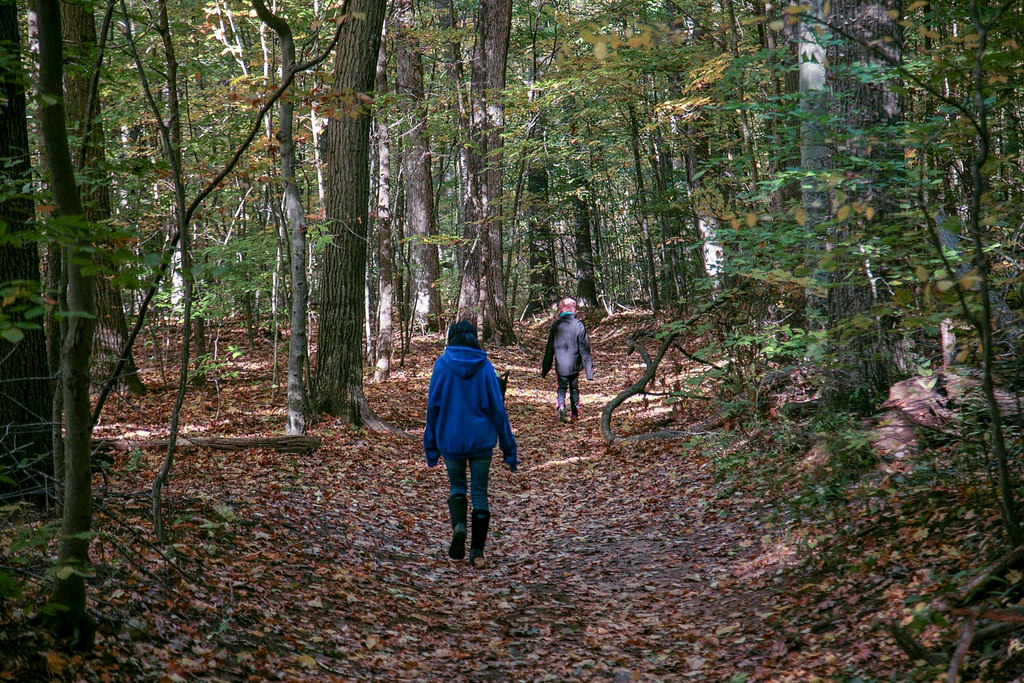
Don’t you know that scientists are increasingly discovering that forests are deeply connected to human health? The condition of an ecosystem can influence the spread of disease, the movement of animals, and the types of pathogens humans are exposed to.
Recent study from Madagascar highlights this connection clearly. Researchers found that in intact forest areas, native tuft-tailed rats still survived, while in degraded areas nearby, those native rodents had disappeared and invasive black rats had taken over.
Scientists say these changes could have important consequences for public health, showing that protecting forests is not only about saving biodiversity, it may also help reduce future health risks for humans.
Forest Loss Is Wildlife Loss

The study took place in Madagascar’s Manombo Special Reserve, one of the country’s remaining lowland forests. Researchers trapped small mammals in both healthy and degraded forest areas while studying two rare native rodent species which are Eliurus webbi and Eliurus minor, animals found only in Madagascar.
What researchers discovered was surprising. The native tuft-tailed rats appeared only in intact forest. In degraded areas nearby, they were completely absent. Instead, traps mostly contained invasive black rats, a species originally introduced by humans.
Scientists say this pattern reflects a larger environmental problem. When forests become fragmented, burned, or degraded, specialist species that depend on stable habitats often disappear.
Generalist species, however, tend to survive and spread more easily. Black rats are one example. Unlike native rodents, they can live near farms, roads, villages, and disturbed landscapes. They reproduce quickly and compete aggressively for food and shelter, gradually replacing native species in damaged ecosystems.
This shift matters because every species plays a different role in nature. Native rodents may carry certain microbes while invasive rodents carry others. Once one group replaces another, the entire disease environment can change.
Researchers explain that biodiversity loss is not only about fewer animal species, it also changes the balance of interactions between animals, pathogens, and humans. In some situations, ecosystems with lower biodiversity become dominated by species that are more efficient disease carriers.
That is one reason scientists are now paying much closer attention to the relationship between ecosystem health and public health.
Using Genetics to Understand Ecosystems

One of the most important parts of the Madagascar study involved genetics. Researchers successfully created the first complete mitochondrial genome sequences for both native rodent species.
Before this study, scientists only had limited genetic information for Madagascar’s native rodents, relying on small DNA fragments that often could not fully distinguish one species from another. Complete mitochondrial genomes now provide a much clearer genetic baseline.
This matters because many species in Madagascar remain poorly understood. Without proper identification systems, researchers cannot accurately track populations or understand how species distributions are changing over time.
Better genetic tools also improve ecological monitoring. Scientists can now identify species more reliably using methods such as environmental DNA or oral swabs, rather than depending entirely on trapping animals directly.
This creates a stronger foundation for future conservation and health studies. Researchers can compare which species exist in healthy forests versus degraded landscapes and examine whether certain habitats are linked to higher disease risks.
The study also highlights a common problem in conservation science, many tropical species have very limited long-term population data, and conservation assessments may remain unchanged for years even while ecosystems rapidly transform.
Improved monitoring helps scientists detect changes earlier. If invasive species begin replacing native ones across a region, researchers can identify the trend before ecosystems become severely damaged
In Madagascar, the contrast between healthy and degraded forest was already obvious. Native tuft-tailed rats survived only where the forest remained relatively undisturbed, an observation that provides valuable evidence about how sensitive certain species are to habitat loss.
Rodents and Public Health
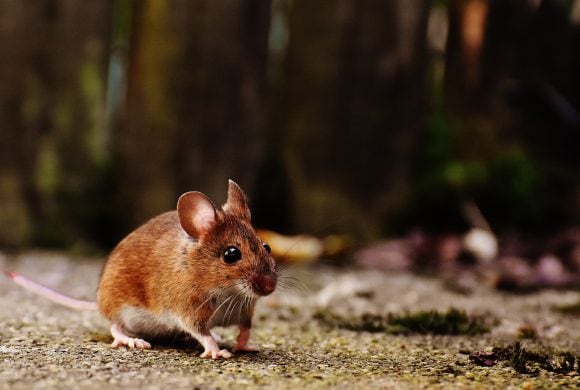
Rodents play an important role in disease ecology because they can carry pathogens that affect humans and other animals. Species such as black rats are known carriers of bacteria, viruses, and parasites associated with diseases around the world.
If degraded forests favor invasive rodents while native species disappear, disease dynamics may also shift significantly.
Scientists explain that invasive rodents often thrive in disturbed environments close to human settlements. As forests are cleared or fragmented, contact between humans and invasive animals can increase, creating more opportunities for pathogens to spread.
Researchers are careful not to claim that every invasive species automatically increases disease risk, the relationship is more complicated. However, studies in many regions show that ecosystems dominated by a few adaptable species may become more favorable for disease transmission.
This idea connects to a growing scientific concept called “One Health,” which recognizes that human health, animal health, and environmental health are closely linked. Diseases do not exist separately from ecosystems.
Changes in forests, wildlife populations, and climate conditions can all influence disease patterns. The Madagascar study helps demonstrate this concept practically.
Researchers also note that protecting forests may indirectly help reduce some health risks, since intact ecosystems can support more stable wildlife communities and reduce the dominance of invasive species.
This does not mean forest conservation alone can prevent disease outbreaks. Public health systems, medical care, and disease monitoring remain extremely important. But ecological protection may become another meaningful part of long-term prevention strategies.
Connected Than Ever

The Madagascar research reflects a broader shift in how scientists think about conservation. In the past, environmental protection was often discussed mainly in terms of saving species or preserving landscapes. Today, researchers increasingly recognize that ecosystem stability also affects food systems, climate regulation, water security, and public health.
The study’s findings suggest that even small ecological changes can have wider consequences. A missing rodent species may signal deeper shifts within an ecosystem, shifts that can eventually influence how diseases spread and how resilient forests remain.
Scientists also emphasize that stronger monitoring systems are urgently needed, particularly in tropical regions where funding and scientific resources are often limited.
Madagascar is one of the world’s most biologically unique regions, but it also faces major pressure from deforestation, agriculture, and habitat fragmentation. As forests shrink, understanding the link between biodiversity and human health becomes ever more critical.
Protecting forests may do far more than preserve biodiversity. It may also help reduce ecological instability, limit invasive species expansion, and support healthier relationships between humans and the natural world.
Sourrces:
Leave a Reply