

M83 in one of their songs Raconte‐moi une histoire told a story about a frog that can turn you into a frog too. Well, this time we are going to talk about a frog too, but we are not going to talk about the one that the girl was talking about.
Here in this article, we are going to talk about one of the most beneficial frogs on earth called Rice Paddy Frog. Talking about underrated, this creature is clearly underrated.
Want to know more? Follow through.
Talking About Rice Paddy Frog…
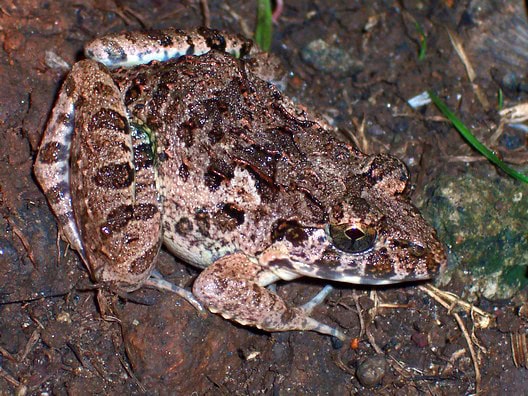
The rice paddy frog, also known as Fejervarya limnocharis or the Asian grass frog, is a small amphibian found in the rice fields and wetlands of Southeast Asia. These frogs are interesting due to their adaptability and breeding strategies.
They also play a important role in the agricultural ecosystems where they thrive. Known for their distinctive calls and interesting breeding habits, rice paddy frogs help control insect populations and serve as indicators of ecological health.
Characteristics
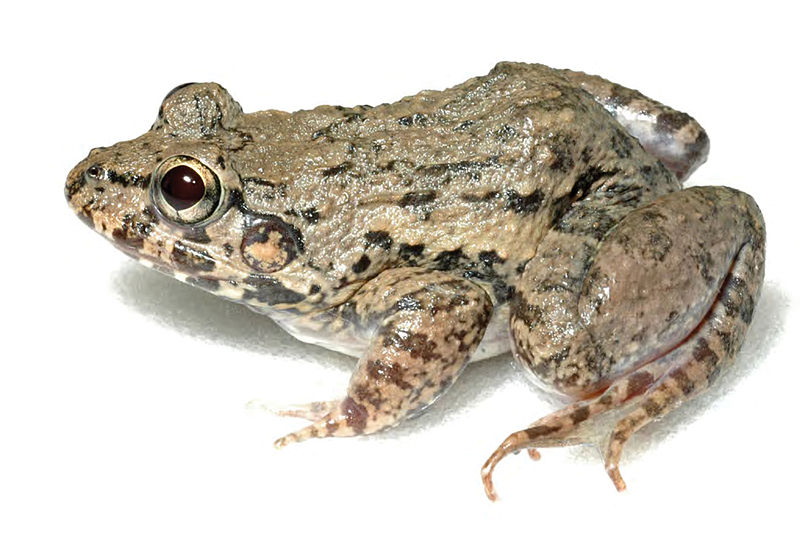
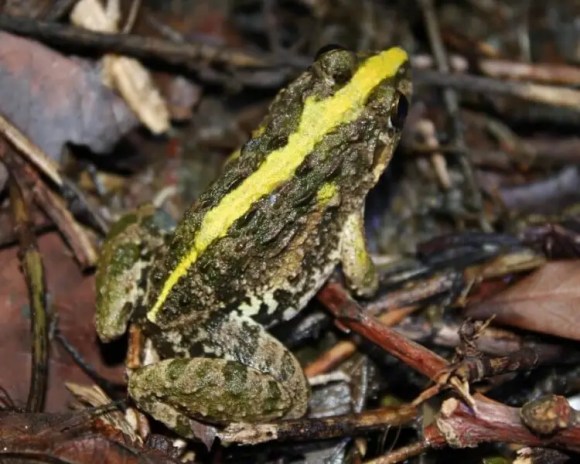
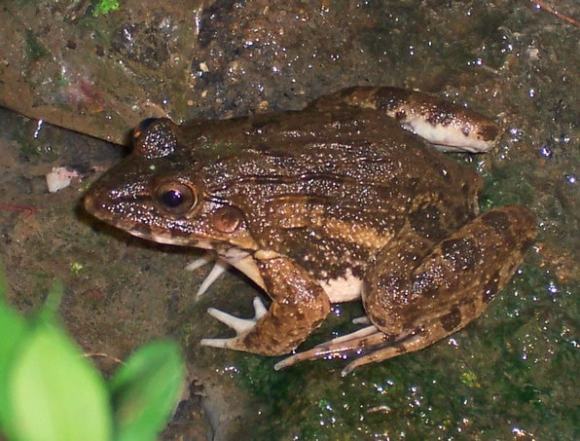
Rice paddy frogs are relatively small, typically 3 to 5 centimeters long. Their coloration varies widely, from green to brown, with some showing a mottled pattern that camouflages them among grasses and muddy waters. This color variability protects them from predators.
Their skin is smooth and moist, and they have long, slender legs adapted for jumping and swimming. Their toes are partially webbed, aiding in swimming. Males have large vocal sacs that inflate when they call to attract females during the breeding season.
These calls are loud and distinctive, often described as a repetitive “kwak-kwak-kwak” sound heard across the fields at night.
Habitats of Rice Paddy Frog
Rice paddy frogs adapt well to various wetland habitats across Southeast Asia, including rice fields, marshes, swamps, and ditches. They are particularly associated with rice paddies, where shallow water, abundant vegetation, and plentiful insect prey create an ideal environment for feeding and breeding.
Their distribution extends from India and Sri Lanka to China and Japan, and southward through Southeast Asia to Indonesia and the Philippines. Their adaptability and tolerance for agricultural landscapes contribute to their wide distribution.
Rice paddies provide abundant food and breeding sites. The standing water and lush vegetation support a various community of insects and other small invertebrates, that make up the bulk of the rice paddy frog’s diet. The flooded fields also offer ample opportunities for egg-laying and tadpole development.
Rice Paddy Frog is So Unique!
One of the most interesting aspects of rice paddy frogs is their reproductive strategy. During the breeding season, that often coincides with monsoon rains, males congregate in large numbers and call loudly to attract females. The breeding chorus can be intense, with many males calling simultaneously.
Females lay their eggs in shallow water, often attaching them to submerged vegetation or scattering them on the water’s surface. A single female can lay hundreds of eggs, that hatch into tadpoles within a few days. The tadpoles are fully aquatic and feed on algae, detritus, and small aquatic organisms.
The development of rice paddy frog tadpoles is rapid, often taking only a few weeks to transform into juvenile frogs. This quick development helps them adapt to the transient nature of their wetland habitats, that can dry out or be disturbed by agricultural activities.
Their ability to quickly transition from egg to adult allows them to exploit temporary water bodies and maximize their reproductive success.
They Play Important Role Too
Rice paddy frogs play a important role in their ecosystems. As insectivores, they help control populations of insects and other small invertebrates, many of that are pests to rice crops. By preying on these pests, rice paddy frogs contribute to the health and productivity of agricultural fields, providing a natural form of pest control that benefits farmers.
In addition to their role as predators, rice paddy frogs are an important food source for various animals. Birds, snakes, and larger amphibians all prey on rice paddy frogs, making them an integral part of the food web in their habitats. Their presence supports the diversity and stability of these ecosystems.
Rice paddy frogs are also considered bioindicators. Their health and population dynamics can reflect the overall health of their environment. Because they are sensitive to changes in water quality and habitat conditions, declines in rice paddy frog populations can signal environmental problems such as pollution, habitat destruction, or the overuse of pesticides.
Plenty Rice Paddy Frog, But Decreasing
Despite their adaptability, rice paddy frogs face several challenges that threaten their populations. Habitat loss due to agricultural expansion, urbanization, and the draining of wetlands is a significant threat.
Additionally, the widespread use of pesticides in rice farming can have detrimental effects on frog populations, either through direct toxicity or by reducing the availability of prey.
Climate change also poses a threat, as changes in precipitation patterns and temperature can alter their breeding cycles and the availability of suitable habitats. Prolonged droughts or irregular rainfall can disrupt the delicate balance of wetland ecosystems, making it difficult for these frogs to reproduce and survive.
Conservation efforts focus on saving their wetland habitats and promoting sustainable agricultural practices. Reducing pesticide use, implementing integrated pest management strategies, and protecting natural wetlands are important steps in ensuring the survival of these frogs.
Additionally, raising awareness about the ecological importance of rice paddy frogs can help garner support for their conservation.
That’s Why We Need To Learn More
The rice paddy frog is a small but interesting creature that plays a important role in the ecosystems of Southeast Asia. Their interesting adaptations, reproductive strategies, and ecological importance make them a subject of interest for both scientists and nature enthusiasts.
By understanding and appreciating the role of rice paddy frogs in their environment, we can take steps to protect these remarkable amphibians and the habitats they depend on.
Saving the health of wetland ecosystems and promoting sustainable agricultural practices are important for the continued survival of rice paddy frogs.
As we work towards a more balanced and sustainable relationship with our natural environment, the rice paddy frog serves as a reminder of the interconnectedness of all life and the importance of protecting even the smallest inhabitants of our world.
Sources:
Leave a Reply