


Environmental concerns are at the forefront of many people’s minds, and making eco-friendly choices has become increasingly important. One way to embrace a more sustainable lifestyle is by incorporating eco-friendly furniture into your home. Sustainable furniture not only reduces your carbon footprint but also adds a unique and stylish touch to your living space. This blog post explores how sustainable furniture can enhance your eco-friendly lifestyle and the various benefits it offers.
What is Sustainable Furniture?
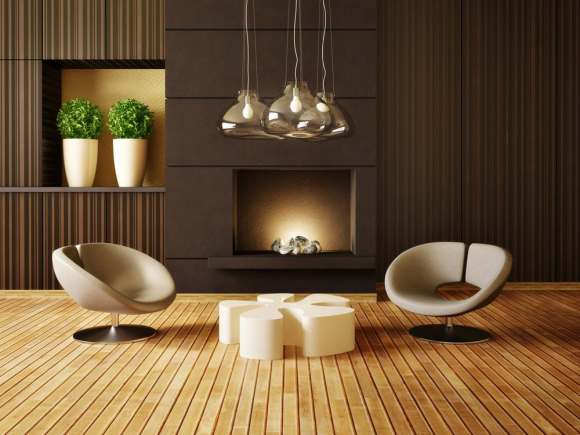
Sustainable furniture is designed and manufactured with environmentally friendly materials and processes. This type of furniture minimizes environmental impact throughout its lifecycle, from production to disposal. Sustainable furniture is made from materials such as reclaimed wood, bamboo, organic cotton, and recycled plastics. The production process often involves using renewable energy sources, reducing waste, and ensuring fair labor practices.
Benefits of Choosing Sustainable Furniture
- Reduced Environmental Impact
One of the primary benefits of choosing sustainable furniture is its reduced environmental impact. By choosing furniture made from eco-friendly materials, you help conserve natural resources and reduce waste in landfills. Sustainable furniture production often uses renewable energy sources, minimizing greenhouse gas emissions and combating climate change.
- Improved Indoor Air Quality
Many conventional furniture pieces, including custom sectional couches, contain harmful chemicals such as formaldehyde, which can off-gas into the air and lead to indoor air pollution. Sustainable furniture, on the other hand, is made from non-toxic materials that do not release harmful chemicals into your home, even when creating a custom sectional couch tailored to your space. This promotes better indoor air quality, creating a healthier living environment for you and your family.
- Durability and Longevity
Sustainable furniture is often crafted with high-quality materials and construction techniques, ensuring its durability and longevity. By investing in well-made, sustainable pieces, you can enjoy your furniture for many years, reducing the need for frequent replacements. This not only saves you money in the long run but also contributes to a more sustainable lifestyle by minimizing waste.
| Feature | Sustainable Furniture | Conventional Furniture |
| Materials | Eco-friendly, non-toxic | Often contains harmful chemicals |
| Production | Sustainable processes, reduced waste. | High environmental impact |
| Durability | High-quality, long-lasting | Varies, often lower quality |
| Style | Unique, varied designs | Mass-produced, limited variety |
| Environmental Impact | Minimal, reduces carbon footprint | Significant, contributions to pollution |
- Unique and Stylish Designs
Sustainable furniture offers a wide range of unique and stylish designs that can complement any home decor. From rustic reclaimed wood dining tables to sleek bamboo bookcases, eco-friendly furniture comes in various styles and finishes to suit your taste. Incorporating sustainable pieces into your home creates a beautiful and environmentally conscious living space that reflects your values.
Types of Sustainable Furniture Materials

- Reclaimed Wood
Reclaimed wood is popular for sustainable furniture. This material is sourced from old buildings, barns, and other structures no longer in use. By repurposing this wood, furniture makers give new life to materials that would otherwise end up in landfills. Reclaimed wood furniture adds rustic charm to your home while telling a unique story of its past.
- Bamboo
Bamboo is a fast-growing, renewable resource that has gained popularity in the sustainable furniture industry. It is strong, durable, and versatile, making it an excellent choice for a wide range of furniture pieces. Bamboo furniture has a modern and minimalist aesthetic that can complement various interior design styles.
- Organic Cotton
Organic cotton is a great choice for upholstered sustainable furniture. Unlike conventional cotton, which is heavily treated with pesticides and chemicals, organic cotton is grown without the use of harmful substances. This makes it a healthier option for you and the environment. Organic cotton furniture is soft, and comfortable, and adds a cozy touch to your living space.
- Recycled Plastics
Recycled plastics are another material used in sustainable furniture production. By repurposing post-consumer plastics, furniture makers reduce the amount of waste that ends up in landfills and oceans. Recycled plastic furniture is durable, weather-resistant, and easy to maintain, making it a practical choice for both indoor and outdoor use.
How to Incorporate Sustainable Furniture into Your Home

- Start Small
If you are new to sustainable furniture, start by incorporating a few key pieces into your home. This might be a reclaimed wood coffee table, a bamboo bookshelf, or an organic cotton armchair. As you become more comfortable with eco-friendly furniture, gradually add more pieces to your collection.
- Mix and Match
Don’t feel like you need to replace all your furniture at once. Sustainable furniture can easily be mixed and matched with your existing pieces. Look for items that complement your current style and color scheme, and gradually replace old furniture as it wears out.
- Shop from Reputable Brands
When shopping for sustainable furniture, it’s essential to choose reputable brands that are transparent about their materials and production processes. Look for companies that have certifications from organizations such as the Forest Stewardship Council (FSC) or the Global Organic Textile Standard (GOTS). These certifications ensure that the furniture is made from environmentally friendly materials and adheres to strict sustainability standards.
- Consider Second-Hand Options
Another way to incorporate sustainable furniture into your home is by opting for second-hand pieces. Shopping at thrift stores, antique shops, or online marketplaces can help you find unique and eco-friendly furniture at a fraction of the cost of new items. By giving pre-loved furniture a new home, you are reducing the demand for new production and keeping usable items out of landfills.
Key Takeaways
- Sustainable furniture is made from eco-friendly materials and produced through environmentally conscious processes.
- Choosing sustainable furniture reduces your carbon footprint, improves indoor air quality, and promotes durability and longevity.
- Sustainable furniture materials commonly include reclaimed wood, bamboo, organic cotton, and recycled plastics.
- Look for certifications from organizations like FSC and GOTS to identify reputable sustainable furniture brands.
- Sustainable furniture can easily be mixed and matched with your existing pieces, allowing for a gradual transition to a more eco-friendly home.
Frequently Asked Questions

What is sustainable furniture, and how does it differ from conventional furniture?
Sustainable furniture is made from eco-friendly materials and eco-conscious processes, minimizing environmental impact compared to conventional furniture.
What are the environmental benefits of choosing sustainable furniture?
Sustainable furniture reduces your carbon footprint, conserves resources, promotes better indoor air quality, and supports renewable energy use in production.
What are some common materials used in sustainable furniture production?
Sustainable furniture materials commonly include reclaimed wood, bamboo, organic cotton, and recycled plastics.
How can I identify genuinely sustainable furniture brands?
Look for certifications like FSC or GOTS, and research the brand’s transparency regarding materials and production processes.
Can I mix sustainable furniture with my existing pieces?
Yes, sustainable furniture can be easily mixed with existing pieces, allowing for a gradual transition to an eco-friendly home.
Conclusion
Incorporating sustainable furniture into your home is an effective way to enhance your eco-friendly lifestyle. By choosing furniture made from environmentally friendly materials and produced through sustainable processes, you contribute to conserving natural resources, reducing waste, and creating a healthier living environment for yourself and your family. Sustainable furniture also offers a wide range of unique and stylish designs that can complement any home decor. As more people choose eco-friendly living, the demand for sustainable furniture will grow, driving positive change and benefiting the planet.
Leave a Reply