


Healing the planet is the responsibility of everyone, regardless of their profession or business sector. However, being eco-conscious is more difficult for those in some sectors due to the resource-intensive nature of the business.
Construction is one field that is unfortunately quite polluting to the environment at nearly every part of the life cycle. From the destructive chemicals necessary to create products to the amount of waste generated, construction releases toxins into the soil, causes air pollution, and can even poison the water supply, leading to costly legal battles over liability.
This doesn’t mean that it’s not possible to be environmentally conscious in construction; in fact, many advancements in construction technology provide hope that this vital industry can be a net positive for the environment, as well as for society at large.
Partnering With Green Building Advocacy Pushes for a Better World

Right at the start, construction companies and would-be contractors can rely on the expert advice of those researching these issues when deciding on their business model. The US Green Building Council is the leading nonprofit seeking to make more environmentally friendly, energy-efficient, building practices the norm throughout the country.
This membership-based nonprofit has been in operation since 1993, remaining at the cutting edge of sustainability; in fact, the organization developed the LEED rating system, still known as the gold standard for sustainable design.
The USGBC operates chapters throughout the United States for contractors and others in the construction industry. Getting involved with your local chapter can provide deep insights and vital networking regarding eco-friendly practices.
For example, when researching how to get a general contractor license in TN, consider signing up for an event with the Tennessee USGBC chapter along with a test prep program; these events focus on local issues as well as more global concerns with building.
Not only will you start your career committed to sustainability, but you’ll also gain vital connections and a deeper understanding of how contracting contributes to environmental degradation in Tennessee specifically.
Working Local Reduces a Company’s Carbon Footprint

A little-discussed source of construction pollution is transportation and disposal. Moving building materials from place to place releases huge amounts of exhaust, as the trucks necessary to transport these bulky items often run on diesel. Additionally, discarding materials during demolition fuels the need for even more manufacturing, which again must be transported to a job site.
The solution here is to reuse sound products from construction sites, such as timber or cement – and store them nearby. A study completed by the Massachusetts Institute of Technology found that storing recycled timber within a radius of approximately 2 miles from a construction site can dramatically slash emissions, as there is less fuel needed to transport the bulky products from place to place.
Construction companies can make a commitment to reducing their emissions by relying on local, salvaged products whenever possible, storing them close to the job site and working with nearby vendors rather than ordering products far away.
They can also work with advocacy groups to campaign for more mixed-used zoning sites in their area, which will enable them to store materials closer to the areas in which they work. This may require policy changes, but showing the net benefit of this will make a big difference for the industry as a whole.
New Materials Promise More Sustainability
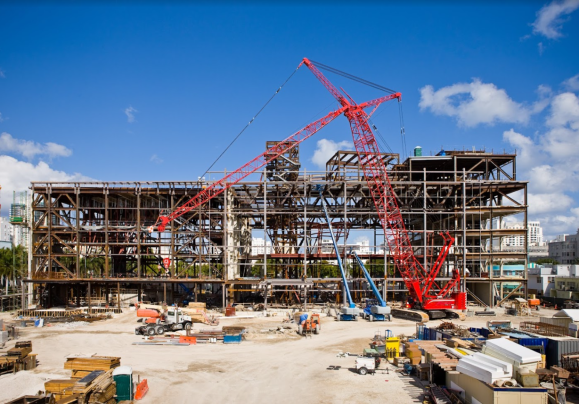
Record-breaking temperatures around the world can be attributed to many factors, but it’s undeniable that construction plays a part in climate change. The huge amounts of carbon dioxide released by manufacturing building materials represents a serious challenge for those seeking greater sustainability in their construction practices.
Thankfully, though, building practices are changing for the better, and it’s all thanks to new innovations in construction materials. There are a variety of products in development that promise to reduce carbon emissions – or even soak it up altogether.
One of these is ferrock, which is a composite of steel dust, ground up glass, water, and binding agents. Not only does this use recycled materials that would otherwise be discarded during the manufacturing process, but it actually soaks up carbon during the hardening process, meaning that it is carbon negative.
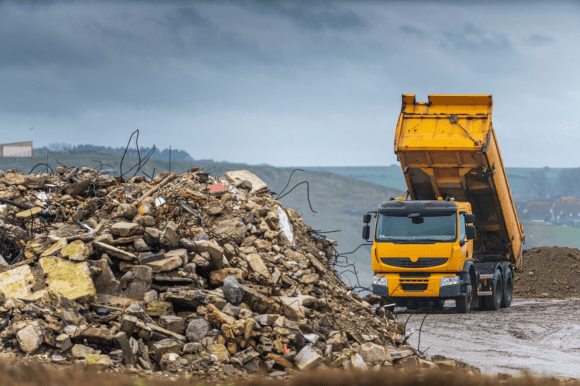
Few other materials can boast such an impressive feat. There are also options that are made with fly ash and even mushrooms, all promising to pave the way toward a cleaner future.
Adopting these materials is one way that construction companies can make a huge difference in their carbon footprint. However, contractors will need to discuss these options beforehand with customers and demonstrate why they are just as good as, if not better, than the traditional building materials like cement and concrete.
It is possible, though not always easy, to become a more eco-friendly construction business, but it starts with a commitment to sustainability. Those currently studying for their contractor license, whether in Tennessee or elsewhere, should continue to research alternatives to current construction practices and network with advocacy groups who are equally committed to building a better world for us all.
Leave a Reply