


In the concrete jungles of urban environments, the idea of cultivating a garden may seem like a distant dream for many. However, a growing trend is challenging this notion, bringing greenery and sustainability into the heart of compact living spaces. Small-space gardening has emerged as a beacon of hope for urban dwellers, offering innovative solutions to maximize sustainability and reconnect with nature, even within the confines of apartments, condos, and tiny homes.
Embracing the Green Revolution

There has been a notable shift towards sustainable living practices in recent years, driven by concerns over environmental degradation and climate change. As part of this movement, small-space gardening has gained traction as a practical and accessible way for urban residents to reduce their ecological footprint and live more harmoniously with nature.
Individuals can play a significant role in promoting biodiversity, improving air quality, and fostering a sense of community within urban landscapes by cultivating gardens in compact quarters.
Innovative Techniques for Limited Spaces
One of the key challenges of small-space gardening is effectively maximizing the use of limited space. Fortunately, various innovative techniques and space-saving strategies can help urban gardeners make the most of their available square footage.
Vertical gardens, for example, utilize vertical wall space to grow a variety of plants, from herbs and flowers to leafy greens and even small fruiting varieties. These living walls add visual interest to indoor and outdoor spaces and provide a bountiful harvest of fresh produce.
Window boxes and balcony gardens offer another practical solution for urban gardeners with limited outdoor space. These compact gardens can be easily installed on windowsills, balconies, or railings, allowing individuals to grow herbs, flowers, and even vegetables in small containers.
With proper sunlight and care, these miniature gardens can flourish, providing a touch of greenery and freshness to urban living spaces.
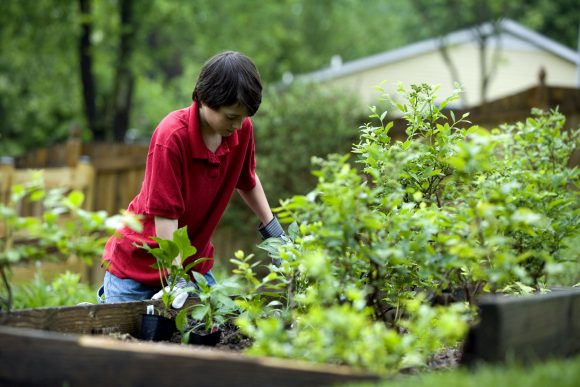
Compact raised beds are another popular option for small-space gardening, allowing individuals to create productive growing areas in confined spaces. These elevated planters can be customized to fit the dimensions of balconies, patios, or rooftops, providing a dedicated space for growing a variety of crops.
By utilizing square-foot gardening techniques and intensive planting methods, urban gardeners can maximize yields while minimizing space requirements, making efficient use of every inch of available space.
Container gardens are perhaps the most versatile option for small-space gardening, offering endless possibilities for growing a wide range of plants in containers of various sizes and shapes. There are countless options for creative container gardening in urban environments, from traditional terracotta pots to repurposed containers and recycled materials.
Whether it’s a compact herb garden on a windowsill or a vibrant salad garden on a patio, container gardens provide flexibility and mobility, allowing individuals to adapt their gardens to changing needs and environments.
The Benefits of Small-Space Gardening

Beyond the practical considerations of space and resource management, small-space gardening offers a host of benefits for urban residents. Individuals can reduce their reliance on store-bought produce by cultivating gardens in compact quarters, minimizing food miles and packaging waste associated with conventional agriculture.
Additionally, gardening has been shown to have therapeutic benefits, promoting stress relief, mental well-being, and physical health. Moreover, small-space gardens serve as valuable habitats for pollinators and beneficial insects, contributing to urban biodiversity and ecosystem health.
Sustainable Fruits and Vegetables for Small-Space Gardens
When it comes to selecting crops for small-space gardens, certain fruits and vegetables stand out for their sustainability and versatility.
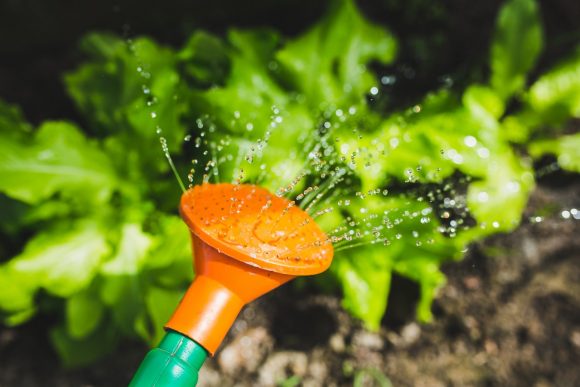
Leafy greens such as lettuce, kale, and spinach are ideal choices for small containers or raised beds, as they require minimal space and can be harvested continuously throughout the growing season.
These nutritious greens can be used in salads, sandwiches, smoothies, and stir-fries, providing a fresh and healthy addition to everyday meals.
Avocado trees are renowned for their creamy fruits and nutritional benefits, making them a desirable addition to any small-space garden. While traditional avocado trees can grow quite large, dwarf varieties are well-suited for container gardening, making them an excellent choice for urban environments. With proper care and attention, avocado trees can thrive in pots or containers on balconies, patios, or even indoors near sunny windows.
Aside from their delicious fruits, avocado trees offer additional benefits for small-space gardens. Their lush foliage provides shade and shelter for other plants, creating a microclimate that promotes healthy growth.
Avocado trees also act as natural air purifiers, removing pollutants and improving air quality in indoor and outdoor spaces.
Moreover, avocado pits can be sprouted and grown into new trees, allowing urban gardeners to propagate their avocado orchards and share the guacamole bounty with friends and neighbors.
Herbs such as basil, parsley, and cilantro are another sustainable option for small-space gardens, offering robust flavors and culinary versatility.
These aromatic herbs can be grown in compact containers on windowsills or balconies, providing a convenient source of fresh seasoning for home-cooked dishes. Additionally, herbs can be dried or preserved for long-term use, ensuring a steady supply of flavor-enhancing ingredients year-round.

Tomatoes, peppers, and eggplants are popular choices for small-space gardens, as they can be grown in containers or compact raised beds with adequate sunlight and support.
These versatile vegetables can be used in a variety of dishes, from salads and salsas to sauces and stews, adding color, flavor, and nutritional value to meals.
By growing their produce at home, urban gardeners can reduce their reliance on store-bought vegetables, minimizing packaging waste and transportation emissions associated with conventional agriculture.
In conclusion, small-space gardening represents a beacon of hope for urban residents seeking to embrace sustainability and reconnect with nature in the midst of bustling cityscapes.
By utilizing innovative techniques and space-saving strategies, individuals can transform even the smallest of living spaces into vibrant oases of greenery and productivity.
As the green revolution continues to gain momentum, small-space gardening offers a practical and accessible pathway towards a more sustainable and harmonious way of life in the concrete jungles of urban environments.
Leave a Reply