

The history of lighting is a story of incredible progress. From candles and whale oil lamps to modern Light-emitting diodes bulbs, the cost of lighting has dropped dramatically over the years. This progress not only makes our lives brighter but also offers hope for tackling the climate crisis.
The rapid adoption of LED lighting shows how technological breakthroughs can lead to significant energy savings and environmental benefits.
Here, in this article, we are going to talk about the advancement of technology, especially in terms of lighting technology, which as a result now getting greener and greener day by day.
The Evolution of Lighting

In the past, lighting was expensive and inefficient. In 1851, the average worker had to work half a day to earn enough money to light their home for just one hour. Back then, people relied on candles and whale oil lamps, which were not only costly but also harmful to the environment.
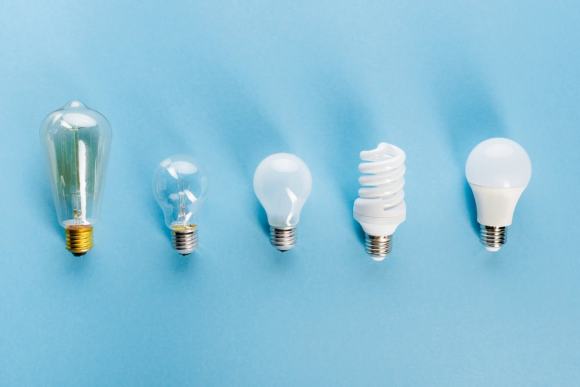
Over time, lighting technology improved. Compact fluorescent bulbs (CFLs) replaced incandescent bulbs, offering better energy efficiency. But the real game-changer came with the invention of Light-emitting diodes (LEDs).
Light-emitting diodes are incredibly efficient, lasting longer and using far less energy than traditional bulbs.
Today, the cost of lighting has dropped so much that it’s almost free. For example, in 2022, it costs about 0.11 cents to produce 1,000 lumens of light for one hour using Light-emitting diodes. That’s half the cost of CFLs in the 1990s.
This dramatic drop in price has made Light-emitting diodes the go-to choice for lighting around the world. Now, almost everyone, especially in the cities, have LEDs in their homes which means they are saving more energy. Click here to find out energy saving outdoor LED strip lights that will brighten up your outdoor living space.
What This Means for the Climate Crisis

The story of Light-emitting diodes is more than just a tale of technological progress—it’s a lesson in how innovation can help address the climate crisis. Light-emitting diodes use up to 90% less energy than traditional incandescent bulbs, which means they significantly reduce greenhouse gas emissions.
The rapid adoption of Light-emitting diodes shows how quickly new technologies can spread when they offer clear benefits. This gives hope for other climate-friendly technologies, such as solar panels, electric vehicles, and heat pumps.
Like Light-emitting diodes, these technologies have the potential to transform our energy systems and reduce our carbon footprint. Even though many still consider it is not as effective as other methods to save the energy consumption, but it is now being done globally.
Global change into a greener technology surely will propel us into the greener path, because who would not want to follow the trend that their neighbors set? If the whole neighborhood choose this greener energy and compliment it in a barbeque party, who would resist it?
Tectonic Shifts in Technology
Economist William Nordhaus has categorized technological advancements into three distinct types based on their impact and nature. First are “run-of-the-mill” changes, representing small, incremental improvements to existing products, such as refinements in furniture design or enhancements in food quality.
Next are “seismically active sectors,” characterized by significant quality improvements in recognizable products. A prime example is the evolution of watches: while still fulfilling their primary function of timekeeping, modern smartwatches offer a vastly expanded range of features, including heart rate monitoring.
Finally, “tectonic shifts” denote radical innovations that fundamentally alter existing technologies, bearing little resemblance to their predecessors.
Light-emitting diodes (LEDs) perfectly illustrate this category, representing a complete departure from candles and incandescent bulbs and offering significantly greater efficiency and versatility.
Nordhaus argues that tectonic shifts, like the rise of Light-emitting diodes, are often underestimated. They can lead to massive improvements in quality of life and energy efficiency.
Light-Emitting Diodes Wasn’t Accident
The success of Light-emitting diodes didn’t happen by accident. It was driven by a combination of innovation, policy, and consumer demand. Governments around the world have introduced regulations to phase out inefficient bulbs, encouraging the adoption of Light-emitting diodes.
Similarly, tackling the climate crisis will require a mix of technological innovation and supportive policies. For example, governments can promote renewable energy, electric vehicles, and energy-efficient buildings through incentives and regulations.
The story of light-emitting diodes (LEDs) provides valuable insights for tackling the climate crisis. First, it underscores the importance of technological breakthroughs. Innovations like LEDs demonstrate the potential for significant energy savings and corresponding environmental benefits.
Second, the LED story highlights the crucial role of policy. Government policies can play a key part in accelerating the adoption and widespread implementation of new, beneficial technologies.
Finally, consumer demand is a powerful driver of change. Yes, we all as consumers also have the power to change the course of history only by demanding more of the greener version of anything, and LED proves it.
In this case, when individuals recognize the advantages of a new technology, as with the efficiency and cost-effectiveness of LEDs, they are often quick to embrace it, further contributing to its success and positive impact.
Light-Emitting Diodes and Beyond

Just as Light-emitting diodes revolutionized lighting, other technologies are poised to transform how we heat our homes and power our lives. Heat pumps, for example, are highly efficient systems that can heat and cool homes using electricity instead of fossil fuels. Like Light-emitting diodes, they offer significant energy savings and environmental benefits.
Another promising technology is induction cooking, which uses electricity instead of gas to cook food. These innovations, combined with renewable energy sources like solar and wind power, can help us transition to a low-carbon future.
The history of lighting shows how technological breakthroughs can lead to dramatic improvements in energy efficiency and quality of life. LED have transformed the way we light our homes, saving energy and reducing emissions in the process.
This success story offers hope for tackling the climate crisis. By investing in innovative technologies and supportive policies, we can achieve similar breakthroughs in other areas, from transportation to heating and cooling. The future is bright—and with the right choices, it can be sustainable too.
Sources:
Leave a Reply