

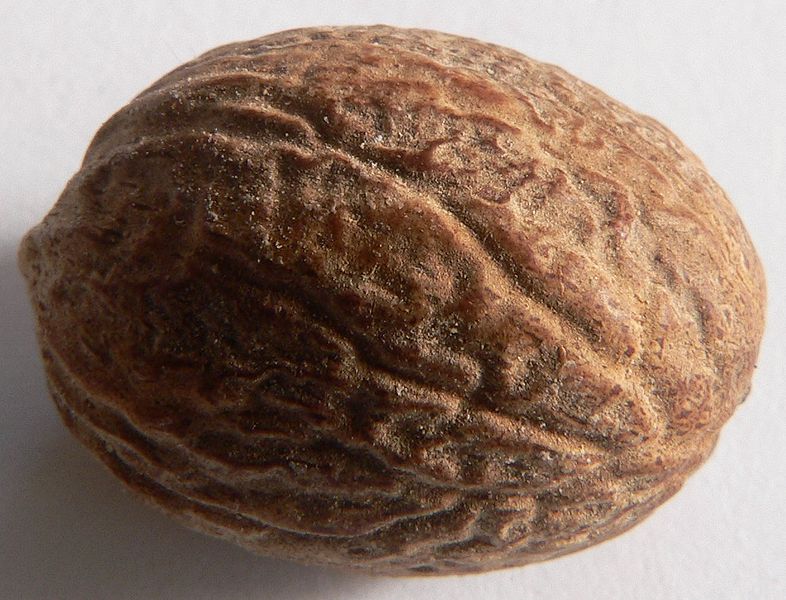
There is one kind of spice that brought European people to the ocean back in 15th century. The spice is called nutmeg, which can be found in Indonesia, especially in Maluku area.
Up until now, nutmeg, with its warm, spicy aroma and diverse uses, is one of the world’s most cherished spices. It comes from the seeds of the nutmeg tree, which has been valued for centuries for both its flavor and medicinal properties.
In this article, let’s talk about a spice that brought European colonies into the ocean back then.
Even Its Name is ‘Fragrans’
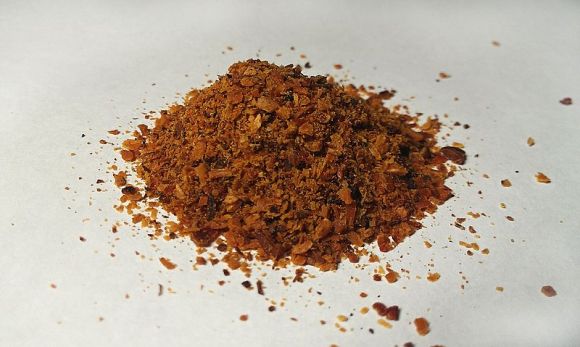
Nutmeg, scientifically known as Myristica fragrans, is a tropical evergreen tree native to the Spice Islands (also known as the Moluccas), a part of Indonesia. Today, nutmeg is grown in several tropical regions, including the Caribbean, particularly Grenada, which is known as the “Island of Spice.”
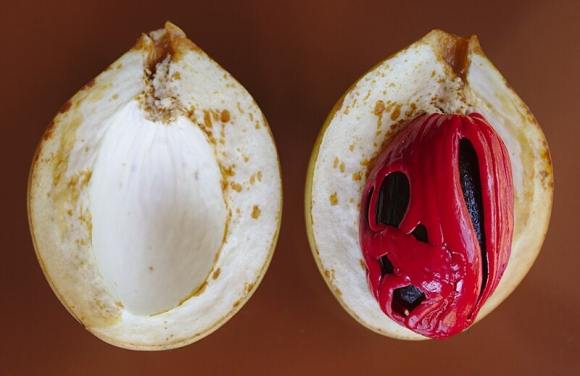
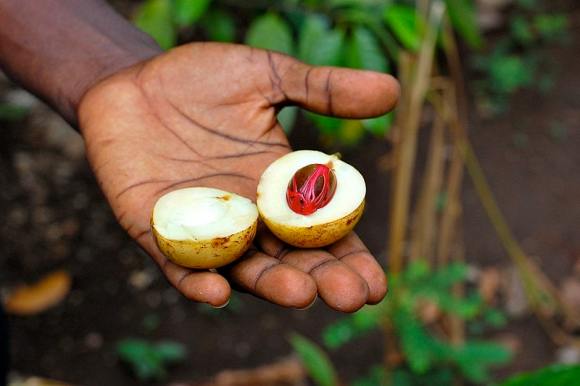
The nutmeg tree can grow up to 20 meters (65 feet) tall and is known for its aromatic seeds and fruit. The tree produces a unique fruit that resembles a small peach or apricot. Inside this fruit is a seed covered in a bright red, lacy structure called mace, which is another valuable spice. When the fruit is ripe, it splits open, revealing the seed inside, which is nutmeg. Once harvested, the nutmeg seeds are dried and processed to produce the spice we commonly use.
Nutmeg has a long history and has been cherished for its flavor, medicinal uses, and cultural significance. What makes nutmeg unique is that it gives us two distinct spices: nutmeg from the seed and mace from the red covering around the seed.
The tree is also highly adaptable, thriving in warm, humid climates with well-drained soil, which is why it has spread to various tropical regions around the world.
Cooking with Nutmeg
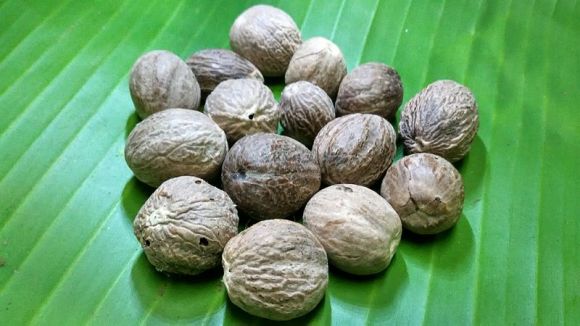
Nutmeg is widely used in cooking and has a distinctive, sweet, and slightly spicy flavor that enhances both sweet and savory dishes. In baking, it’s a key ingredient in pies, cookies, cakes, and custards, adding a rich, warm depth to the flavor profile. Nutmeg is also used in beverages like eggnog, chai tea, and mulled wine, especially during the colder months.
In savory cooking, nutmeg is often added to creamy dishes like soups, sauces, and mashed potatoes. It’s a classic component in béchamel sauce and enhances the taste of vegetables like spinach, carrots, and squash. Nutmeg is often paired with cinnamon, cloves, and cardamom in spice blends, giving traditional dishes a complex flavor.
Beyond its culinary uses, nutmeg offers several health benefits. It is known for aiding digestion and relieving symptoms like gas, bloating, and indigestion. Nutmeg also has antioxidant properties, which can help fight oxidative stress and improve overall health. Additionally, nutmeg is sometimes used as a natural sleep aid due to its mild sedative properties.
However, nutmeg should be used with caution. In large quantities, nutmeg can be toxic and has psychoactive effects, including hallucinations. Consuming too much nutmeg can lead to symptoms like nausea, dizziness, and confusion, so it’s important to use it sparingly.
History and Cultural Impact of Nutmeg
Nutmeg has played a significant role in history, especially during the spice trade in the 15th and 16th centuries. At one point, nutmeg was so highly prized that it was worth more than its weight in gold. European explorers, including the Portuguese and Dutch, sought control of the Spice Islands to monopolize the nutmeg trade. Wars were even fought over these valuable islands, which highlights nutmeg’s immense historical value.
In traditional medicine, nutmeg has been used for centuries to treat various ailments. Ancient civilizations used it as a remedy for digestive problems, pain relief, and even to improve cognitive function. In Ayurvedic and Chinese medicine, nutmeg was believed to have warming properties that could help balance the body’s energy.
Nutmeg also holds cultural significance in rituals and celebrations. In Indonesia, nutmeg was sometimes used in ceremonies as a symbol of good luck and protection. In Western cultures, especially around the holidays, nutmeg is often associated with Christmas due to its use in festive foods and drinks like gingerbread and eggnog.
In many parts of the world, nutmeg continues to be an important part of everyday cooking and is deeply ingrained in the cultural fabric of various cuisines. From Indian curries to Caribbean stews, nutmeg’s unique flavor adds richness to traditional dishes across the globe.
The Important Tree
In addition to its culinary and cultural value, the nutmeg tree also plays an important role in the environment. Nutmeg trees contribute to biodiversity in tropical regions, providing shade and habitat for a variety of species. The flowers of the nutmeg tree attract pollinators like bees, while its fruits and seeds are a food source for local wildlife.
Nutmeg trees are cultivated primarily in tropical areas where conditions are ideal for their growth. Sustainability is a key concern in the cultivation of nutmeg. The harvesting process is relatively eco-friendly, as the fruits are harvested by hand, allowing for a low environmental impact. Farmers often practice sustainable farming methods to ensure that nutmeg trees continue to thrive without damaging the surrounding ecosystems.
One of the challenges in nutmeg production is the potential threat of deforestation and habitat loss in some regions, particularly in the Spice Islands. As demand for nutmeg grows worldwide, maintaining sustainable farming practices is important to protect both the environment and the livelihoods of the farmers who rely on nutmeg cultivation.
Nowadays, several impactful efforts are being made to promote sustainable production and conservation of the natural habitats where nutmeg trees grow. Supporting fair trade and organic nutmeg helps ensure that the spice is produced in a way that is environmentally responsible and socially equitable.
Nutmeg is more than just a spice; it is a plant with a rich history, cultural importance, and a variety of uses. From enhancing our food to offering health benefits and playing a key role in ecosystems, nutmeg continues to be a valuable resource in both traditional and modern societies.
Well, isn’t nutmeg a great spice to talk about?
Sources:
https://www.thejakartapost.com/
Leave a Reply