

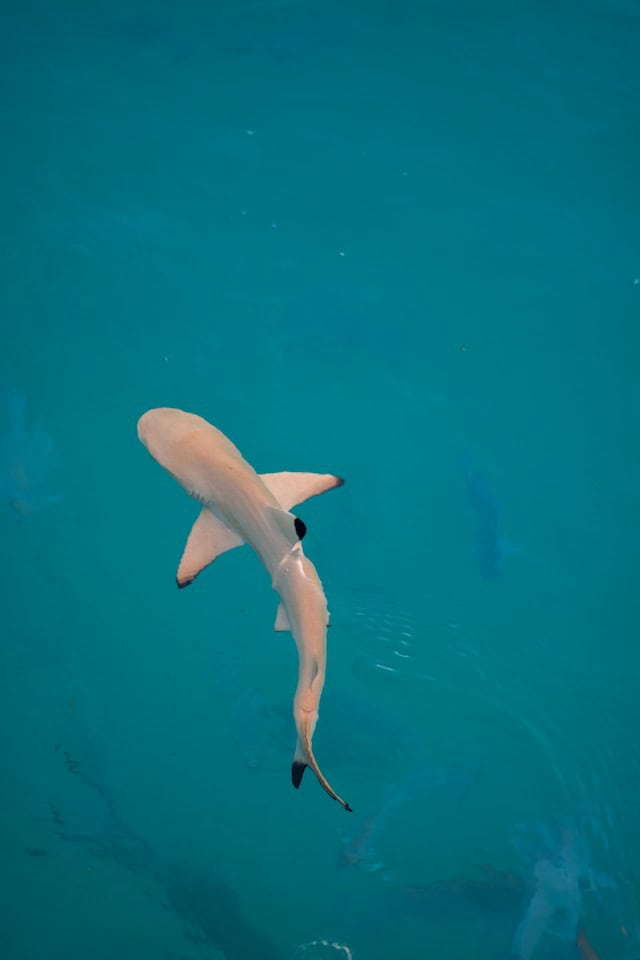
Sharks and rays are some of the most important animals in the ocean, but today they are facing a serious decline.
These animals have lived in the ocean for millions of years, yet human activities are now putting many species at risk.
Scientists say that more than one-third of all shark and ray species are threatened with extinction. This means that many of them could disappear in the near future if no strong action is taken.
Want to talk more about it? Let’s find out more here.
The Problem and The Response 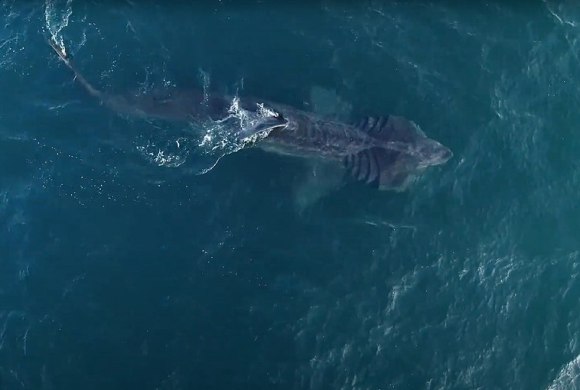
To respond to this problem, a major global event called Sharks International 2026 will take place in Colombo, Sri Lanka, from May 4 to May 8. This conference happens once every four years and is the largest meeting in the world focused on sharks and rays. Experts from many countries will come together to share research and discuss solutions.
Daniel Fernando, one of the organizers, explained that “the conference will focus more on the urgent global priorities for shark and ray conservation.” This shows that the situation is serious, but it can still be improved if people work together.
The Sharks International conference has been held in several countries before, including Australia, South Africa, Brazil, and Spain. However, the 2026 meeting is the first time the event will be held in Asia. This is important because Asia plays a very big role in fishing and marine biodiversity.
A Global Conference for Shark Protection

The conference will bring together many different groups of people. These include scientists, government officials, conservation workers, and fisheries managers. Students and young researchers will also take part. The goal is to share knowledge and find ways to protect shark populations.
One of the main topics at the conference is how to stop the decline of sharks. Many sharks are caught as bycatch, which means they are caught by accident in fishing nets.
Others are hunted for their fins, meat, and other body parts. Experts will also discuss how to improve monitoring systems and increase protected areas in the ocean.
The Indian Ocean is one of the most important regions for this discussion. It is rich in marine life, but it is also one of the most heavily used areas for shark fishing. Because of this, the conference in Sri Lanka is seen as very important for global conservation efforts.
Barriers to Participation and Knowledge Sharing

Another issue in shark conservation is the lack of participation from developing countries. Many scientists from regions such as South Asia and Southeast Asia have important data about sharks, but they often cannot attend international conferences. This is mainly because of visa problems and high travel costs.
Fernando said, “The data do exist, but representation of scientists and students from the Global South has historically been limited.” This means that useful information is available, but not everyone has the chance to share it.
To solve this problem, the organizers of Sharks International 2026 are making the event more inclusive. They are offering travel grants and financial support for participants. They also chose Sri Lanka because it has easier visa access compared to many other countries.
These steps are very important because many shark fisheries are located in developing regions. If local scientists and experts can join the discussion, the solutions will be more practical and effective. When more people are involved, it becomes easier to understand the real situation and find better answers.
The conference also wants to support young scientists and students. By giving them opportunities to join, the event helps build the next generation of conservation experts.
The Situation in Sri Lanka
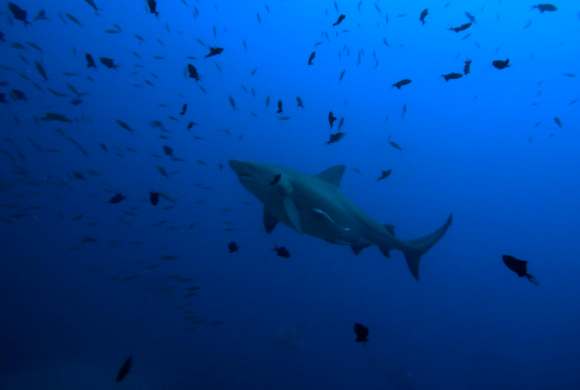
Sri Lanka is a key location for this conference because it has a very rich marine ecosystem. Scientists have recorded about 105 species of sharks and rays in its waters. These include reef sharks, hammerhead sharks, manta rays, and many others. Some recent studies even suggest that there may be new species that have not yet been fully studied.
However, the condition of these species is very worrying. Many of them are in danger due to overfishing and high demand for shark products. In some cases, species have already disappeared. For example, sawfishes are no longer found in Sri Lankan waters. Other species, such as wedgefishes, are also close to extinction.
Fishing is a very important activity in Sri Lanka. Many coastal communities depend on it for food and income. Because of this, sharks and rays are often caught in large numbers. Some are caught on purpose, while others are caught accidentally.
Fernando explained that more than 70 species in Sri Lanka face high levels of risk, but only five are protected by law. This shows a large gap between the problem and the current solutions. Without stronger laws and better enforcement, the situation may continue to get worse.
The government has started to take some steps. For example, they use vessel monitoring systems to track fishing activity. However, these efforts are still not enough. More action is needed to protect both the animals and the people who depend on them.
A Turning Point for Shark Conservation
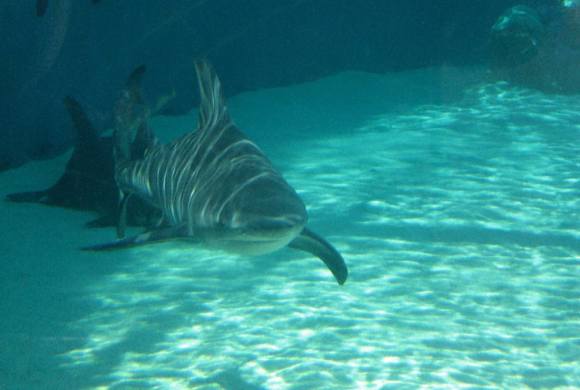
The Sharks International 2026 conference comes at a very important moment. Shark populations are still declining around the world, but new tools and technologies are now available to help protect them. These include better tracking systems, improved regulations, and stronger international cooperation.
The main challenge is not only understanding the problem, but also taking action. Scientists already know many of the causes of shark decline, but this knowledge does not always lead to real change. In many cases, laws are not enforced properly, especially in the open ocean.
Fernando pointed out that the Indian Ocean is both a biodiversity hotspot and a heavily exploited region. This makes conservation more difficult, but also more urgent. If action is taken now, there is still a chance to protect these species.
The conference will focus on an important question: why does scientific knowledge not always lead to effective protection? Finding the answer to this question is key to solving the problem.
In the end, sharks are not only important for the ocean, but also for people. They help keep marine ecosystems balanced, and their loss could affect many other species. They also support fishing industries and tourism in many parts of the world.
Sources:
Leave a Reply