

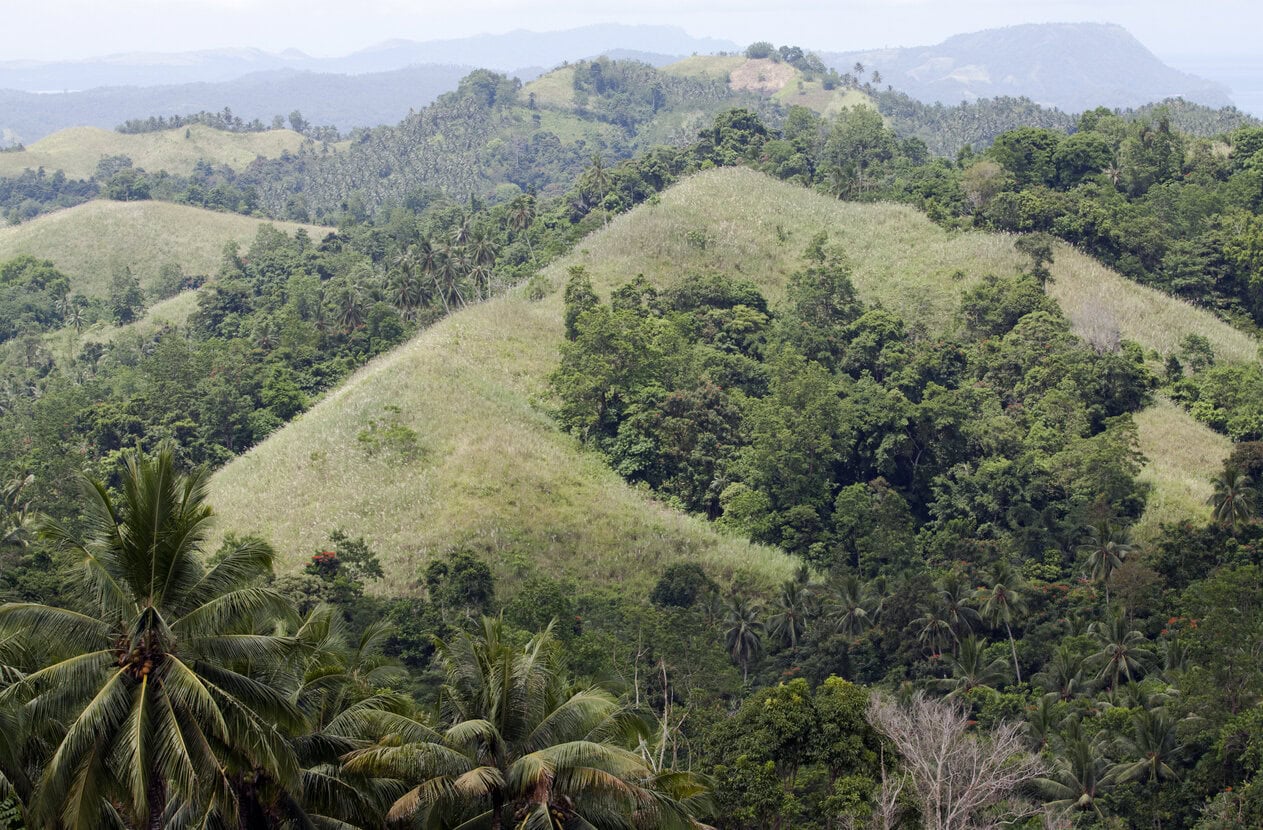
Saying something and actually doing it are two very different things. Indonesia’s government just made a big announcement about forests and rice, and plenty of people are asking whether the actions will match the words.
On October 6, presidential representative Hashim Djojohadikusumo said Indonesia reached rice self-sufficiency three years ahead of schedule. So the country no longer needs 2 million hectares of forest zones once planned for food production.
Sounds like great news. But the details are intriguing, and here is why.
A Big Promise
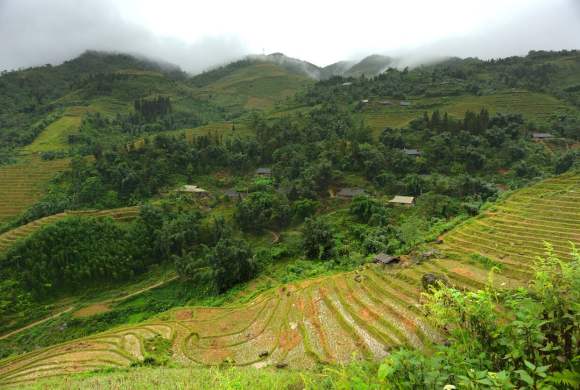
Good news deserves a closer look. The announcement sounds simple, yet other government moves tell a different story. Here is what officials said, and why environmental groups are not ready to celebrate just yet, even though the direction sounds positive on paper.
Hashim said the government sees no further need to expand rice cultivation into forest areas. Mari Pangestu, another presidential envoy, added that future food and biofuel production would go to degraded land. Environmentalists had called the earlier push one of the world’s largest deforestation projects.
Here’s the catch. Less than two weeks earlier, the Ministry of Forestry marked about 5.67 million hectares of forest as areas that could be proposed for permits, including for food security and energy. That’s a lot of forest still sitting on the table.
Musdalifah Jamal, a campaigner at the Indonesian Forum for the Environment, called this an inconsistency between officials. She says it shows the government still treats forests as spaces to fulfill food and energy needs, instead of leaving them alone.
The forestry ministry welcomed the direction but did not say whether policies will change. Spokesperson Ristianto Pribadi said new expansion, existing work, and higher yields on current farmland are different things, so activities in South Papua and Central Kalimantan will not automatically stop.
The Bulldozers

Words on a stage are one thing. Satellite images are another. Across southern Papua, clearing began years ago, and monitoring groups say the damage is already large. So even a full stop today would leave deep marks on the land.
The project started under former President Joko Widodo and grew quickly under President Prabowo Subianto, reaching beyond Merauke into Boven Digoel, Mappi, and Asmat. TheTreeMap found about 11,500 hectares of wetlands cleared for rice, plus roughly 40,000 hectares cleared for sugarcane near the Papua New Guinea border.
A 135 kilometer road cuts through it all, meant to support 1 million hectares of planned rice fields. Greenpeace estimates the road alone caused nearly 7,600 hectares of deforestation by February. Tempo reported that the environmental assessment was prepared after about one third of construction was already done.
Indigenous communities took the project to court, saying clearing started without their consent. The Jayapura State Administrative Court rejected the lawsuit in September. Franky Samperante of the Pusaka Foundation says heavy machinery is still clearing natural forest, and UN rights officials have raised concerns.
TheTreeMap founder David Gaveau notes the whole road corridor is now open, though still unpaved, and at least one oil palm concession built feeder roads connecting to it. His question is simple. Will paving and more infrastructure development keep going?
Piece Of The Puzzle

Even if the rice fields stop, the bigger plan has other crops waiting in line. Sugarcane, oil palm, and biofuels all want land, and critics worry the same forests could simply be used for something else instead.
The program has grown to include sugarcane, oil palm, and livestock. A Greenpeace report found 10 companies hold sugarcane concessions covering about 560,000 hectares in Merauke. Looking at government maps, Greenpeace puts the broader project at roughly 2.7 million hectares. That’s huge.
Gaveau asks whether clearing inside those sugarcane concessions will stop, and what happens to concessions that have not started yet. Without clear answers, the rice announcement may only cover one small corner of a much larger map.
Then there’s biofuel. A coalition of NGOs estimates the B50 biodiesel mandate could need an extra 5.36 million hectares of oil palm by 2039, with potentially 1.5 million hectares of deforestation. The government also plans a 20 percent bioethanol blend within five years.
Hashim said biofuels remain necessary to reduce reliance on imported fuel. Refki Saputra of Greenpeace Indonesia asks what replaces the rice program. Sugarcane everywhere? Oil palm everywhere? Those programs still exist, so the pressure on land does not simply disappear.
Who Decides What?
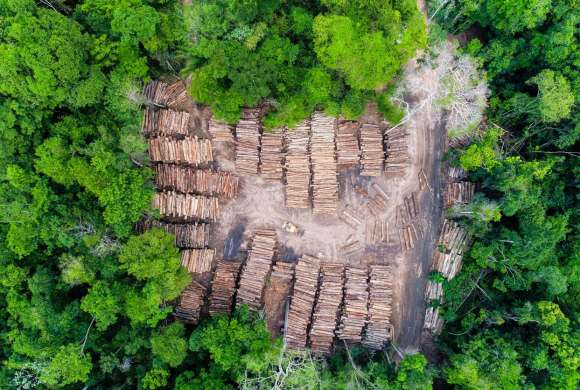
Even good promises can hide loopholes in the wording. Two simple words, forest and degraded, could decide which land gets protected and which land gets cleared. That’s why environmental groups want clear definitions before they trust the announcement.
Merauke’s wetlands and savannas form part of the TransFly ecoregion, an important habitat for wildlife and migratory birds. Greenpeace notes some of these ecosystems can be labeled scrubland or savanna instead of forest on official maps, even though they matter ecologically.
Gaveau asks whether forest areas means real forest cover or the legal Forest Estate. In 2025, a ministerial decree moved 486,939 hectares in Merauke, Boven Digoel, and Mappi out of the Forest Estate. That land holds nearly 300,000 hectares of primary closed canopy forest.
Degraded land is just as unclear. Merauke has seasonally flooded grasslands and Melaleuca swamp forests shaped by fire over thousands of years. Will they be called degraded because the vegetation looks low? Mighty Earth’s Glenn Hurowitz says the announcement could instead open the door to restoring 12 million hectares.
Nadia Hadad of MADANI Berkelanjutan emphasized on aligning food, energy, forestry, and fiscal policies, since climate commitments are measured by policy and money, not statements. Merauke Solidarity adds that local communities must help decide how their own land is used.
So the announcement is a promising first step, but a promise is a lot like that bag of chips. The real test comes when nobody is watching. If Indonesia truly means it, the decrees, maps, and money must change too, and the forests of Papua will show us soon enough.
Sources:
Leave a Reply