


Going solar isn’t just a trend for eco-conscious homeowners anymore. Businesses of all sizes are discovering the power – literally – of solar solutions. Not only can solar panels significantly reduce your electricity bills, but they also project a positive environmental image that resonates with today’s customers.
So, how do you tap into the sunshine and brighten your business’s future? Here’s a step-by-step guide to implementing commercial solar solutions in your company:
Step 1: Analyze Your Energy Consumption

Before exploring various panels or other stylish solar canopies for your car park, understanding your current energy habits is crucial. Request a year’s worth of electricity bills from your utility provider. Dig into the data – are there peak usage times? Do your energy needs fluctuate seasonally?
Identifying these patterns is key. For example, if your business operates manufacturing equipment during the day, a solar system sized to meet those peak hours might be ideal.
Conversely, a restaurant with high evening cooling needs may benefit from a system with battery storage to capture excess solar energy during the day and use it at night. Analyzing your energy consumption profile helps determine the size and type of solar system you’ll need to effectively meet your power demands and maximize cost savings.
Step 2: Define Your Solar Goals
What are your primary reasons for considering solar? Is it purely about cost savings? Do you want to reduce your carbon footprint and become more sustainable? Perhaps a combination of both? Clearly defining your goals will help you choose the right system and measure its success later.
For instance, if cost reduction is your main priority, you might prioritize a system sized to cover your peak electricity usage times. If sustainability is a key driver, you may choose a larger system with battery storage to maximize your reliance on solar power.
Step 3: Educate Your Team
Involving your team in the solar transition fosters buy-in and creates a culture of sustainability. Organize informational sessions or workshops to explain the benefits of solar and how it impacts the company. An educated team is more likely to embrace changes, such as making minor adjustments to their daily routines to optimize solar energy use, and contribute to maximizing the system’s overall benefit.
Step 4: Explore Financing Options

Solar energy solutions require an upfront investment, but the long-term savings are substantial. The good news is that there are a variety of financing options available to make solar more accessible for businesses. Here are some of the most common:
Solar Loans
Solar-specific loans offer attractive features to help homeowners invest in renewable energy. These loans often come with lower interest rates and longer repayment terms compared to traditional unsecured loans. This makes them a good option for financing the upfront cost of solar panels, which can be significant.
Solar Power Purchase Agreements (PPAs)
In a PPA, a separate company installs and maintains a solar energy system on your property. You then buy the electricity the system generates at a pre-determined price, typically lower than your current utility rate. This approach offers minimal upfront costs but might not deliver the same long-term financial benefits as outright ownership of the system.
Leases
Similar to PPAs, leases allow you to use a solar system without having to purchase it. Lease payments are typically lower than loan payments, but you won’t own the system at the end of the lease term.
Tax Credits and Rebates
Federal and state governments often offer tax credits and rebates to incentivize businesses to go solar. These incentives can significantly reduce the upfront cost of a solar system. Be sure to research the available programs in your area to see if you qualify.
With a variety of financing options and potential tax breaks, solar power can be a financially attractive investment for businesses.
Step 5: Find a Reputable Solar Installer
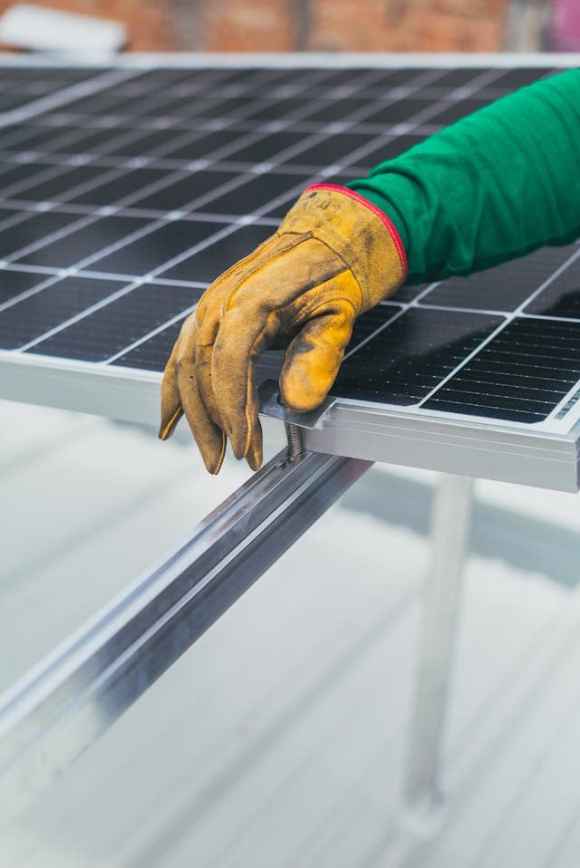
Getting quotes from multiple qualified solar installers is vital. Here’s how to find the right fit for your business:
Experience
Look for companies with a proven track record in commercial solar projects. Ask about the types and sizes of systems they’ve installed for businesses similar to yours.
Reputation
Check online reviews and ask for references. Speak to past clients about their experience with the installer’s service, quality of work, and responsiveness.
Qualifications
Ensure the installer holds all necessary licenses and certifications. Verify that their technicians are properly trained and insured.
Financial Stability
Choose a company with a solid financial footing to ensure they’ll be around to service your system for years to come.
System Design Expertise
Look for an installer who can design a customized system that meets your specific energy needs and budget. They should be able to explain different panel options, inverter types, and potential system configurations.
Warranties and Maintenance
Inquire about the warranties offered on the equipment and installation. Understand the installer’s maintenance plans and pricing.
Choosing a reputable solar installer requires careful consideration of their experience, reputation, qualifications, financial stability, design expertise, and warranty/maintenance offerings. By thoroughly vetting potential installers, you can ensure a successful solar project for your business.
Step 6: System Design and Permitting

The chosen installer will conduct a comprehensive site assessment to determine the optimal placement and size of your solar panels. They’ll also handle acquiring any necessary permits from local authorities. This process typically involves ensuring your roof can structurally support the panels and that they comply with zoning regulations.
Step 7: Installation and Interconnection
Once permits are secured, the installation process begins. The installer will mount the panels, connect them to an inverter that converts the captured sunlight into usable electricity, and integrate the system with your existing electrical grid.
Step 8: System Monitoring and Maintenance
Most solar systems come with built-in monitoring software. This allows you to track your energy production, identify potential issues, and maximize the system’s efficiency. Regular preventive maintenance ensures optimal performance and extends the lifespan of your solar panels.
Step 9: Reap the Rewards
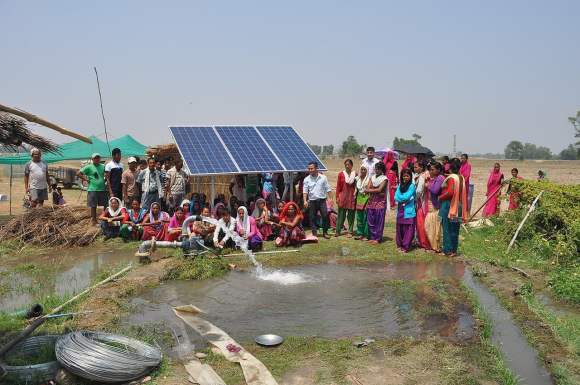
When it comes to taking advantage of solar power, the benefits go beyond cost savings. You’ll be generating clean, renewable energy and reducing your company’s carbon footprint. This translates to a positive environmental impact and a boost to your brand image – a win-win for your business and the planet.
Conclusion
Going solar is a smart investment for businesses looking to reduce costs, enhance sustainability, and future-proof their operations. By following this step-by-step guide, you can harness the power of the sun and illuminate a brighter future for your company.
Leave a Reply