

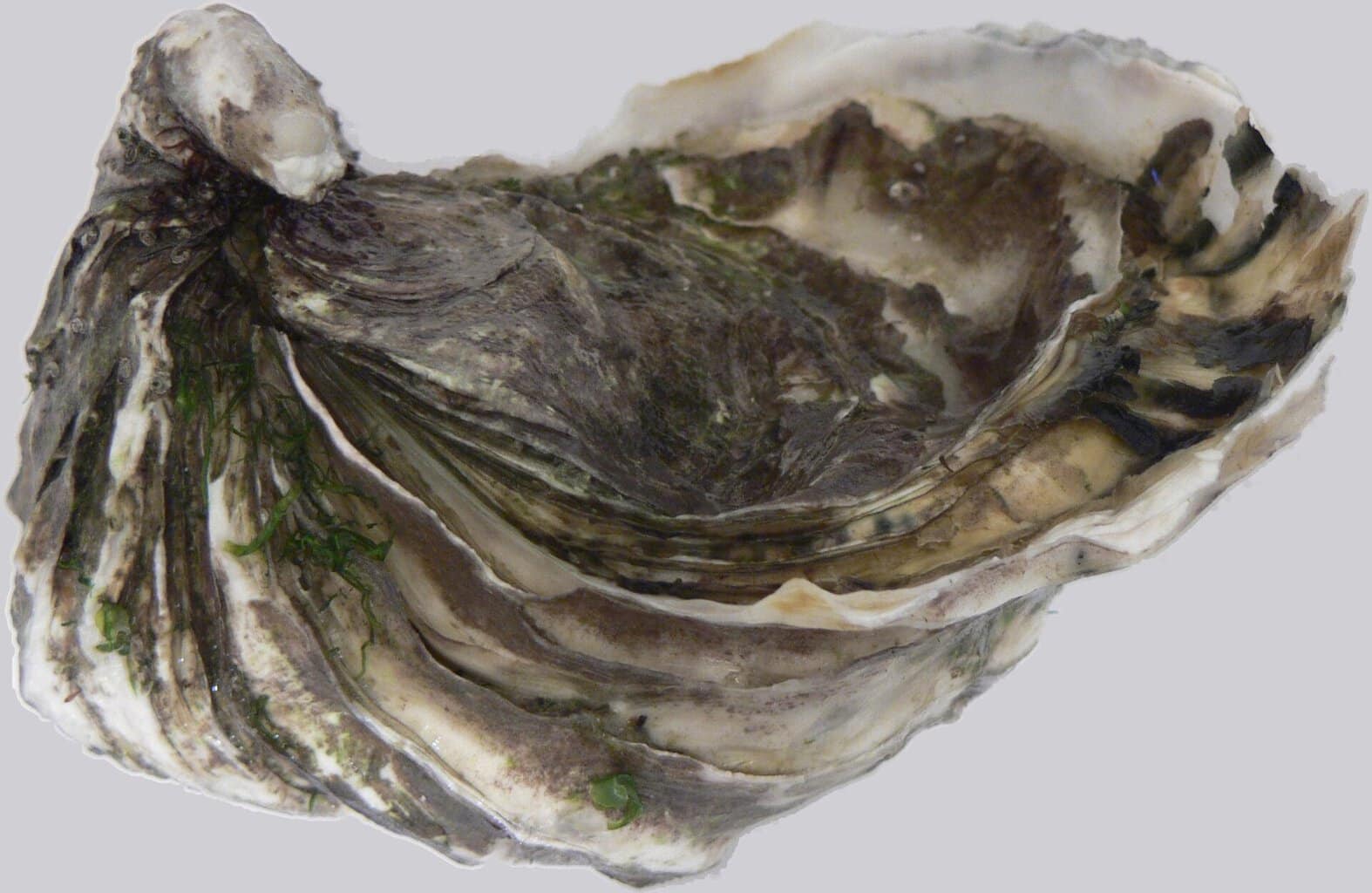
Do you like eating oysters? In Hong Kong, oyster farming is not just a job. It is a tradition that has lasted for hundreds of years. But today, this tradition is in danger because of climate change. Farmers and scientists are now working together to save it.
So, want to hear more about it? Let’s talk about it here.
A Village Built On Oysters

Far from the tall buildings of Hong Kong, there is a small fishing village called Lau Fau Shan. This village sits on Deep Bay, and many families there have farmed oysters for generations. One of these farmers is Chan Kwok Leung, who people call “Brother Leung.” He is 58 years old and the sixth generation of his family to farm oysters.
When Brother Leung was a child, he helped his father shuck oysters during winter. In the past, farmers believed that colder weather made oysters grow fatter. But the cold winters made the work harder too. Brother Leung said, “The seawater felt icy cold and often numbed my hands. It doesn’t feel like that any more.”
This shows how much the weather has changed. Today, Hong Kong rarely gets very cold days like it used to in the 1970s and 1980s. The water is now warmer, and this is causing big problems for the oysters.
An Ancient Tradition
Oyster farming in this area is very old. Records show that an oyster business existed in Lau Fau Shan as early as 1667. Some farming families, including Brother Leung’s father, moved to the area in the 1960s. Their ancestors had farmed oysters even earlier, going back to the Song Dynasty, which was between the years 960 and 1279.
Today, around 10,000 bamboo rafts float across Deep Bay. Oysters hang from ropes on these rafts and grow in the water before being harvested. The oysters from this area are a special type called Crassostrea hongkongensis. These oysters are plumper and can grow better in water that is less salty.
People in Hong Kong love these oysters. Some are eaten fresh in hotpots or fried dishes. Others are dried and sold in the village or sent to markets around the city. Dried oysters are especially popular during Lunar New Year, because they are believed to bring good luck and prosperity.
Hotter Weather

Climate change has slowly disrupted the natural rhythm that oyster farmers depend on. Brother Leung explained that for oysters to grow well, “the winds and rains must come in good time.” He said this kind of knowledge was “a practice passed down from our ancestors.”
In the past, oyster season usually started around September or October, after the mid-autumn festival. But now, winters arrive later and are warmer than before. Because of this, the harvest season now starts in January or February instead. This has shortened the harvesting season from six months down to only three months.
Even worse than a shorter season are the sudden die-offs that now happen almost every spring. These die-offs can kill huge numbers of oysters very quickly. Farmers say that severe die-offs, which kill more than 70 percent of the oysters, used to happen only once every ten years. Now, they happen every three to six years. Smaller die-offs, which kill more than 30 percent of oysters, now happen almost every single year.
Scientists believe climate change is the main reason behind this. Professor Thiyagarajan Vengatesen from the University of Hong Kong explained that temperatures in southern China are now rising earlier and faster during spring.
At the same time, rain that usually helps reduce the saltiness of the water is now arriving later in the year. This means the water becomes too warm and too salty for the oysters to handle.
This stress makes the oysters weaker, and weaker oysters become easier targets for disease. Once one group of oysters dies, the sickness can spread quickly to others nearby.
For farmers, watching this happen is heartbreaking. Brother Leung said, “When you shuck the oyster, you can tell immediately something is wrong, as the flesh turns reddish.” He still remembers the first time this happened to him, back in 2007. He said, “It was unsettling. A whole year of my work was gone.”
Stronger Storms

Climate change has also made typhoons more powerful and more frequent. Chan Shu Fung, another oyster farmer from the same village, said, “We are seeing more super typhoons these days.” He explained that unlike die-offs, there is nothing farmers can do when a typhoon directly hits the bay. He said, “when typhoons hit right at the bay, there is nothing you can do about it.”
Last year alone, Hong Kong faced 14 tropical cyclones. This was more than double the usual number and the highest count since 1946.
Chan Shu Fung took over his family’s oyster business in 2014. Just three years later, Super Typhoon Hato hit the area and destroyed many of his rafts, killing around half a million oysters. After working hard to rebuild, the following year Super Typhoon Mangkhut destroyed 90 percent of his crop again.
Because of these constant disasters, many older farmers have given up the trade completely. In the 1960s and 1970s, around 300 families worked in oyster farming in this area.
Today, only about 70 families remain. Even Chan Shu Fung thought about quitting after losing so much in 2018. But he said, “All I could do was hang in there, grit my teeth and carry on.”
Scientists Try To Help
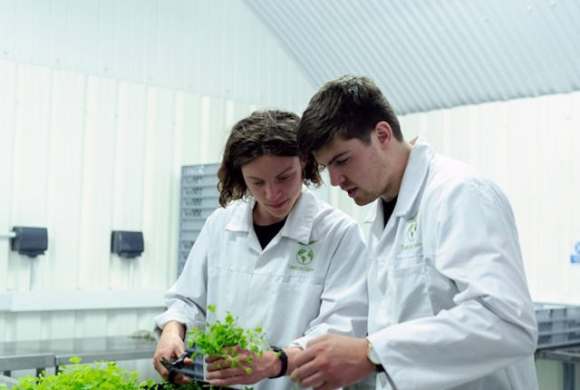
To fight back against these problems, scientists are now working closely with farmers. At the Swire Institute of Marine Science, Professor Vengatesen has been working with Brother Leung to find ways to help oysters survive in warmer and saltier water.
The science team has created a special method to predict which oysters are more likely to survive harsh conditions. By studying the genes of different oyster strains, they can identify the strongest and most resilient ones. Using this information, the scientists have created a brand-new type of oyster, which they call the Hong Kong Super Oyster.
This new oyster has shown a survival rate of 30 to 40 percent in highly salty water. This might not sound very high, but it is a big improvement compared to the regular Hong Kong oyster, which has a survival rate of less than 10 percent in the same conditions.
Professor Vengatesen hopes to improve this even further, aiming for an 80 percent survival rate in the future. Local farmers, including Chan Shu Fung, have already started testing the new Super Oyster on their own rafts. He began trying the new oysters in September last year and said, “It will take a year for us to tell how good they are.”
An Uncertain Future
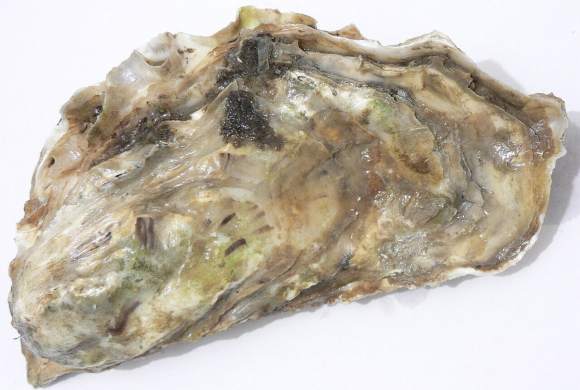
Even if the Super Oyster helps farmers survive climate change, there is still another challenge ahead. The Hong Kong government has proposed a new development project for the area. This project, called New Digi Bay, plans to turn the village into a hub for technology companies, start-ups, and residential buildings.
This plan has worried many people, since it could threaten the future of oyster farming. However, Chan Shu Fung remains hopeful. As chair of the local farmers’ group, he often talks with government officials about these plans. He explained, “If the urbanisation plan does not come into conflict with oyster farming and the ecosystem it depends on, it has more benefits than drawbacks.”
Brother Leung worries that fewer young people want to take up the hard life of an oyster farmer, especially with the added pressure of urban development and climate change. Even so, he refuses to give up. He compares the situation to an old Chinese idiom, which says that only gold remains after strong waves wash away the sand.
Looking back at the difficult years, Brother Leung said, “We had our glory days. I am trying to do something now. Hopefully, new technological breakthroughs may bring them back.”
Sources:
Leave a Reply