


Fireflies, also known as lightning bugs, are fascinating insects known for their magical glow. They are known to be one of the most beautiful faunas to ever exist in this universe.
Have they got your attention too? Then, let’s explore some interesting and unique facts about these creatures in this article.
What Are Fireflies?

Fireflies are not actually flies, but rather a type of beetle. They belong to the family Lampyridae, which includes around 2,000 species. You can find fireflies in many parts of the world, but they are most commonly seen in warm, humid regions like forests, grasslands, and wetlands. They are usually active at night, especially in the summer, when the environment is damp.
The most amazing thing about fireflies is that they glow. This glowing process is called bioluminescence. Bioluminescence means that living organisms can produce light. Fireflies glow by using chemicals in their bodies, mainly luciferin and luciferase. These two chemicals react with oxygen to produce a soft, cool light. This light is cold to the touch, meaning it doesn’t give off heat like the light from a bulb.
Fireflies come in different sizes, ranging from a quarter of an inch to one inch long. Their bodies are usually dark brown or black with yellow or orange markings. They have soft, leathery wings that let them fly easily.
Their glow isn’t just for beauty. It has important purposes that we’ll explore in the next section.
Fireflies’ Glow

Fireflies produce light for a few important reasons. The main reason is communication. Fireflies use their glowing light to talk to each other. Each species has its own unique light pattern. They flash their light in a specific rhythm to attract mates. The males usually fly around and flash their lights, while the females watch from the ground and respond with their own flashes if they’re interested.
Fireflies’ light comes in different colors depending on the species. Some fireflies glow yellow or green, while others might glow red or orange. This variety in color helps different species recognize one another.
In some cases, female fireflies from one species can mimic the light signals of another species. They do this to attract male fireflies, but instead of mating, they eat them! This clever trick helps certain species survive.
Another reason fireflies glow is to warn predators. Their light is a signal that says, “Stay away! I taste bad.” Many fireflies produce chemicals that make them unappealing or even toxic to animals that might want to eat them, like birds or frogs. The light helps remind predators not to mess with them.
Finally, some firefly larvae (baby fireflies) glow too. This may serve as another warning sign or help them find food.
Their Very Life Cycle

The life of a firefly is truly unique. Fireflies go through a complete metamorphosis, which means they have four stages in their life cycle: egg, larva, pupa, and adult.
Fireflies lay their eggs in damp soil or under leaves. The eggs are small, round, and sometimes even glow faintly. After a few weeks, the eggs hatch, and tiny larvae come out. These larvae are often called “glowworms” because many of them can also produce light, just like adult fireflies.
Firefly larvae are predators. They eat small animals like snails, slugs, and worms. Some larvae live underground or in water, depending on the species. They can spend up to two years in the larval stage, especially in colder climates where their development slows down in winter.
Once they have grown enough, the larvae turn into pupae. During the pupal stage, they stay hidden in the soil while their bodies change into adult fireflies. This process can take a few weeks.
Adult fireflies usually live for only a few weeks, and their main goal is to find a mate. During this time, they focus on flashing their light patterns and communicating with each other. Unlike the larvae, most adult fireflies don’t eat much. Some may drink nectar, while others might not eat at all.
Even though their adult lives are short, fireflies play an important role in nature, both as predators and as a source of wonder for people.
How to Keep Them by Our Yards
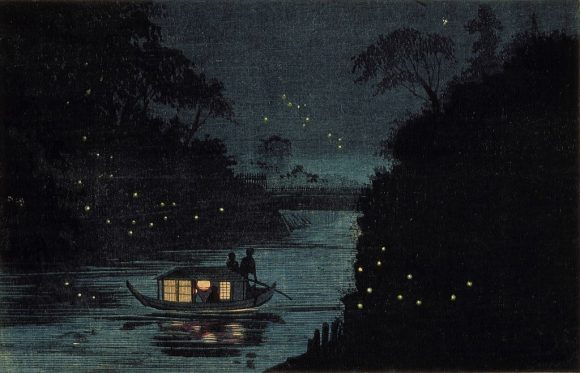
Unfortunately, fireflies are facing serious threats today. One of the biggest dangers to fireflies is light pollution. Fireflies rely on their glow to communicate, but bright lights from cities, street lamps, and even homes can confuse them. When artificial lights are too bright, fireflies have a harder time seeing each other’s signals, which makes it difficult for them to find mates. This can cause their populations to decrease.
Another threat is the loss of habitat. Fireflies need certain environments, like forests, wetlands, and grasslands, to lay their eggs and grow. As humans continue to build more cities and roads, these natural habitats are being destroyed. Pollution and the use of pesticides can also harm firefly larvae and their food sources.
So, what can we do to help fireflies? Here are some simple ways:
Turn off outdoor lights: If you live in an area with fireflies, turning off outdoor lights at night can help them communicate better.
- Protect natural habitats: Supporting the preservation of wetlands, forests, and other natural areas can give fireflies a safe place to live and breed.
- Avoid using pesticides: Chemicals used in gardens or farms can harm firefly larvae. Using organic or natural methods to control pests can help protect fireflies.
- Create a firefly-friendly garden: Planting native plants and keeping your garden moist can create a habitat for fireflies and their prey.
By taking small steps, we can help protect fireflies and ensure that future generations can continue to enjoy their magical glow.
Fireflies are more than just glowing insects; they are fascinating creatures with unique behaviors and life cycles. From the way they communicate using light to the threats they face in our modern world, there’s much to learn and appreciate about them.
Sources:
Leave a Reply