


In this world where we are fighting the horror of climate change, an unexpected hero emerges from the natural world: bamboo. This unassuming, yet remarkably versatile species of grass is wielding a powerful eco-friendly weapon against the environmental challenges of our time.
Bamboo’s unique qualities enable it to not only avoid the carbon emissions associated with conventional materials but also drive international cooperation for sustainable development. Yes, bamboo can be that powerful tool to help us fight.
Its rapid growth and diverse applications make it an ideal solution for the urgent need to reduce reliance on fossil fuels and endangered forest resources. However, harnessing bamboo’s potential requires tackling challenges in construction and agriculture.
Here in this article, we are going to talk about an inspiration from China Dialogue.
Bamboo’s Eco-Friendly Advantage

Bamboo, a versatile and renewable resource, has emerged as a powerful ally in the battle against climate change. Its unique properties enable it to “avoid” the carbon emissions associated with more emissions-intensive materials, making it an attractive and sustainable choice.
Research has consistently shown that bamboo products have a remarkably low, and in some cases, even a negative eco-cost, surpassing the environmental performance of hardwoods certified by the Forest Stewardship Council.
This revelation positions bamboo as a game-changer in the quest for greener, more sustainable alternatives to traditional construction materials. What sets bamboo apart is its remarkable capacity for carbon sequestration. As it grows, bamboo absorbs significant amounts of carbon dioxide from the atmosphere, acting as a carbon sink.
This not only reduces the carbon footprint of bamboo-based products but also contributes to mitigating the overall impacts of climate change. When compared to materials like steel and cement, known for their high emissions during production and usage, bamboo emerges as an environmentally superior choice.
Furthermore, the rapid growth of bamboo adds to its ecological appeal. Bamboo can mature in a matter of years, as opposed to the decades or even centuries required for most hardwood trees. In addition, the harvesting of traditional hardwoods often leads to deforestation and habitat destruction, exacerbating environmental problems.
China’s Global Cooperation

According to China Dialogue, China’s international engagement with bamboo signifies a significant step towards global sustainability. Bamboo has become an integral part of China’s development cooperation with countries in the Global South.
This commitment was underscored in 2018 when President Xi Jinping mentioned bamboo during his speech at the Forum on China-Africa Cooperation. His emphasis on “green development and ecological and environmental protection” through bamboo initiatives reflects a broader effort to promote environmentally responsible practices and share sustainable solutions with the world.
This newfound importance of bamboo in international collaboration stems from its potential to drive eco-friendly development. China’s dedication to green initiatives aligns with the broader global push to address climate change and environmental challenges.
Bamboo offers a win-win solution, serving as a renewable resource for development projects in partner countries while also contributing to climate change mitigation. China’s cooperation initiatives include knowledge transfer and technology sharing related to bamboo cultivation, processing, and utilization.
“Chinese policymakers talk about providing ‘Chinese solutions’ to the global climate challenge. In this case, bamboo is a real solution with Chinese DNA,” as told by Li Shuo, a senior policy advisor with Greenpeace.
The Versatility and Sustainability

And talking about bamboo alone, there is something that we need to know: the superpower of bamboo. Bamboo, a versatile and rapidly renewable resource, is poised to play a pivotal role in the transition to a more sustainable and eco-friendly future.
Its adaptability and myriad applications make it a valuable asset in various sectors, particularly as concerns over climate change, dwindling forest resources, and the need to reduce dependence on fossil fuels intensify.
One of bamboo’s key strengths lies in its incredible versatility. It can be used in an array of applications, from construction materials and textiles to furniture and even culinary utensils. This adaptability allows bamboo to address a wide range of livelihood needs, both locally and globally.
Bamboo’s rapid growth further contributes to its appeal. Unlike many traditional hardwood trees that require decades or even centuries to mature, bamboo can reach maturity in a matter of years.
This accelerated growth means that bamboo can be harvested more frequently without causing significant damage to ecosystems. In contrast, the depletion of traditional forest resources often leads to deforestation and habitat destruction, exacerbating environmental issues.
Research into bamboo continues to uncover new applications and innovations, expanding its economic role both locally and in international trade. This growth can drive economic opportunities and promote environmental sustainability simultaneously.
Overcoming Challenges
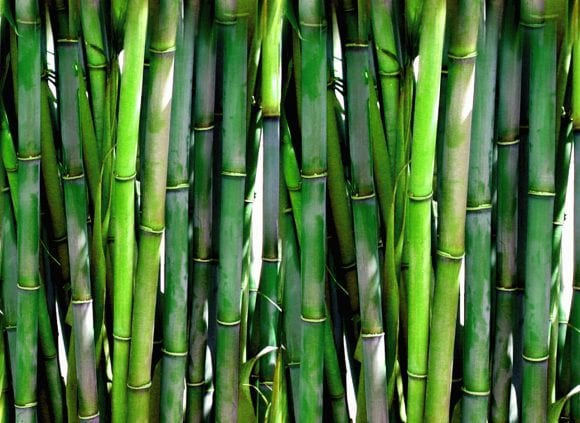
Bamboo has great potential as a sustainable building material, but there are important challenges to overcome. These challenges must be carefully managed to ensure that bamboo can play a significant role in making construction more environmentally friendly.
One major challenge is the need for proper treatment of bamboo. Bamboo, like many natural materials, can break down over time when it’s exposed to things like moisture and insects. To address this, we must treat bamboo appropriately to make it more durable and resistant to these natural factors.
Techniques like pressure treatments and the use of preservatives can be employed to extend the lifespan of bamboo and make it suitable for construction. This means we can use bamboo in a wide range of building applications without worrying about it deteriorating quickly.
Another consideration is potential negative impact on local ecosystems. If bamboo farming isn’t done responsibly, it can harm local environments. This harm might include deforestation, soil erosion, and disruption of habitats for various species.
To maximize bamboo’s sustainability, it’s crucial to adopt responsible and eco-friendly farming methods. This means ensuring that bamboo is grown and harvested in a way that not only produces bamboo for construction but also preserves local ecosystems and minimizes harm to the environment.
Overall, bamboo is so practical to fulfil our needs for materials. Still, we need to overcome the challenges that we may face. So, what do we say about making bamboo the new superstar in our fight?
Sources:
Leave a Reply