

Renewable energy sounds like the perfect solution to climate change. Solar panels, wind turbines, and hydroelectric dams produce electricity without burning fossil fuels. They cut carbon emissions, protect the climate, and offer a cheaper alternative to coal and oil.
What could possibly go wrong? Well, quite a lot actually. While the environmental footprint of renewables is much lower than fossil fuels, meeting the growing energy demands of an expanding global population requires massive increases in renewable infrastructure on both land and sea.
And that expansion is increasingly coming into conflict with nature. From solar farms spreading across acres of natural land to hydropower dams blocking fish migrations, the global shift to renewable energy carries its own set of ecological risks.
As countries race to meet the terms of the Paris Agreement and limit global temperature rise to 1.5 degrees Celsius, can we power the planet without destroying the ecosystems that sustain life on it? Well, let’s see.
Solar Farms
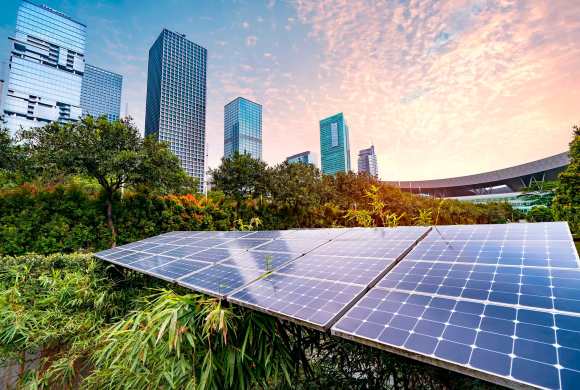
Solar farms are large installations of photovoltaic panels designed to capture sunlight and convert it into electricity. Their numbers have surged in recent years thanks to falling costs and growing government incentives.
They produce zero operational carbon emissions and play a key role in clean energy production. But they also require enormous amounts of land, and that is where the problems begin.
Installing solar panels in uninhabited natural regions requires clearing vegetation, building access roads, and constructing infrastructure that can displace native animal species and disrupt migration routes.
In the United States, a significant portion of solar installations have been built on agricultural lands, competing with food production and wildlife habitats. The consequences vary depending on geographic location and the previous history of land use.
However, the story does not end there. In areas already impacted by human activities, well-managed solar farms have actually shown positive effects on biodiversity. The land around and beneath solar panels can be planted with native hedgerows and wildflowers that restore soil health and attract insects.
Ponds can be dug nearby to increase water habitats. The shade created by solar panels forms small microclimates that cool the soil, allow more plants to grow, prevent water evaporation, and offer shelter for grazing animals. In the UK, solar farms in East Anglia support greater diversity of vegetation and animal species than the surrounding agricultural land.
One particularly promising approach is brownfield redevelopment. Brownfields are degraded, abandoned lands left behind by industrial activity, old mines, or landfills. By building solar farms on these already damaged sites, developers avoid converting natural habitats entirely.
Cleanup measures required for redevelopment can also reduce pollution and improve soil quality. Many brownfield sites already have existing infrastructure like roads and transmission lines, which allows solar panels to connect to the electricity grid without new construction.
Wind Power
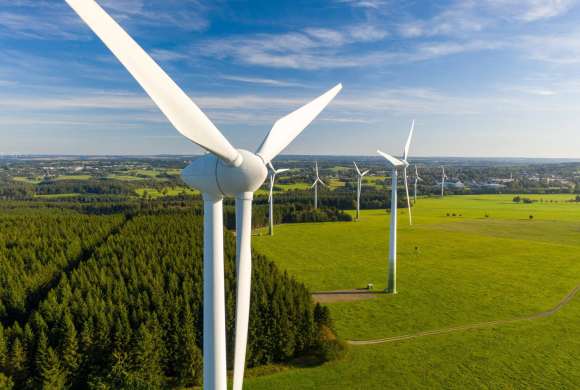
Wind power is one of the fastest growing energy sources in the world. Modern wind turbines produce the lowest greenhouse gas emissions of any renewable energy source and depend on an unlimited natural resource. But their rapid expansion brings serious ecological concerns, particularly for birds, bats, and marine life.
Birds and bats are most affected by wind turbines. Collision with spinning blades, noise disturbance, and changes in migration patterns are all documented consequences.
Small passerine birds alone suffer approximately 230,000 fatalities annually in the United States and Canada from turbine collisions. For offshore wind farms, the risks extend to sea birds and marine life, including disruption of fish habitats and seabed destruction during construction.
One of the most promising solutions to this problem came from a surprisingly simple idea: painting one of a turbine’s three blades black. Research conducted by the United States Geological Survey found that this single visual change provides bird flocks a stronger cue that the airspace is obstructed.
A similar study in Norway found that black blade interventions led to a 71.9 percent reduction in bird fatalities. New monitoring technologies and conservation-led project planning are also helping minimize wildlife impacts both onshore and offshore.
It is worth keeping perspective here. The total number of bird deaths from turbine collisions, estimated at 368,000 annually across the US and Canada, is far lower than fatalities caused by other human activities like vehicle strikes, pollution, and deforestation. The risks are real but manageable with the right mitigation strategies.
Hydropower
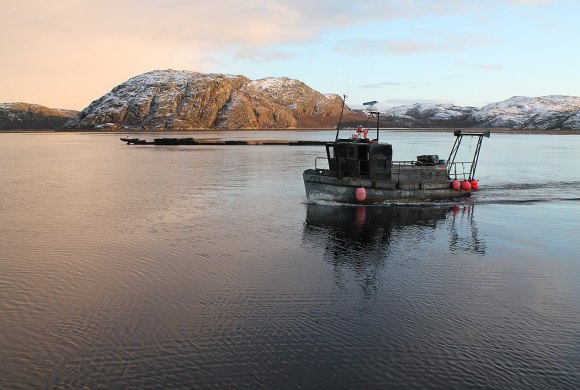
Of all renewable energy sources, hydroelectric power carries the heaviest ecological price tag. Hydroelectricity supplies over 15 percent of the world’s electricity, making it the largest renewable energy source globally.
But the dams required to generate this power have devastating effects on river ecosystems. A dam is a physical barrier that fragments a river, blocking the flow of water, sediments, nutrients, and wildlife.
Blocking their flow catastrophically disrupts the fragile and interconnected life cycles that depend on the natural movement of water. The more dams built within a single river system, the more severe the cumulative impacts become.
When a dam creates a reservoir, species that live upstream cannot reach tributaries where they breed, while downstream populations cannot access feeding or spawning habitats located upstream.
In Europe, the continent with the most fragmented river landscape on the planet, freshwater fish populations have collapsed by 93 percent since 1970. Worldwide, the rate of riverine wildlife loss is six times that of land and sea animals.
Beyond fish, dams disrupt entire surrounding ecosystems including mammals, birds, amphibians, insects, and plants. Otters, beavers, turtles, and many other freshwater species lose their native riverbank territories.
The disruption of a river’s natural temperature, sediment flow, and oxygen levels also severely damages water quality.
In the deep, stagnant water of reservoirs, organic matter sinks to the bottom and decomposes, releasing methane and phosphorus. These oxygen-depleted bottom layers create conditions where toxic algae and cyanobacteria bloom, harming animals, people, and plant life.
Some countries have begun addressing the hydropower crisis through selective dam removal. In France, two hydroelectric dams on the Sélune River were removed in 2022. Within months, water temperature, turbidity, and oxygen levels returned to those of natural free-flowing rivers.
Atlantic salmon and other native fish species began returning to previously blocked sections of the river. Fish ladders and other wildlife passages are also being installed on existing dams to allow animals to move across barriers that cannot be removed.
The Bigger Picture
 city light
All human activity inevitably affects biodiversity. Achieving energy generation that leaves absolutely no environmental footprint is not a realistic goal. But this does not mean all choices are equal.
Renewable energy still holds a massive advantage over fossil fuels. Coal, oil, and gas extraction devastates terrestrial and marine ecosystems through drilling, mining, and seabed disruption. Burning these fuels releases enormous quantities of carbon dioxide that accelerate global warming, which itself represents perhaps the greatest long-term threat to biodiversity on Earth.
A 2024 report by the Organisation for Economic Co-operation and Development highlighted serious gaps in data about how renewable energy affects biodiversity. Impacts on marine ecosystems are far less studied than those on land.
Most detailed research comes from Europe and North America, while significant gaps exist in developing countries where most new renewable energy development is happening.
The path forward requires smarter siting of renewable installations to avoid critical habitats and migration corridors. It requires wildlife-friendly design, habitat restoration alongside energy infrastructure, and stronger community consultation before projects begin.
Sources:
https://www.sciencedirect.com/science/article/pii/S2772427122000687
Leave a Reply