


Human development has left a heavy mark on our planet. Industries pollute the air with toxic gases. Factories contaminate rivers and groundwater with chemicals. Mining operations poison soil with heavy metals. How to clean them?
Poor waste management degrades entire landscapes. The damage is real, widespread, and in many cases severe. But here is something fascinating: nature has its own toolkit for cleaning up these messes.
Bioremediation is the process of using living organisms, specifically plants, bacteria, and fungi, to clean up contaminated air, soil, and water. Instead of relying solely on expensive chemical treatments or industrial machinery, scientists and engineers are increasingly turning to biological processes that nature has refined over millions of years.
These approaches are not just clever. In many cases, they are more effective, cheaper, and less disruptive than conventional cleanup methods.
From microalgae capturing carbon at power stations to mushrooms breaking down toxic waste in polluted soil, the biological world offers a remarkable range of solutions to some of humanity’s most serious environmental problems.
Cleaning the Air
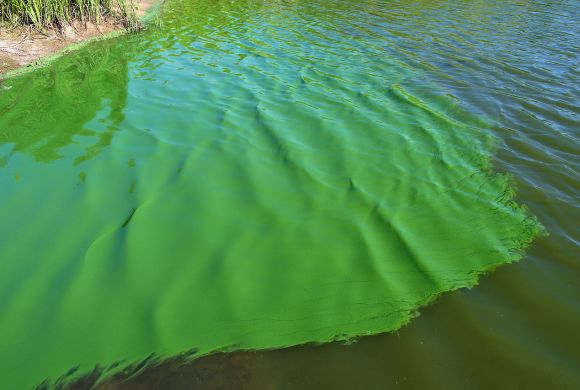
One of the most exciting applications of bioremediation involves cleaning the atmosphere. Carbon dioxide is the primary greenhouse gas driving climate change, and biological carbon capture offers a promising way to remove it from the air.
Microalgae, the tiny photosynthetic organisms that form the base of aquatic food chains, are being explored as biological factories that can capture carbon dioxide while simultaneously producing renewable biofuels, food, animal feed, cosmetics, pharmaceuticals, and other valuable products.
At Drax power station in the United Kingdom, researchers are investigating ways to turn captured carbon dioxide into food for fish. Seaweed is also being explored for its potential to sequester carbon in biorefinery systems.
Beyond carbon, bioremediation helps address other forms of atmospheric pollution. Biofiltration has replaced chemical scrubbing in many factories as a method for removing volatile organic compounds from industrial emissions.
Microorganisms living in a replaceable culture medium break down contaminants into carbon dioxide, water, or salts. This is currently the only biological technique available to treat airborne pollutants directly.
A range of enzymatic processes can also reduce harmful pollutants within industrial systems. Scientists have even discovered enzymes capable of breaking down plastic waste, opening possibilities for biological solutions to one of the most persistent pollution problems facing the planet.
Perhaps the most visually striking example of air bioremediation in cities is the City Tree. This innovation is essentially a moss filter designed as a biotech fine dust filter for urban spaces.
Certain moss species are considerably more capable of accumulating heavy metals than tree leaves, and mosses absorb nitrogen oxide, ozone, and particulate matter while sequestering significant amounts of carbon.
One City Tree is said to be equivalent to 275 regular trees in terms of air cleaning capacity. These structures are already being used in Norway, France, Germany, Belgium, the United Kingdom, Macedonia, and Hong Kong, placed strategically near industrial sites and in busy urban areas where air quality is poorest.
Decontaminating Water
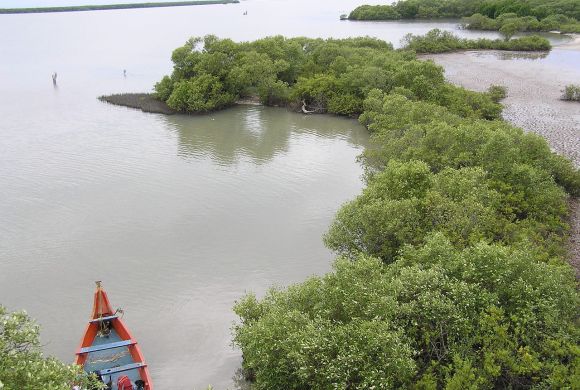
Water pollution is one of the most damaging consequences of industrial activity and poor waste management.
Rivers, lakes, and groundwater sources become contaminated with heavy metals, chemicals, pharmaceuticals, and agricultural runoff that devastate aquatic ecosystems and threaten human health. Bioremediation offers several compelling approaches to water decontamination that work with natural processes rather than against them.
Bioreactors using microorganisms are increasingly used in the decontamination of polluted water. These systems cultivate specific bacteria and fungi that consume or transform contaminants into harmless substances.
Soil and groundwater can also be decontaminated using in-situ bioremediation methods, meaning the treatment happens directly in the contaminated location without removing material and transporting it elsewhere.
This makes the process significantly less disruptive and expensive. Scientists are also investigating microfauna such as nematodes and protozoa for their potential bioremediation functions in contaminated soils.
Reed bed filtration systems and constructed wetland systems represent another biological approach to water cleaning. These systems use carefully selected plants and the microbial communities that grow around their roots to filter and process contaminated water as it flows through.
Vegetated swales, which are channels planted with vegetation, can capture runoff from hard surfaces like roads and parking lots, filtering out pollutants before they reach rivers and lakes.
Using plants specifically for this kind of decontamination work is called phytoremediation, and it represents one of the most cost-effective tools available for managing water pollution in agricultural and industrial landscapes.
Mushrooms, Plants, and Soil

Soil contamination is a widespread but often invisible problem. Industrial sites, former mines, landfills, and agricultural lands treated with excessive chemicals can contain concentrations of heavy metals and toxic compounds that make the soil essentially unusable for growing food or supporting wildlife.
Biological approaches to soil remediation offer the possibility of restoring these damaged landscapes without the enormous cost and disruption of conventional excavation and replacement methods.
Mushrooms play a remarkable role in soil bioremediation through a process called mycoremediation. Fungi break down organic compounds through biodegradation, absorb contaminants through biosorption, and transform toxic substances through bioconversion.
Many reports have documented mushrooms’ ability to process a wide range of waste materials, including petroleum products, industrial chemicals, and agricultural pollutants. The fungal networks that spread through soil, called mycelium, create vast underground systems capable of processing contaminants across large areas.
Hyperaccumulator plants add another biological tool for soil cleanup. These are plant species with an unusual ability to absorb and concentrate heavy metals and other toxic substances from the soil in their tissues.
By growing hyperaccumulator plants on polluted sites, it becomes possible to gradually extract contaminants from the ground through a process called phytoextraction. The contaminated plant material is then harvested and disposed of safely, removing the pollutants from the landscape in a controlled way.
This approach has been successfully applied at sites contaminated with metals like cadmium, zinc, arsenic, and nickel, offering a slow but steady pathway toward restoring the productivity and ecological function of damaged land.
Nature as a Partner

Bioremediation does not offer instant solutions. Many biological processes work slowly compared to industrial chemical treatments. Some contaminants are extremely resistant to biological breakdown.
The effectiveness of bioremediation varies significantly depending on site conditions, the type of contamination, and the specific organisms employed. Research in this field is still developing rapidly, and many promising techniques remain in experimental stages.
Despite these limitations, bioremediation represents a fundamentally important shift in how humanity approaches the problem of environmental contamination. Rather than treating polluted environments as problems to be solved with ever more powerful chemicals and machinery, bioremediation frames nature itself as a partner in restoration.
The organisms used in bioremediation evolved over billions of years to process organic matter, cycle nutrients, and maintain ecological balance. Humans are essentially redirecting these ancient capabilities toward solving modern pollution problems.
The implications extend beyond practical cleanup applications. Bioremediation research reveals something important about how ecosystems function and how resilient biological systems can be when given the chance to work.
Ecosystems that appear dead or permanently damaged can recover biological activity when conditions improve and the right organisms are introduced. Rivers that had been written off as permanently polluted have been restored to ecological health through combination of bioremediation techniques and pollution source elimination.
Former industrial wasteland has been transformed into productive land through systematic application of mycoremediation and phytoremediation.
Sources:
Leave a Reply