

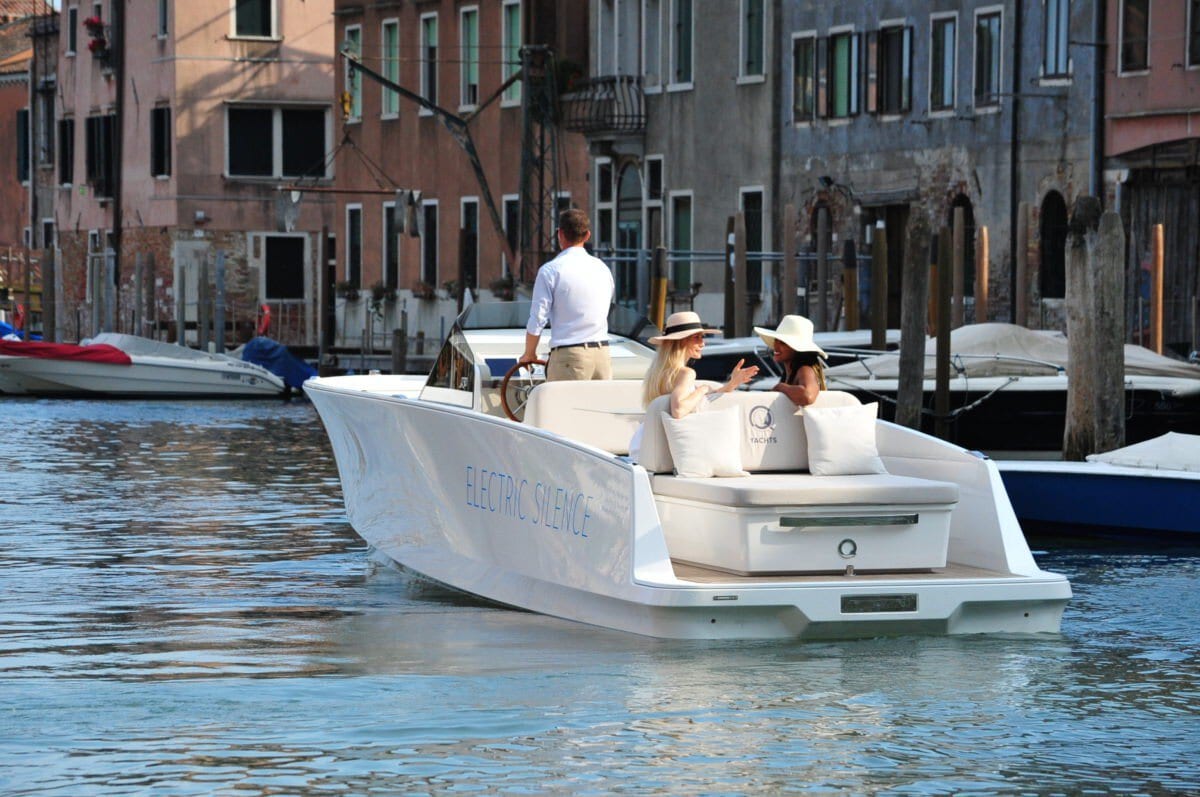
Close your eyes and picture yourself on a superyacht tender for sale, gliding into Porto Cervo at sunset, but without the noise of an engine, with no diesel fumes or vibrations, just the whisper of water against the hull and the unhurried conversation of your guests. Sounds idyllic, right? Part of a larger shift within the yachting industry, more and more owners are opting for superyacht tenders with hybrid or electric propulsion. No longer seen as an experimental or novel idea that was once confined to boat and trade shows, electric systems are now a key consideration for many responsible owners who value performance and minimising their impact on the environment.
The yachting industry’s shift to silent
The 2025 yacht and boat trade show circuit had one strong red thread running through it, namely, electric and hybrid systems onboard tenders have arrived and are here to stay.
Williams Jet Tenders showcased the EvoJet 70e with zero-emission propulsion at boot Düsseldorf, while Amare Group launched the fully electric Amy 330e tender in September. During the Monaco Yacht Show, TYKUN X and H1 MED Group revealed their all-aluminium flagship tender alongside plans for the hydrogen-fueled TYKUN H1, a production-ready model that signals the brand’s commitment to alternative propulsion.
Signalling a fundamental change in the tender segment, this shift towards greener propulsion options is being accelerated by Mediterranean marinas introducing stricter emission standards, particularly in sought-after ports where access increasingly favours tenders and yachts that prioritise sustainability.
Outside of regulatory compliance, there’s also a growing premium placed on green credentials within the rental and charter market, as more clients seek out yachts and tenders that align with their own personal values while maintaining the same levels of luxury. For owners in search of superyacht tenders that not only offer the comfort and style they are accustomed to but also hold a strong resale value, electric propulsion is rapidly becoming a differentiator rather than just an innovation.
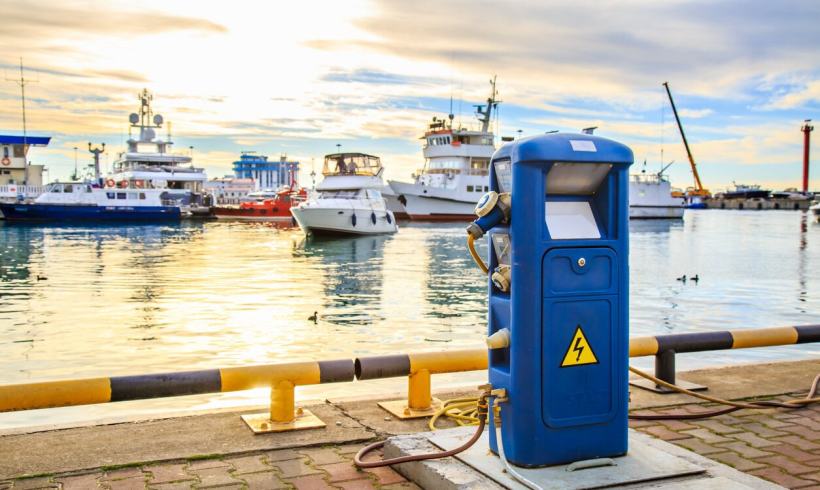
The real-world advantages of electric propulsion
The benefits of electric superyacht tenders extend far beyond ticking compliance boxes. Electric operational systems transform the guest experience entirely, as the electric motors are extremely quiet. With no engine noise interrupting conversation at anchor, no vibration disturbing the peace of an early morning cruise, owners and guests alike can just enjoy the quiet tranquillity of their surroundings. In addition, electric propulsion systems produce zero emissions, resulting in a much smaller overall carbon footprint.
Then there’s marina access. As regulations tighten across the French Riviera, Balearics, and further, electric superyacht tenders have unrestricted entry to several ports that are beginning to limit or surcharge combustion-engine yachts. Many electric superyacht tenders are also lighter than their traditional counterparts, improving their overall speed and manoeuvrability. What’s more, the operational costs of electric superyacht tenders also paint a compelling picture, with reduced maintenance, no more fuel expenses, and simplified crew training, all of which contribute to a lower total cost of ownership.
As yacht ownership also changes, with younger, more environmentally conscious ultra-high-net-worth individuals becoming owners, many expect sustainability to be an integral part of their tenders’ design. An electric tender signals that a yacht operation is forward-thinking, not merely keeping pace.

TWW Yacht’s carefully curated selection of electric superyacht tenders for sale includes some of the latest and most innovative models. For example, the Candéla C8 features hydrofoil technology, achieving speeds of 30 knots while extending range dramatically, proving that electric propulsion can match conventional performance. For owners in search of even higher speeds, the Sarvo 37 reaches an impressive 70 knots, while the BK900 combines zero-emission operation with sports-tender agility at 60 knots.
At the smaller end of the tender, the Vita Cub offers an ideal solution for daily transfers, while the Vita Lion scales up for larger guest groups without sacrificing silent operation. Each model featured includes the best electric credentials while overcoming any operational challenges. To learn more about electric superyacht tenders for sale and how to find the right match in terms of battery capacity, range requirements, and usage patterns, contact us today.
Looking ahead to 2026 and beyond, the case for investing in an electric superyacht tender is becoming increasingly compelling. Advances in battery technology are delivering greater range, faster charging times, and improved reliability, while manufacturers continue to introduce innovative designs that rival traditional tenders in both performance and luxury.
At the same time, regulatory pressures and shifting client expectations are likely to further accelerate the adoption of cleaner propulsion systems across the yachting sector. Owners who make the transition now are not only future-proofing their operations but also positioning themselves ahead of market trends. Whether used for guest transfers, watersports, or coastal exploration, an electric tender represents a practical, forward-thinking investment that enhances the onboard experience while supporting a more sustainable future for luxury yachting.
Leave a Reply