

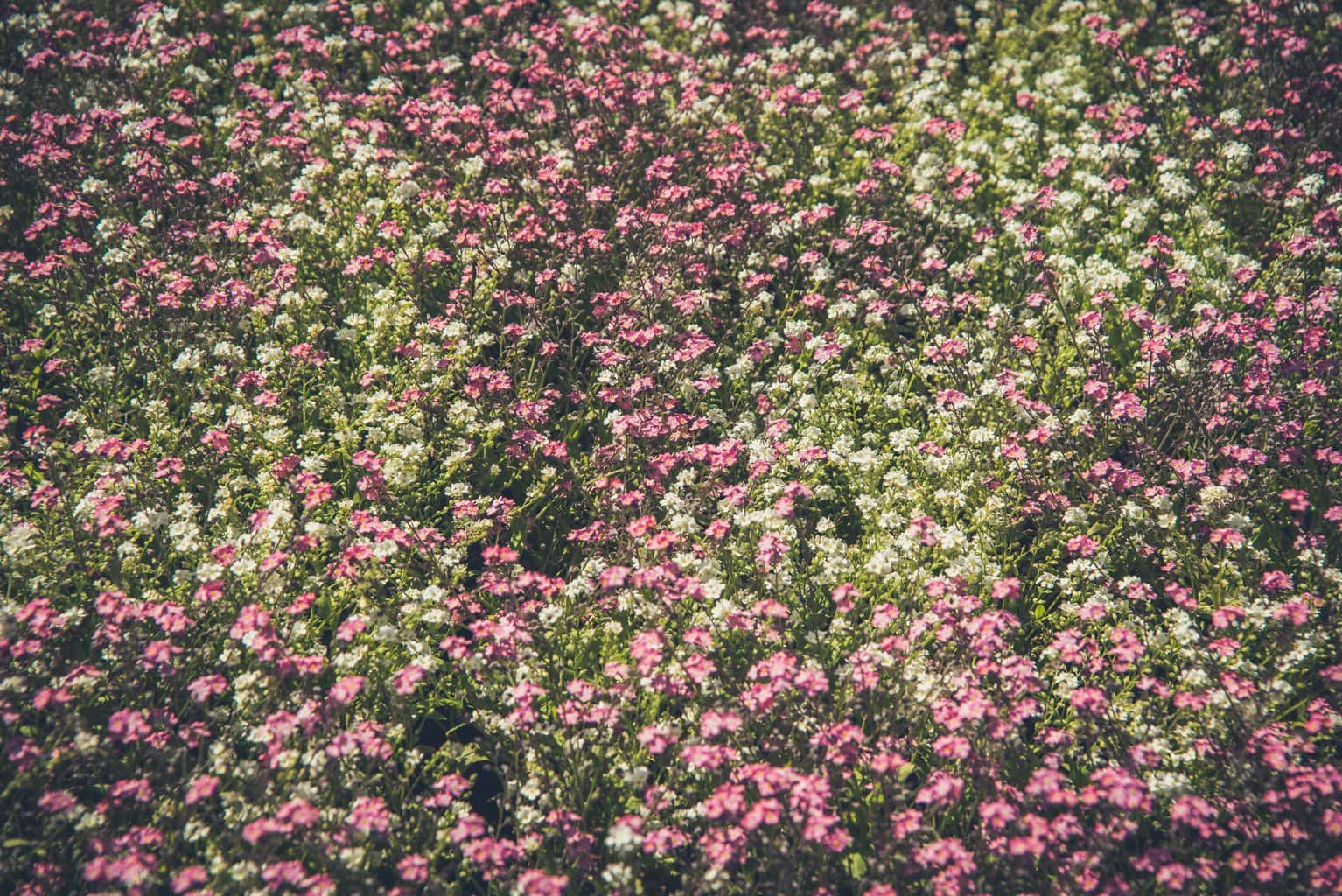
Many people think native plants look messy or untidy. When they imagine native plants, they picture wild meadows full of tall grasses and flowers growing in every direction.
While these landscapes are beautiful in nature, many homeowners believe they do not belong in neighborhoods with neat lawns, trimmed hedges, and carefully designed gardens.
However, gardening experts say this idea is outdated. Native plants can be just as attractive as non-native ornamental plants.
After you read this, we hope that you can validate the uniqueness of each native plant in your garden.
What Makes a Plant Native?

A native plant is a species that naturally evolved in a particular region without being introduced by humans. The area can be as small as one county or as large as an entire country. In general, the more local a plant is, the better it adapts to the climate, soil, and weather of that place.
Andrea DeLong-Amaya, Director of Horticulture at the Lady Bird Johnson Wildflower Center in Austin, Texas, believes the problem is not the plants themselves.
Instead, it is how people use them. “Native plants will work in any situation,” she says.”You can even use them to make a formal garden.” According to her, good garden design and maintenance make all the difference.
However, not every plant growing in the wild is truly native. Some species originally came from other countries and later spread into new environments. These are called introduced or naturalized plants. Even if they now grow freely, they are not considered native.
One well-known example is kudzu, a climbing vine from Asia. It grows so quickly that it has earned the nickname “the plant that ate the South” because it covers trees, buildings, and roadsides across the southeastern United States.
Other introduced plants include purple loosestrife, which invades wetlands, along with Hall’s honeysuckle, nandina, and privet. Some non-native plants are popular in home gardens because they are attractive or easy to grow.
For example, Fatsia japonica, which comes from Japan and Taiwan, is commonly planted in the southeastern United States because of its tropical appearance and ability to survive cold weather. Even though it grows well there, it is still not a native species.
How to Start Growing Native Plants

Learning about native plants is the first step to creating a successful native garden. DeLong-Amaya encourages gardeners to keep learning because there is always something new to discover. She also believes that making mistakes is part of the learning process.
One of the best ways to begin is by joining a local native plant society. These groups often organize plant sales, seed exchanges, workshops, and field trips where beginners can learn from experienced gardeners.
Visiting botanical gardens is another helpful idea. Many gardens display native plants in different settings, making it easier to see how they can be used in home landscapes. Local garden centers can also provide advice about which species grow best in your area.
Spending time in natural places is equally valuable. Observe which plants grow together, whether they prefer sunny or shady locations, and how they respond to different soil conditions.
These observations can help gardeners choose plants that are more likely to succeed in their own yards.
Choosing the Right Plants

Selecting native plants is much easier today because many organizations provide free online resources. One of the most useful is the Lady Bird Johnson Wildflower Center’s Native Plant Database, which includes information on more than 7,000 North American species.
Gardeners can search for plants based on their state, making it easy to find species naturally suited to local conditions. The database also allows users to filter plants by sunlight, soil type, bloom season, flower color, and plant type, such as trees, shrubs, vines, grasses, or ferns.
Besides helping people choose plants, the database also explains how each species supports wildlife and provides lists of native plant suppliers and conservation organizations.
One of the biggest advantages of native plants is that they are already adapted to local conditions. Over thousands of years, they have evolved to survive the area’s weather, soil, and seasonal changes. Because of this, they usually require less water, fertilizer, and pest control than many imported plants.
Native species have also developed natural resistance to many local insects and diseases. Once established, they often survive droughts, heavy rainfall, heat, and cold better than non-native plants.
This does not mean native gardens require no work. DeLong-Amaya points out that many people misunderstand this. “There is a misunderstanding that native plants don’t need maintenance because they are tough,” she explains.
Like any other garden, native landscapes still need regular care. Plants should be pruned to keep their shape, faded flowers should be removed when necessary, weeds need to be controlled, and even native plants may need watering during long periods of drought.
The difference is that they usually require much less maintenance over time than many exotic species.
More Than Just Beautiful Gardens

Native plants do much more than improve the appearance of a yard. They also create important habitats for wildlife.
Many native flowers provide nectar and pollen for bees, butterflies, beetles, flies, and other pollinators. Native trees and shrubs produce seeds, berries, and shelter for birds throughout the year. Small mammals, reptiles, and amphibians also benefit from healthy native landscapes.
These wildlife-friendly gardens become small ecosystems that help support biodiversity, especially in cities and suburbs where natural habitats have become fragmented.
Native plants can also improve soil health, reduce erosion, and absorb rainwater more effectively than many traditional lawns. Their deep root systems help water soak into the ground, reducing runoff and helping replenish groundwater supplies.
Another important benefit is that native gardens connect people with the natural history of where they live. Instead of creating landscapes that look the same everywhere, native plants reflect the character of each region.
As DeLong-Amaya puts it, “A garden in Michigan can look like Michigan, and a garden in Texas can look like Texas.” Every region has its own unique plants that tell the story of its climate, wildlife, and natural heritage.
A Different Way to Think About Gardening
For many years, gardeners believed that imported ornamental plants were the best choice for beautiful landscapes. Today, that idea is changing. More homeowners are discovering that native plants can be colorful, attractive, and surprisingly versatile.
Whether they are used in a formal garden, a backyard flower bed, or a wildlife-friendly landscape, native plants offer beauty while also supporting local ecosystems. They require fewer resources, provide food and shelter for wildlife, and help preserve regional biodiversity.
Choosing native plants is not only about making gardening easier. It is also a simple way for homeowners to protect nature, one garden at a time.
Sources:
Leave a Reply