


Road construction and maintenance can affect both land and water ecosystems. Typical environmental impacts include restriction of animal movements, habitat modification, soil erosion, aquatic contamination, and ecological fragmentation.
Aside from the aforementioned environmental impacts, development can also increase the mortality rate of wildlife species. Keep in mind that such destructive effects are more conspicuous in environmentally sensitive areas.
Highways are estimated to consume a minimum of 10 hectares of land per kilometer of road. This vast land is already sealed and lost as a natural habitat. Even rural areas account for a huge fraction of the total road network, though they consume less area per kilometer.
So, the question is, how can you minimize the damage caused by road development? The answer: sustainable road construction and maintenance.
Sustainable road construction and maintenance are essential to the world where rising sea levels and carbon dioxide emissions are of concern. The road development industry is one of the world’s major contributors to global warming.
Here are some ways to promote sustainability in road construction and maintenance:
Asphalt Preservation
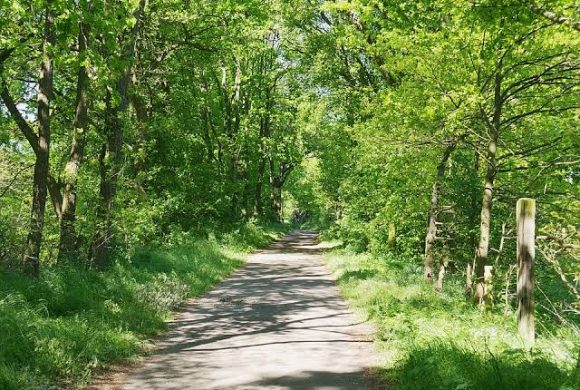
Asphalt is one of the strongest road construction materials. It can stand the test of time, yet it doesn’t mean it won’t succumb to the pressure from passing vehicles.
Investing in preservation methods can help extend the asphalt’s lifespan before costly reconstruction and rehabilitation are required. These include complete seal coat application, hot mix overlaying, micro-surfacing, scrub seals, and crack sealing.
Here are other benefits of asphalt preservation:
- Good For The Environment
Asphalt preservation leads to more than 90% carbon reduction compared to traditional road resurfacing and uses 80% less non-renewable resources than road construction.
- Healthy Traffic Flow
Extensive road damage will require more reconstruction and rehabilitation. Pavements maintained in good condition through asphalt preservation will have less traffic due to construction.
- Saves Money
Pavement maintenance is lower with asphalt preservation. It keeps the road structure strong, avoiding significant repairs and costly damage. Did you know that every dollar spent on pavement maintenance is 10 dollars saved on road reconstruction costs?
Asphalt preservation is an excellent way of prolonging the lifespan of asphalt, reducing maintenance costs, and protecting the environment.
Use Low-Carbon Materials
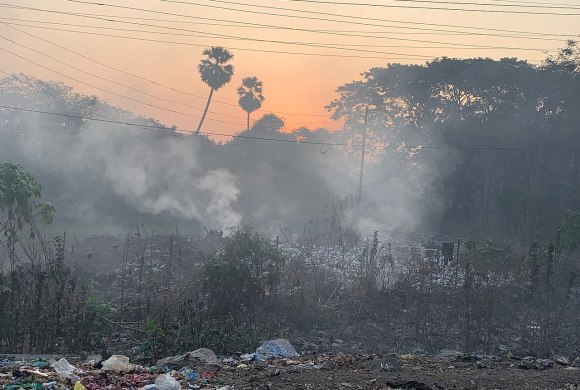
Conventional asphalt isn’t as perfect as it seems. It’s so heavy, causing road surfaces to crack due to the constant load of traffic and creating potholes. To prevent potholes, road construction companies need an alternative solution—low-carbon materials.
Low-carbon materials are excellent alternatives to asphalt and are effective in reducing the global greenhouse effect. These include recycled plastic and wood waste, which are lighter and longer-lasting than concrete.
There are two low-carbon materials road development companies can use in place of conventional asphalt:
- Low-Carbon Concretes
Concrete is a widely used material in road construction thanks to its strength and ability to withstand extreme temperatures and humidity. And it provides a better riding experience while providing support for trucks and other vehicles carrying heavy loads.
Nonetheless, concrete is energy-intensive, producing significant carbon dioxide levels in the atmosphere. To reduce CO2 emissions, road construction companies may substitute a fraction of cement with slag and fly ash.
Slag is a by-product of metallurgy, like aluminum smelting, while fly ash is a by-product of coal-powered generation. This makes them an excellent alternative to standard concrete and asphalts.
- Warm Mix Asphalts (WMA)
WMA is an effective way to minimize CO2 emissions from road development and maintenance. It produces fewer greenhouse gas emissions and minimizes noise pollution during road construction.
Construction companies may use these two low-carbon materials instead of conventional asphalt and concrete. Not only are they cost-efficient yet eco-friendly too, as they significantly reduce greenhouse gas emissions in the long run.
Use Energy-Saving Asphalt Road

Asphalt is arguably the world’s most common material for road surfacing. It’s the most environmentally-damaging material because of its massive carbon footprint as well.
Average asphalt have a lifespan of only 20 years, which are then replaced with new ones. The removed asphalt will end up in incinerators or landfills, releasing carbon dioxide into the atmosphere.
If road construction companies could make asphalt last longer, everyone would have more eco-friendly, sustainable roads. Sustainability is essential because it reduces carbon footprint, which promotes global warming. This is where energy-saving asphalt comes in.
An energy-saving asphalt uses less cement, reducing carbon emissions by as much as 50% during production. In addition, it has added silicon fumes, a by-product that replaces a fraction of cement to increase the durability and binding properties of the final asphalt mixture.
This asphalt mixture minimizes carbon emissions in road resurfacing by up to 75% and up to 30% in road construction.
Use Sustainable Road Drainage Systems
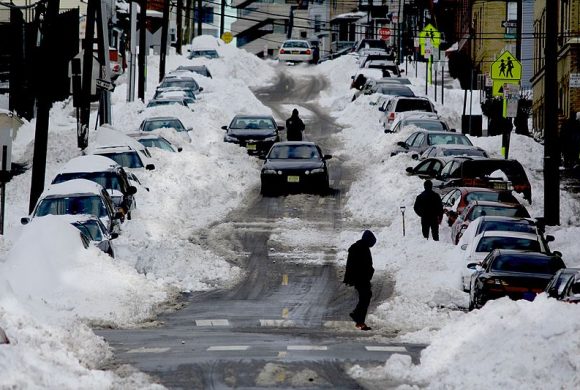
Sustainable drainage systems are one of the most effective ways to promote sustainable roadways construction. These solutions offer a number of advantages over traditional ones.
First, sustainable drainage systems are energy-efficient. The energy that pushes water away from pavements can also be used to clean the drainage.
Second, sustainable drainage systems require minimal maintenance. Traditional drains require regular maintenance work because of the debris that may accumulate over time.
On the other hand, sustainable drainage systems don’t need this type of work because they can filter debris before it enters the drainage system or blocks the pipes.
Third, sustainable drainage systems are eco-friendly because they minimize stormwater pollution and the risk of flood by preventing water run-offs.
What Is The Most Sustainable Method Of Road Construction And Maintenance?
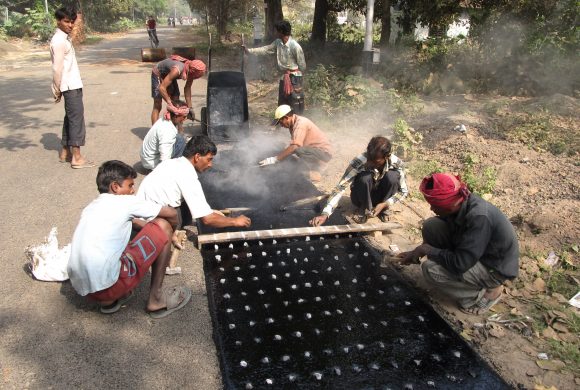
The most sustainable method uses sustainable and eco-friendly materials, such as recycled items, renewable energy, and low-carbon products.
Recycling construction materials is an excellent way to lessen the need for new items and the amount of waste in incinerators and landfills. Plus, it reduces the amount of energy required to create new products. This is especially true for asphalt, which is made from non-renewable materials, particularly natural gas and crude oil.
Further, using recycled materials can help construction companies to save money because fewer materials have to be purchased. Plus, it minimizes carbon emissions from cars and trucks passing the roads.
Final Thoughts
Roadway construction and maintenance is one of the major contributors to overall greenhouse gas emissions. Sustainable road development requires a plan with an agenda to convert existing road systems into sustainable ones.
Follow the eco-friendly methods mentioned above to create better modes of transportation that are good for the environment.
Leave a Reply