

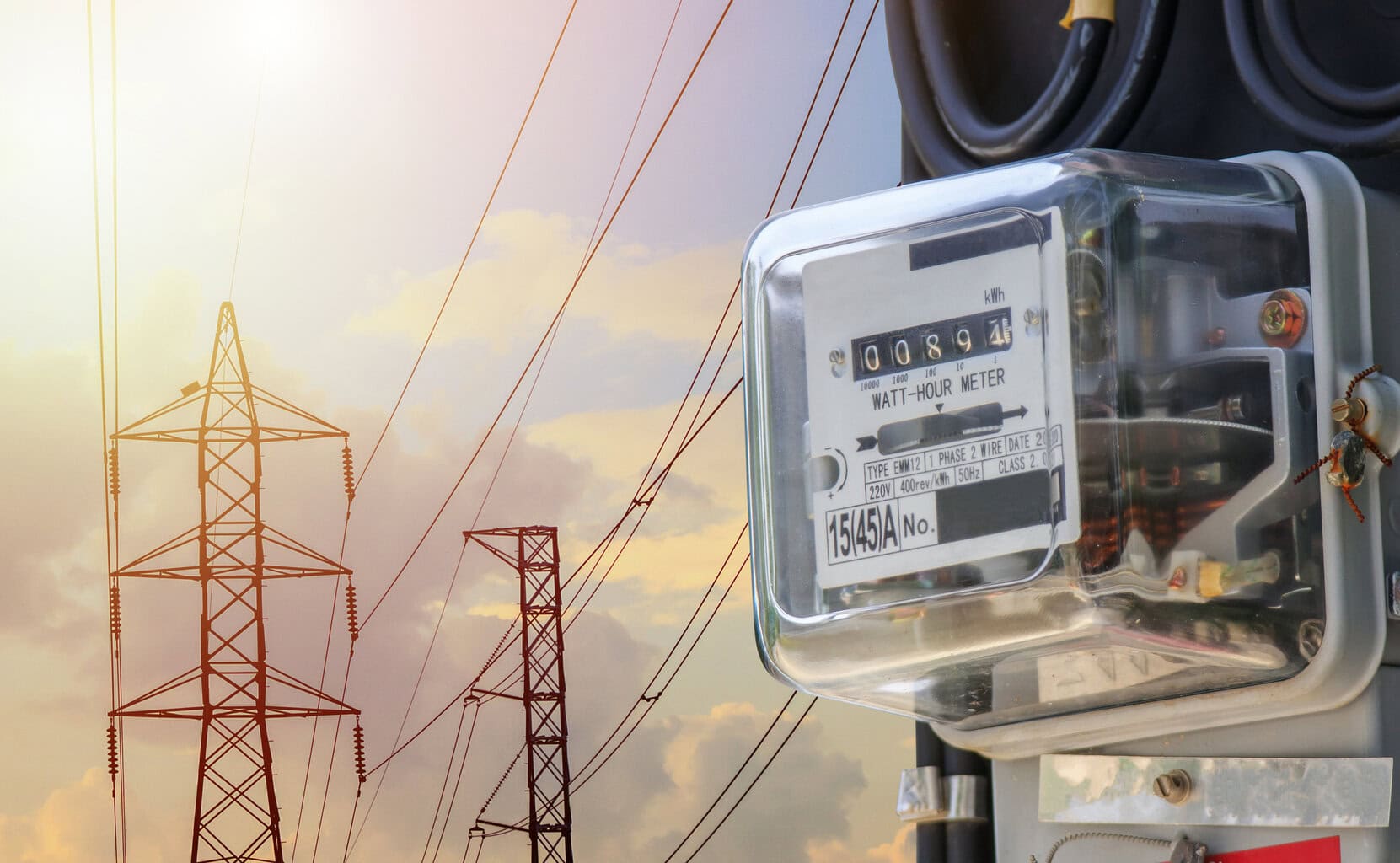
Modern homes are demanding more electricity than ever before. Between electric vehicles sitting in the garage, smart home devices running around the clock, home offices packed with equipment, and the growing trend of replacing gas appliances with electric ones, the average household’s power consumption has climbed dramatically over the past decade.
If you are feeling the strain on your electrical system — lights flickering, breakers tripping, or outlets that just cannot keep up — you are not imagining things. Your home may simply not be equipped for the life you are living in it today.
The good news is that preparing your home for increased power demand is very manageable when you take it step by step. Here is what you need to know.
Start With an Honest Assessment of Your Current Usage
Before you spend a single dollar on upgrades, take a hard look at what your home is actually using. Pull out your electricity bills from the past year and look at your monthly kilowatt hour usage.
Then walk through your home and think about what has changed recently. Did you add a home gym? Set up a dedicated workspace with multiple monitors and a laser printer? Install a hot tub? Each of these additions puts new stress on your system.
Talk to a licensed electrician about doing a load calculation. This is a formal process where a professional measures how much power your home’s circuits are actually carrying versus how much they were designed to handle.
Many older homes were built when a family’s electrical needs were a fraction of what they are today, and a load calculation will tell you exactly where you stand.

Understand What Your Electrical Panel Can Handle
Your electrical panel is the heart of your home’s power system. It controls how electricity flows to every room, every outlet, and every appliance.
Most older homes have panels rated at 100 amps, which was plenty in the 1970s and 1980s but falls well short of what a modern household needs. Today, 200 amp service is considered the standard minimum for a new home, and larger homes with heavy electrical loads often benefit from 400 amp service.
If your panel is old, overcrowded, or frequently trips breakers, it is worth having it evaluated. Many homeowners are surprised to learn that their panel is operating far beyond what it was designed for.
In situations like this, electrical panel upgrades become necessary rather than optional. A new panel not only gives you the capacity you need today but also provides room to grow as your power needs increase in the years ahead.
Think About EV Charging Before You Need It
Electric vehicles are no longer a niche product. If you do not own one yet, there is a reasonable chance you will within the next five to ten years.
Level 2 home charging, which is what most EV owners eventually install, requires a dedicated 240 volt circuit and can draw anywhere from 16 to 50 amps depending on the charger. That is a significant load, and your existing panel needs to be able to accommodate it.
Even if you are not buying an EV right now, this is worth thinking about during any electrical upgrade project. Adding the infrastructure for EV charging while your electrician is already doing other work will almost always be cheaper than coming back to do it separately later.

Upgrade Your Wiring Where It Matters Most
Panel capacity is only part of the picture. The wiring running through your walls also has limits. Older homes with aluminum wiring or undersized circuits for high demand areas can create safety risks and performance problems even with a modern panel.
Kitchens and bathrooms typically need dedicated circuits for major appliances. Laundry rooms with electric dryers and washing machines need proper wiring to run efficiently.
Home offices with servers, multiple computers, or recording equipment can easily overwhelm a standard circuit. An electrician can identify which areas of your home need dedicated or upgraded circuits and take care of them in a way that meets current safety codes.
Do Not Overlook Surge Protection
When you increase the amount of electronics and appliances running in your home, you also increase the stakes when it comes to power surges. A whole home surge protector installed at your electrical panel guards everything in your house at once, from your HVAC system to your refrigerator to your television. It is one of the most cost effective protective measures available, and it is something most homeowners never think about until after something gets fried.
Point of use surge protectors at individual outlets are still useful for sensitive electronics, but they work best when combined with a whole home system. Think of it as two layers of protection instead of one.

Plan for Future Energy Sources
More homeowners are looking at solar panels, battery storage systems systems like the Tesla Powerwall, and whole home generators as ways to increase energy independence and resilience.
Each of these systems has specific electrical requirements, and planning for them now even if you are not ready to install them yet can save you from having to redo work later.
If solar is on your five year horizon, mention it when you talk to your electrician. A forward thinking electrician can make decisions during your current project that will make a future solar installation smoother and less expensive.
Work With a Professional You Trust
All of this work needs to be done by a licensed electrician who knows the local codes and has experience with residential systems. Electrical work is not a place to cut corners, and it is not something to hand off to someone without proper credentials.
A good electrician will not just do the work you ask for. They will walk through your home, ask about your plans and lifestyle, and help you think through what your system needs to handle now and in the future.
Preparing your home for increased power demand is an investment in safety, comfort, and long term value. The earlier you address it, the better positioned you will be for everything the modern world is going to keep throwing at your electrical system.
Leave a Reply