


Protected areas, once seen as mere sanctuaries for biodiversity, have taken on a newfound significance in the face of escalating climate change. These precious havens encompass a diverse range of habitats, including forests, wetlands, grasslands, and marine ecosystems, that now serve as crucial carbon sinks.
With the world grappling with rampant fossil fuel emissions, the ability of these areas to absorb and store substantial amounts of carbon dioxide from the atmosphere has become a natural solution of paramount importance.
At the heart of their carbon-sequestering prowess lies the process of photosynthesis. Plants, trees, and marine vegetation engage in this vital mechanism, absorbing carbon dioxide and transforming it into energy while releasing life-sustaining oxygen back into the air.
But apparently many of us still don’t understand the importance of protected areas. Those who don’t understand don’t even know whether they should understand about it.
So, here in this article let’s talk about newest study about why protected areas are important.
Significance of Protected Areas
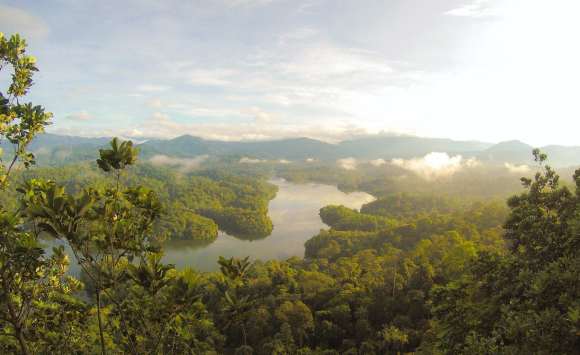
Amid escalating climate change, protected areas have emerged as crucial carbon sinks, offering a natural solution to counter rampant fossil fuel emissions. Encompassing diverse habitats like forests, wetlands, grasslands, and marine ecosystems, they possess a remarkable ability to absorb and store substantial amounts of carbon dioxide from the atmosphere.
Protected areas act as carbon sinks primarily through photosynthesis. Plants, trees, and marine vegetation absorb carbon dioxide during photosynthesis, converting it into energy while releasing oxygen back into the atmosphere. This sequesters carbon in the ecosystems’ biomass, effectively mitigating greenhouse gas concentrations.
Moreover, these areas serve as buffers against deforestation, land degradation, and unsustainable practices, major drivers of carbon emissions. By preserving natural habitats, they prevent the release of stored carbon, minimizing the human carbon footprint.
Recent studies emphasize the significance of intact and healthy ecosystems in enhancing carbon sequestration potential. Those with high biodiversity and robust structures tend to sequester more carbon, with tropical rainforests standing out for their dense plant species and rapid biomass growth rates.
To optimize their potential, stronger conservation efforts are essential. “These forests are the most threatened by human pressure, so protected areas are particularly important here,” said Laura Duncanson, an assistant professor of geographical sciences at the University of Maryland and lead author of the new paper.
Implementing strict protection measures, monitoring ecosystem health, restoring degraded areas, promoting sustainable land management practices, and reducing human disturbances can significantly enhance their capacity to combat climate change.
Enhanced Conservation Efforts

As the global climate crisis intensifies, bolstering conservation efforts within existing protected areas and expanding their coverage is imperative. These efforts are essential to maximize the capacity of these vital ecosystems to sequester carbon and contribute significantly to climate change mitigation.
Strengthening conservation within existing protected areas involves implementing stricter protection measures to prevent deforestation, habitat destruction, and illegal resource extraction. By minimizing human disturbances and ensuring the preservation of intact ecosystems, the carbon sequestration potential of these areas can be fully harnessed.
Moreover, restoring degraded ecosystems within protected areas can further enhance their carbon storage capabilities. Reforestation, afforestation, and habitat restoration initiatives can help revitalize natural carbon sinks, increasing their resilience and ability to absorb atmospheric carbon.
Simultaneously, expanding the coverage of protected areas is critical to combat the ongoing threats posed by climate change. Identifying and designating new areas as protected reserves can safeguard ecologically important landscapes, which have the potential to sequester significant amounts of carbon.
“This study supports continued protection and expansion of protected areas as one approach to climate action. Of course, this is still a relatively small piece of the picture — forest conservation alone will never solve the crisis without drastic cuts in fossil fuel emissions,” said Laura.
Biodiversity and Ecosystem Services

Beyond their role as carbon sinks, protected areas offer invaluable benefits through biodiversity conservation and the provision of essential ecosystem services. Preserving these ecosystems is essential for maintaining the delicate balance of nature and ensuring a sustainable environment for present and future generations.
One of the primary advantages of protected areas is their capacity to support biodiversity. These regions often harbor a rich array of plant and animal species, including rare and endemic ones. Safeguarding diverse ecosystems ensures the survival of these species, contributing to the resilience and adaptability of the entire biosphere.
Additionally, protected areas play a pivotal role in preserving keystone species and facilitating ecological interactions. Such intricate connections within ecosystems enable the maintenance of ecological stability and resilience, making it less susceptible to disturbances like climate change and invasive species.
Moreover, these areas provide vital ecosystem services that are indispensable to human well-being. Wetlands, for instance, act as natural water purifiers, filtering pollutants and ensuring a steady supply of clean water. Forests, on the other hand, play a critical role in regulating local and global climates, reducing the impact of extreme weather events and mitigating the effects of climate change.
Collaborative Solutions

Preserving the integrity of protected areas is vital for sustaining the essential services they offer, which are fundamental for human survival and economic prosperity. By recognizing the interconnectedness of nature and valuing the benefits it provides, we can make informed decisions that promote conservation and sustainable resource use.
To optimize the role of protected areas in combating climate change and reaping their full benefits, international cooperation and partnerships between governments, non-governmental organizations (NGOs), and local communities are vital. Collaborative initiatives can enhance monitoring, research, and sustainable management practices, making protected areas powerful tools for addressing the global climate crisis.
Governments are crucial in creating and managing protected areas, fostering international collaboration for transboundary efforts and combating illegal activities like wildlife trafficking and illegal logging.
Non-governmental organizations (NGOs) and conservation groups complement governmental efforts by providing scientific expertise, advocacy, and financial support. They raise awareness about the importance of protected areas, mobilize resources for conservation projects, and collaborate closely with local communities to foster sustainable development practices.
And last but not least, local communities are essential in managing protected areas. Involving them in decision-making creates better conservation strategies that respect their traditions, and offering incentives like eco-tourism ensures long-term preservation of these habitats.
Sources:
https://www.earthdata.nasa.gov/
Leave a Reply