


Let’s say thanks to sea otters. In California’s marshlands, erosion is a major concern due to the activities of striped shore crabs. These crabs weaken marsh banks by burrowing and feeding on marsh grass roots, making them vulnerable to collapse during storms.
However, sea otters have emerged as an unexpected solution. With their appetite for striped shore crabs, these furry ocean dwellers are combating erosion. Researchers found that areas with them experienced slower erosion rates, preserving marshland habitat.
Want to know more about this unlikely hero? Here, in this article we are going to talk about it.
Sea Otters vs. Erosion
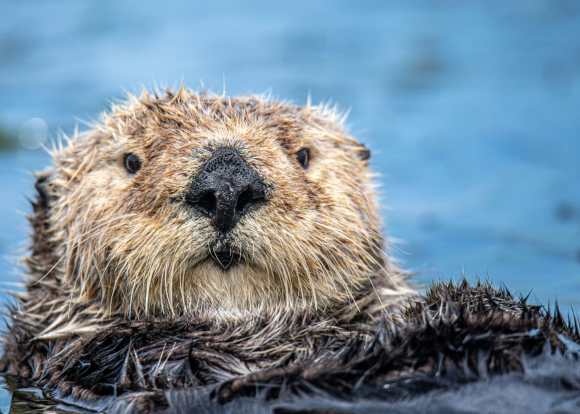
Historically, the marshlands have faced significant erosion, largely attributed to the activities of striped shore crabs. These crabs dig burrows and feed on the roots of marsh grass pickleweed, which holds the soil together.
As a result, the marsh banks become weakened, resembling “Swiss cheese,” making them susceptible to collapse during storms or high waves. The return of sea otters to these marshlands has emerged as a surprising solution to this erosion problem.
Sea otters are known for their voracious appetite, and one of their favorite foods happens to be the striped shore crabs. By preying on these crabs, they help control their population and reduce their impact on the marsh ecosystem.
Researchers conducted a study in a tidal estuary near Monterey, California, to assess the impact of sea otters on erosion rates. They found that areas where they were present experienced slower erosion rates compared to areas where otters were absent.
While sea otters may not completely reverse erosion, they significantly slow it down to natural levels, thereby preserving the integrity of the marshland habitat. This study adds to the growing body of research highlighting the importance of top predators, like sea otters, in maintaining ecosystem stability.
Similar to the role of wolves in Yellowstone National Park, sea otters help regulate prey populations and prevent ecological imbalances. Overall, the return of sea otters to California’s marshlands represents a positive step towards ecosystem restoration and resilience against erosion.
Sea Otters Recovery
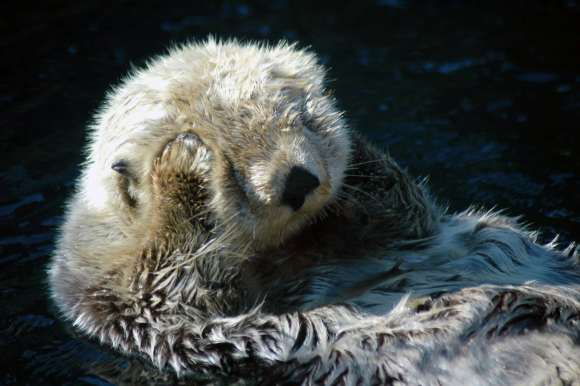
In the 19th century, sea otters faced a significant threat due to the fur trade, leading to a drastic reduction in their population. At one point, their global population dwindled to as few as 2,000 individuals, primarily concentrated in Alaska.
Efforts to protect sea otters and restore their habitat have led to their gradual return to California’s coastal waters. Bans on hunting and ongoing habitat restoration initiatives have contributed to the recovery of sea otter populations. The first signs of sea otter return to Elkhorn Slough were observed in 1984, marking a significant milestone in their recovery efforts.
In addition to conservation measures, programs such as the Monterey Bay Aquarium’s initiative to raise and release orphaned sea otters have played a crucial role in bolstering the otter population in the region.
These efforts have contributed to the resurgence of sea otters in Elkhorn Slough and other coastal areas, demonstrating the effectiveness of conservation strategies in supporting threatened species. The return of sea otters to Elkhorn Slough signifies a positive shift in the health of coastal ecosystems.
By reintroducing this keystone species, researchers aim to restore ecological balance and promote the recovery of other marine species and habitats. The success of sea otter recovery efforts underscores the importance of conservation partnerships and ongoing monitoring to ensure the long-term survival of vulnerable species in their natural habitats.
The Other Way to See It

Researchers conducted a comprehensive study to analyze the impact of sea otters’ return on erosion rates, dating back to the 1930s. By setting up fenced areas to exclude otters from certain creek sections for three years, they were able to observe and compare erosion rates in areas with and without otters.
The study revealed that areas where they were present experienced significantly slower erosion rates compared to areas where otters were excluded. This finding provides compelling evidence of the direct influence of sea otters on marshland stability.
By preying on striped shore crabs, which are known to burrow into marsh banks and feed on marsh grass roots, they effectively control the population of these destructive crabs. The burrowing activity of striped shore crabs weakens the structural integrity of marsh banks, making them more susceptible to erosion from waves and storms.
By reducing the abundance of these crabs, sea otters help preserve the integrity of marshland ecosystems and mitigate the impacts of erosion. While they may not entirely reverse erosion, their presence slows it down to natural levels, thus promoting the resilience of coastal habitats.
This study adds to the growing body of research highlighting the ecological importance of top predators in maintaining ecosystem health and stability. Similar to the role of grey wolves in controlling prey populations and shaping landscapes in terrestrial ecosystems, they play a crucial role in regulating prey species and preserving coastal habitats.
Predator Impact

The research on the impact of sea otters on marshland erosion aligns with previous studies demonstrating the significance of top predators in stabilizing ecosystems. Notably, the reintroduction of grey wolves in Yellowstone National Park resulted in the regulation of elk and moose populations, which in turn mitigated riverbank erosion and promoted the growth of vegetation.
Their ability to control the population of striped shore crabs contributes to the overall health and resilience of marshland ecosystems. By limiting the activities of these destructive crabs, they help maintain the structural integrity of marsh banks and reduce the risk of erosion during storms and high waves.
Moreover, the mammals play a critical role in supporting the recovery of kelp forests by controlling the population of sea urchins, which feed on kelp. The study’s rigorous methodology leaves no doubt about the significant impact of sea otters on marshland stability, as evidenced by the comparison of erosion rates in areas with and without otters.
This scientific evidence underscores the importance of conserving and restoring predator populations to promote ecosystem health and resilience. The findings of the study highlight the interconnectedness of species within ecosystems and the importance of preserving biodiversity to ensure their long-term sustainability.
By recognizing the ecological roles of top predators like sea otters, researchers and conservationists can develop more effective strategies for ecosystem management and restoration, ultimately benefiting both wildlife and human communities that depend on healthy coastal ecosystems.
Sources:
Leave a Reply