

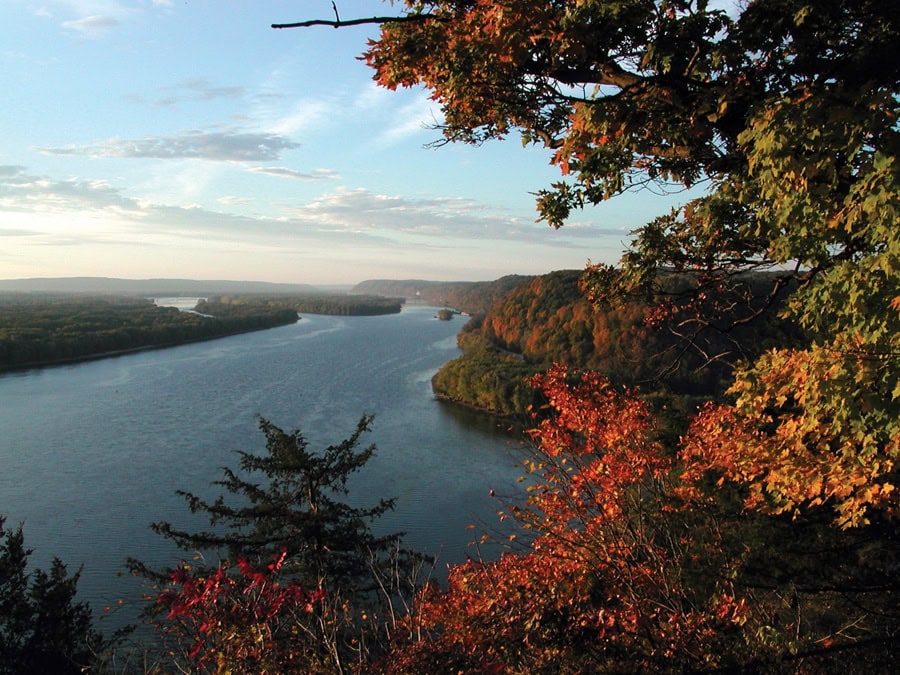
Wildfires are often associated with destruction, loss, and environmental damage. In regions such as California, massive fires can destroy forests, homes, wildlife habitats, and entire communities within days.
Recovery for people may take years, while damaged ecosystems can appear lifeless immediately after a fire passes through. However, nature sometimes responds to these disasters in surprising ways.
In certain dry regions, intense wildfires can help create one of the most spectacular natural events known as a super bloom. During a super bloom, vast landscapes become covered with colorful wildflowers that spread across valleys, deserts, and hillsides.
What Is a Super Bloom?
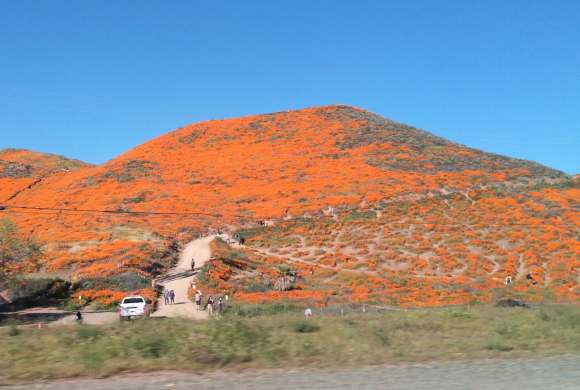
A super bloom is an unusually large and dense growth of wildflowers that occurs over a wide area during a single flowering season. Unlike normal seasonal blooms, super blooms create massive displays of color so intense that they can sometimes be seen from space.
Fields that are usually dry and brown suddenly become covered with bright orange poppies, purple lupins, yellow daisies, and many other flowers.
Super blooms are relatively rare because they require a precise combination of environmental conditions. In California, major super blooms have only occurred a few times over recent decades, including notable events in 1999, 2009, and 2017.
These events attract enormous public attention because the transformation of normally arid landscapes appears almost unbelievable.
Wildflowers in desert ecosystems are specially adapted to survive long periods of drought and extreme temperatures. Many of their seeds can remain dormant underground for years while waiting for the right conditions to grow.
During ordinary years, only small numbers of flowers may bloom. However, when conditions become nearly perfect, millions of seeds germinate at the same time, creating a super bloom.
These events are not random. Temperature, soil condition, sunlight, and especially rainfall all influence whether a super bloom will happen. Even small changes in weather patterns can determine whether a region experiences a spectacular bloom or almost none at all.
The Role of Wildfires
Although wildfires seem destructive, they can actually prepare the environment for new plant growth by changing soil conditions, removing competition, and triggering dormant seeds to germinate.
Although wildfires destroy vegetation, they can also help prepare ecosystems for future plant growth. Many plant species in fire-prone environments have evolved alongside natural fires for thousands of years.
Instead of completely harming the ecosystem, fires can sometimes reset it and create opportunities for new life. One important effect of wildfires is the removal of dense vegetation. Before a fire, shrubs, grasses, and other plants compete for sunlight, water, and nutrients.
After the fire burns away this plant cover, the landscape becomes more open. Wildflower seeds buried underground suddenly gain greater access to sunlight and space needed for growth.
Heat from the fire also plays a direct role in seed germination. Some wildflower seeds are covered by tough outer layers that prevent water and oxygen from entering.
Extreme heat can weaken or crack these protective coatings, allowing the seeds to absorb moisture once rainfall arrives. In this way, fire acts as a natural signal that conditions may soon become favorable for growth.
In California chaparral ecosystems, fire is considered an important part of ecological renewal. Some scientists describe this process as the “rejuvenation of the chaparral.” Without periodic fires, certain native plant communities may struggle to regenerate naturally.
However, fire alone is not enough to create a super bloom. If dry conditions continue after the fire, many seeds will remain dormant. Rainfall is therefore the second major ingredient necessary for widespread flowering.
Rainfall and Weather
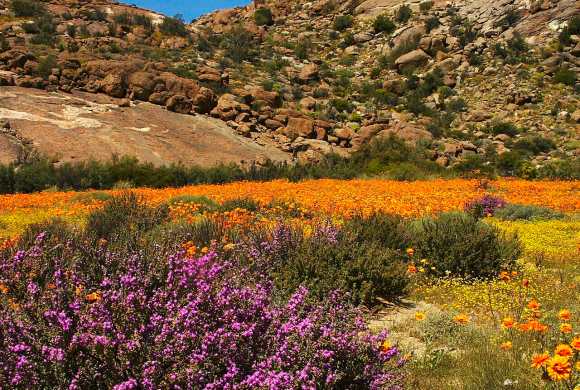
After wildfires clear the landscape and activate dormant seeds, large amounts of rainfall are needed to support plant growth. Water allows seeds to germinate, roots to develop, and flowers to spread across the landscape.
California’s super blooms are often linked to unusually wet winters. During the years leading to famous bloom events, some areas received rainfall totals far above average. Moist soil combined with mild temperatures creates ideal conditions for rapid plant growth.
Meteorologists explain that timing is extremely important. Heavy rain that arrives too early or too late may not support flowering effectively. Temperatures also need to remain moderate. Extreme heat can dry out seedlings before they mature, while freezing temperatures may damage young plants.
The amount of rainfall required for a super bloom can vary by region. Some desert areas need several strong winter storms before enough moisture accumulates in the soil. Scientists studying California’s ecosystems often monitor rainfall closely during winter months because it helps predict whether a major bloom may occur in spring.
Climate patterns such as El Niño can also influence super blooms by bringing wetter-than-normal conditions to dry regions. These weather systems sometimes increase the likelihood of widespread flowering events.
Despite the excitement surrounding super blooms, experts note that predicting them remains difficult. Even when wildfire conditions and rainfall appear promising, unexpected temperature changes or drought conditions can still reduce the scale of the bloom.
Impacts of Super Blooms

Super blooms provide important ecological benefits beyond their visual beauty. Large numbers of flowers support pollinators such as bees, butterflies, and birds by providing abundant nectar and pollen sources. Increased plant growth can also stabilize soil, reduce erosion, and contribute nutrients back into the ecosystem.
For wildlife, super blooms may temporarily improve food availability and habitat conditions. Insects, small mammals, and grazing animals often benefit from the sudden increase in vegetation.
At the same time, super blooms can create major social and economic impacts. Famous bloom events attract enormous numbers of tourists hoping to photograph the flowers or experience the rare landscapes firsthand. During California’s 2017 super bloom, hundreds of thousands of visitors traveled to desert parks and small towns.
Communities near bloom locations have since improved preparation strategies by adding portable toilets, distributing visitor maps, and organizing traffic management systems. Officials also encourage tourists to respect fragile ecosystems by staying on designated paths and avoiding damage to flowers.
Scientists warn that human activity can unintentionally harm the very landscapes people come to admire. Trampling flowers, driving off-road, and removing plants can damage seed banks needed for future blooms.
Super blooms therefore represent both the resilience and fragility of natural ecosystems. They show nature’s ability to recover after destruction while also showing how environmental balance depends on careful conditions and responsible human behavior.
Although wildfires are devastating events, the appearance of a super bloom reveals an important ecological truth, destruction in nature is sometimes followed by renewal. Through the interaction of fire, rainfall, climate, and dormant seeds, barren landscapes can transform into fields of extraordinary color and life.
Sources,
Leave a Reply