


Luxury and sustainability, once considered mutually exclusive, are now intertwining to create a new paradigm in the tourism industry. This shift reflects a growing awareness among travelers and industry leaders alike of the urgent need to protect our planet while still indulging in exceptional experiences. This blog post explores the exciting developments in eco-friendly luxury travel, from sustainable accommodations to gourmet dining and beyond. Join us as we delve into the practices shaping the future of high-end, environmentally-conscious tourism.
Sustainable Accommodations: Where Luxury Meets Eco-Consciousness
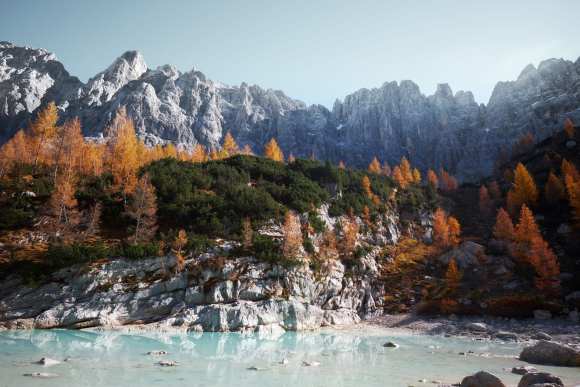
The eco-luxury movement is being driven by the hospitality sector, as more luxurious properties embrace sustainable practices without compromising comfort or design. At the forefront, luxury eco-resorts are setting new standards for environmentally friendly travel. These cutting-edge companies offer guests an opulent stay that is consistent with their environmental beliefs by fusing state-of-the-art green technologies with first-rate comforts. The use of solar power, renewable energy systems, rainwater collection, and greywater recycling are a few examples of sustainable practices. The rise of green luxury in high-end travel signifies a dramatic change in direction toward sustainable methods that place equal emphasis on environmental responsibility and extravagance.
Rich tourists are choosing more and more experiences that reduce their environmental effects, from private aircraft charters that offset carbon emissions to five-star resorts that use solar electricity and eco-friendly building materials. jackson hole vacation rentals exemplify this trend, offering elegant lodgings amidst breathtaking natural landscapes while adhering to sustainable principles. This development shows the growing awareness among visitors and hospitality providers about the need to incorporate sustainability into high-end travel experiences.
Eco-Conscious Transportation: Traveling in Style and Sustainability

Luxury travel involves a lot of transportation, and the travel sector is starting to prioritize sustainability without compromising convenience or comfort. Luxury automobile manufacturers are leading the way in adopting electric and hybrid cars, offering high-end models that balance outstanding performance with environmental responsibility. With features like zero or low emissions, quiet operation, state-of-the-art technology, and lower running costs, these cars appeal to discerning travelers seeking both luxury and environmental friendliness.
Similar changes are being made to the private aviation company, which has long been associated with opulent travel, to lessen its carbon footprint. The adoption of sustainable aviation fuels (SAF), carbon offsetting campaigns, advances in aircraft economy, and better flight planning to reduce fuel usage are examples of innovations.
Gourmet Dining and Sustainable Cuisine: A Feast for the Senses and the Planet
Luxury dining has evolved beyond offering the best food to include sustainability, addressing consumers’ growing concerns about the environmental impact of their dietary choices. An increasing number of upscale dining establishments are embracing farm-to-table methods, working with nearby farmers to source organic, fresh products. While seasonal menus highlight the aromas of the local terroir, this also lowers carbon emissions linked to food transportation and ensures superior quality while boosting local companies.
At the same time, fine dining establishments are taking on food waste through the use of creative zero-waste programs. Cooks are instituting composting programs, trying root-to-stem and nose-to-tail cuisine, and creating new recipes out of food leftovers that they otherwise would have given to food banks and charitable organizations.
Conservation and Wildlife Experiences: Luxurious Encounters with Nature

Eco-friendly luxury travel now includes immersive experiences with nature that give priority to conservation initiatives, in addition to sustainable lodging and food. Experiences that give high-end tourists a chance to actively support animal conservation while establishing close ties with the environment are growing more and more appealing to them. At the forefront of this movement are opulent wildlife sanctuaries and safari camps, which work closely with environmental groups to provide visitors with encounters like exclusive access to conservation areas, private guided tours led by educated naturalists, and participation in wildlife tracking and monitoring programs.
These trips are enhanced by opulent lodgings that are engineered to reduce their ecological footprint. IEthical guidelines ensure that wildlife encounters are educational and respectful, emphasizing values such as avoiding direct contact with wild animals, observing animals in their natural habitats, supporting reputable rescues and sanctuaries, and educating visitors about conservation issues. A rising awareness among luxury visitors of their responsibility to safeguard and conserve the natural world is reflected in this shift towards ethical and conservation-focused tourism.
Eco-Friendly Adventure Activities: Thrills with a Conscience
Luxury tour operators are rising to the issue of meeting the demand from adventure seekers who are looking for techniques to satiate their need for adrenaline while still stressing environmental conservation. Today’s premium adventure experiences are created with sustainability as their primary goal, attempting to have as little of an impact as they can on the environment. These environmentally friendly activities include hot air balloon safaris over protected landscapes, sustainable yacht rentals for ocean exploration, electric snowmobiling in pristine alpine settings, or luxurious eco-lodges for detached hiking trips.
To mitigate the unavoidable environmental impact of such activities, numerous luxury suppliers now promote carbon offset initiatives. Through these programs, travelers can effectively balance adventure with environmental responsibility by contributing to projects like reforestation, renewable energy development, methane capture from landfills, and the distribution of energy-efficient cookstoves in poor nations.
Sustainable Spa and Wellness: Nurturing Body, Mind, and Planet
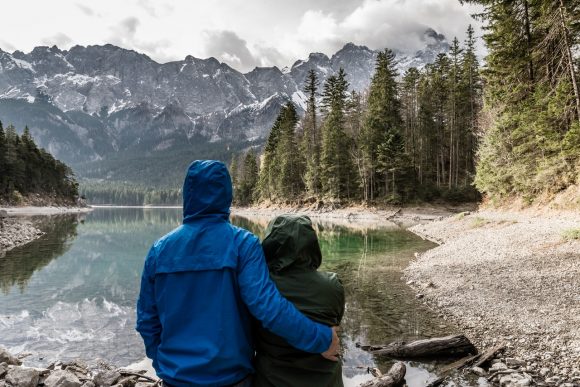
As the luxury spa and wellness sector recognizes that true well-being encompasses not just one’s health but also the health of the planet, it is undergoing an unprecedented shift towards sustainability. Luxurious spas are increasingly giving their clients a guilt-free route to recuperation and rejuvenation by including sustainable practices and supplies in their offerings.
These efforts include using skincare products that are organic and locally sourced, adopting water conservation measures, adopting energy-efficient lighting and equipment, and using natural, biodegradable linens and robes. In a similar vein, luxury wellness retreats are putting more of an emphasis on sustainability and holistic health, offering immersive experiences that mix personal wellness with environmental care.
Comparison Table: Traditional Luxury Travel vs. Eco-Friendly Luxury Travel
| Aspect | Traditional Luxury Travel | Eco-Friendly Luxury Travel |
| Accommodations | Opulent hotels with high energy consumption | Eco-resorts with sustainable design and operations |
| Transportation | Gas-guzzling limousines and private jets | Electric vehicles and carbon-offset flights |
| Dining | Imported ingredients and excessive waste | Farm-to-table cuisine and zero-waste initiatives |
| Activities | High-impact adventures with little regard for the environment | Low-impact adventures with a conservation focus |
| Spa & Wellness | Chemical-based treatments and products | Organic products and energy-efficient practices |
| Wildlife Encounters | Close contact with animals in captivity | Ethical observation in natural habitats |
| Environmental Impact | High carbon footprint | Minimized environmental impact with offsetting |
| Guest Experience | Focus on luxury and comfort | Luxury balanced with environmental consciousness |
FAQs
How are luxury brands becoming more sustainable?
Luxury brands are increasingly adopting sustainable practices by integrating eco-friendly materials into their products, reducing carbon emissions in manufacturing, and supporting ethical labor practices throughout their supply chains.
Do luxury travelers care about sustainability?
Yes, luxury travelers are increasingly prioritizing sustainability. They seek eco-friendly accommodations, carbon-neutral transportation options, and experiences that support local communities and conservation efforts.
What are the eco-friendly practices in sustainable tourism?
Eco-friendly practices in sustainable tourism include using renewable energy sources, minimizing waste and carbon emissions, supporting local economies through responsible tourism initiatives, and promoting wildlife conservation and protection of natural habitats.
Conclusion

The rise of environmentally friendly luxury in high-end travel signifies a substantial change in the sector. As we’ve seen, the luxury travel industry is adopting eco-friendly methods without sacrificing value or pleasure, from ethical wildlife encounters to sustainable lodging. This movement is an essential reconsideration of what luxury looks like in the twenty-first century, not merely a fleeting fad. Skilled travelers of today desire sustainability along with luxury, and they are more and more looking for experiences that are consistent with their ideals.
Leave a Reply