

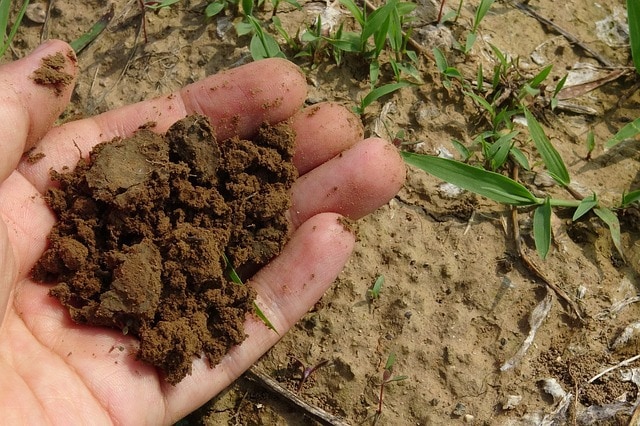
When people talk about endangered animals, they often think about pandas, whales, or polar bears. These animals are famous and easy to see. However, there is another group of living things that is in serious danger, and most people do not even notice them.
These are soil-dependent species. They live in the ground beneath our feet.
A new study shows that this problem is very serious. About one in five soil-dependent species is now threatened with extinction. This means many of them could disappear forever. These species include small animals, plants, and fungi. Even though they are small, they play a very big role in nature.
So, why don’t we spend some little time to visit those tiny nature attendances?
We Don’t Know Enough
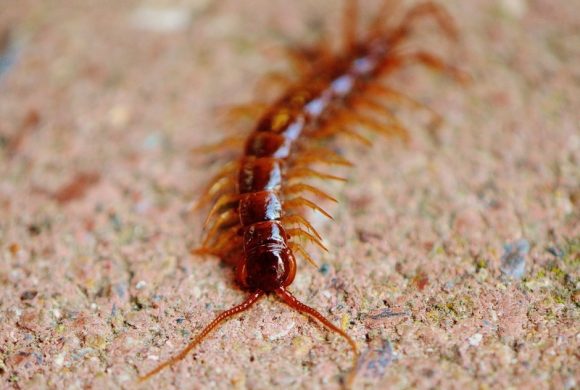
Scientists say we do not know enough about them yet. Many species are still not studied well. This makes the situation even more worrying. If we lose them, the impact will not only affect nature but also human life.
Soil-dependent species are living things that spend most or all of their life in the soil. These include insects, worms, fungi, and some plants. According to the study, about 59% of known species live in the soil. This is more than half of all species on Earth.
The research looked at 8,653 soil-dependent species. From this number, 1,758 species are already threatened. Another 1,722 species do not have enough data, so scientists are not sure about their condition. Also, 35 species are believed to be already extinct.
This shows how serious the problem is. Many of these species are not even recorded in major conservation lists. Neil Cox, the lead author of the study, said: “It’s a big, glaring hole in what we know about the world’s biodiversity conservation status.”
This means scientists are still missing a lot of information. Without proper data, it is very hard to protect these species. Many of them may disappear before we even understand them.
The Amazing “Underground Internet”

One of the most interesting things about soil creatures is the hidden communication system under the ground. Scientists often call it the “underground internet.” This system is mostly created by fungi, tiny organisms that live in the soil and connect with plant roots.
These fungi grow very thin threads under the ground. The threads connect one plant to another, almost like cables connecting computers to the internet. Through this underground network, plants can share water, nutrients, and important information.
For example, if insects attack one plant, the plant can send warning signals through the fungal network. Nearby plants receive the message and start protecting themselves by producing natural chemicals against insects. This means plants can “communicate” with each other even though they cannot move or speak.
The underground network also helps weak plants survive. Bigger and healthier plants sometimes send nutrients to smaller plants through the fungi. In forests, this system helps keep the whole ecosystem balanced and healthy.
Soil fungi are also important because they help plants absorb nutrients from the soil more easily. Without fungi, many plants would struggle to grow properly. Farmers and scientists now understand that healthy soil is not just dirt — it is actually a living world full of cooperation and activity.
Sadly, pollution, pesticides, and heavy farming can damage these underground fungal networks. When the fungi disappear, plants lose an important support system. This can make soil weaker and reduce crop production.
Even though humans rarely see this hidden world, it plays a huge role in nature. The underground internet shows that tiny soil organisms are much smarter and more important than many people realize.
Why Soil Species Are Very Important
Soil-dependent species may be small, but they do very important work. They help keep the environment healthy. One of their main roles is decomposition. This is the process of breaking down dead plants and animals.
When this process happens, nutrients go back into the soil. These nutrients help plants grow again. Neil Cox explained this clearly. He said: “When both plant and animal matter are decomposed, it’s the soil fauna and fungi that are undertaking those processes.”
Without this process, soil becomes poor and plants cannot grow well. This can affect farming and food production. Soil species also help with carbon storage. Healthy soil can store large amounts of carbon. This helps reduce climate change.
Scientists say that soil can store up to 27% of the carbon needed to keep global warming below 2°C. This shows how important soil is for the planet.
Soil species also help improve soil structure. This allows water to move better and reduces flooding. All these roles show that soil life supports both nature and human life.
What We Can (and Cannot) Do

Soil-dependent species face many threats. One of the biggest threats is intensive agriculture. Farmers often use large amounts of chemicals such as fertilizers and pesticides. These chemicals can damage soil life.
When soil biodiversity decreases, farmers may need to use even more chemicals. This creates a bad cycle. Neil Cox explained this problem. He said: “Overuse of those chemicals reduces the actual functioning value of the biodiversity in the soil.”
This means the soil becomes weaker over time. It also affects water quality because chemicals can flow into rivers and lakes.
Another problem is lack of awareness. Many people do not know how important soil species are. Because of this, they are often ignored in conservation plans.
The study suggests some solutions. First, there is a need to create a global soil task force. This group can focus on protecting soil biodiversity. Second, scientists and farmers need to work together. Many farmers already understand that healthy soil is important for good crops.
Finally, education is very important. People need to learn more about soil life and why it matters. Governments should also use scientific data to make better policies.
If action is not taken soon, many soil species may disappear. This will affect ecosystems, food production, and climate stability. Protecting soil biodiversity is not just about saving small creatures. It is about protecting the future of our planet.
Sources:
Leave a Reply